Garage Doors in York Height, OntarioOpen on time.Every morning.
A business in York Height cannot serve customers behind a door that will not lift. We keep shop doors, loading bays and service bays moving with the operators, springs and safety edges they need, schedule the work around your trading hours, and set up a maintenance routine so surprises become rare.
A business in York Height cannot serve customers behind a door that will not lift. We keep shop doors, loading bays and service bays moving with the operators, springs and safety edges they need, schedule the work around your trading hours, and set up a maintenance routine so surprises become rare.
Safe for everyone who walks under it.
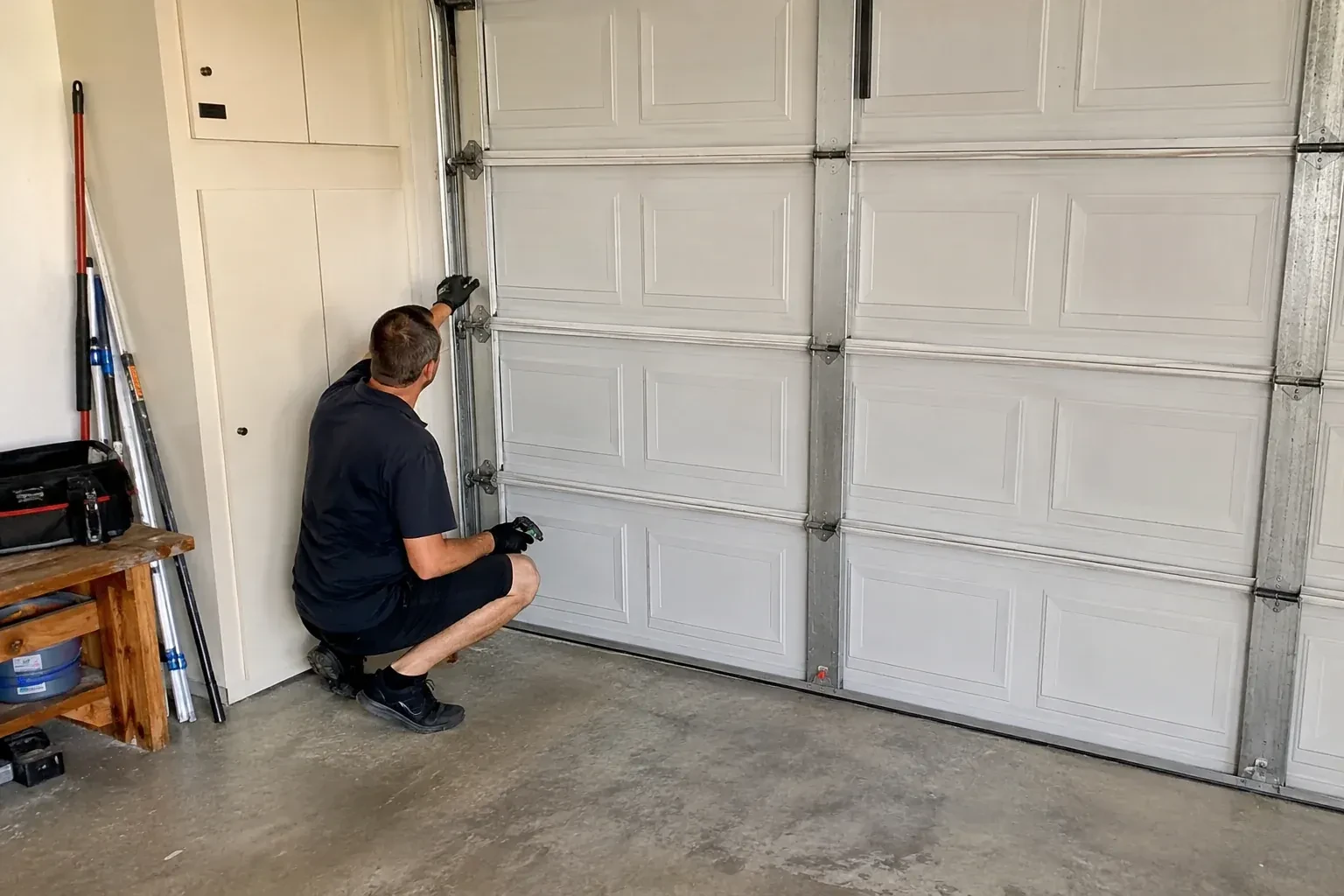
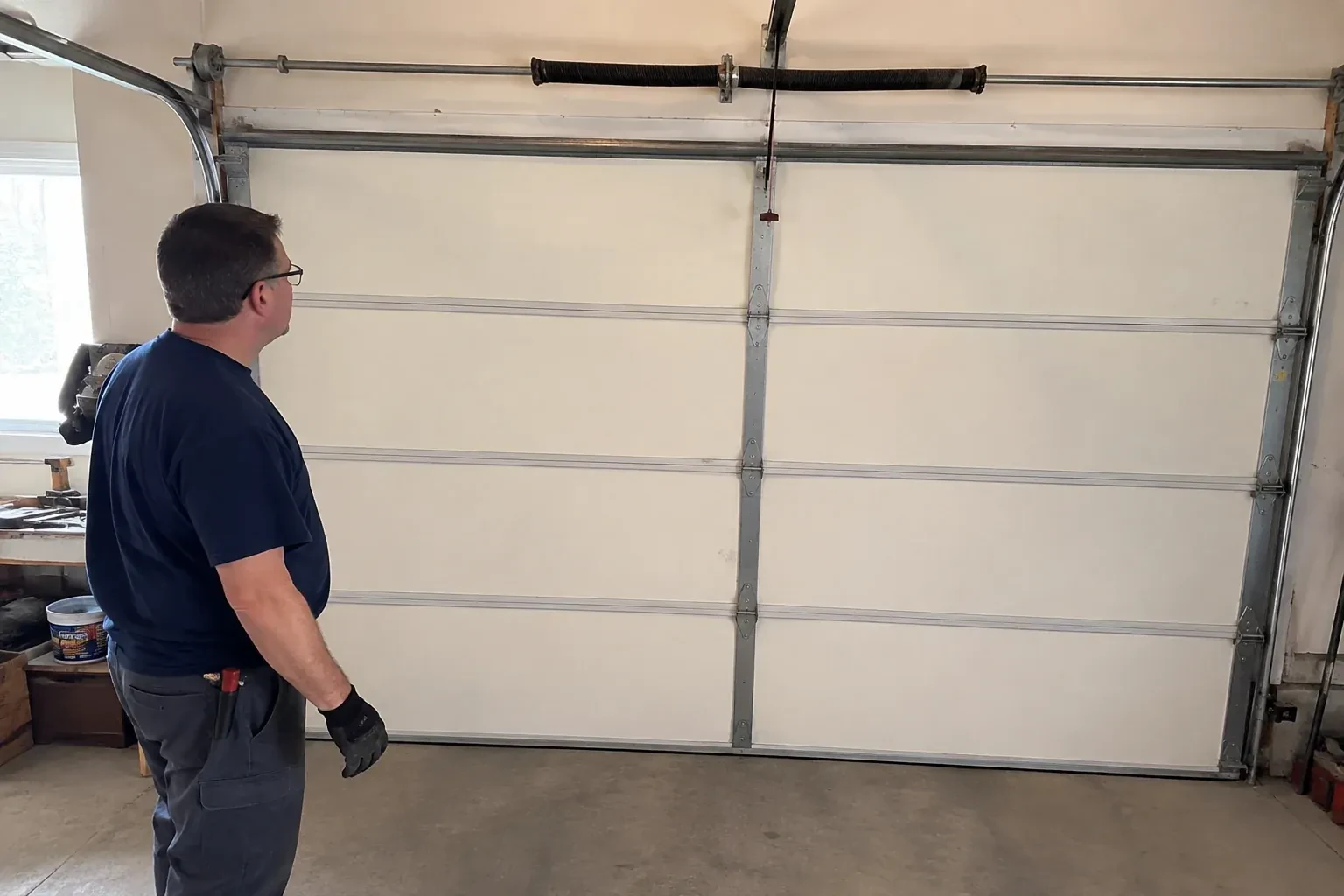
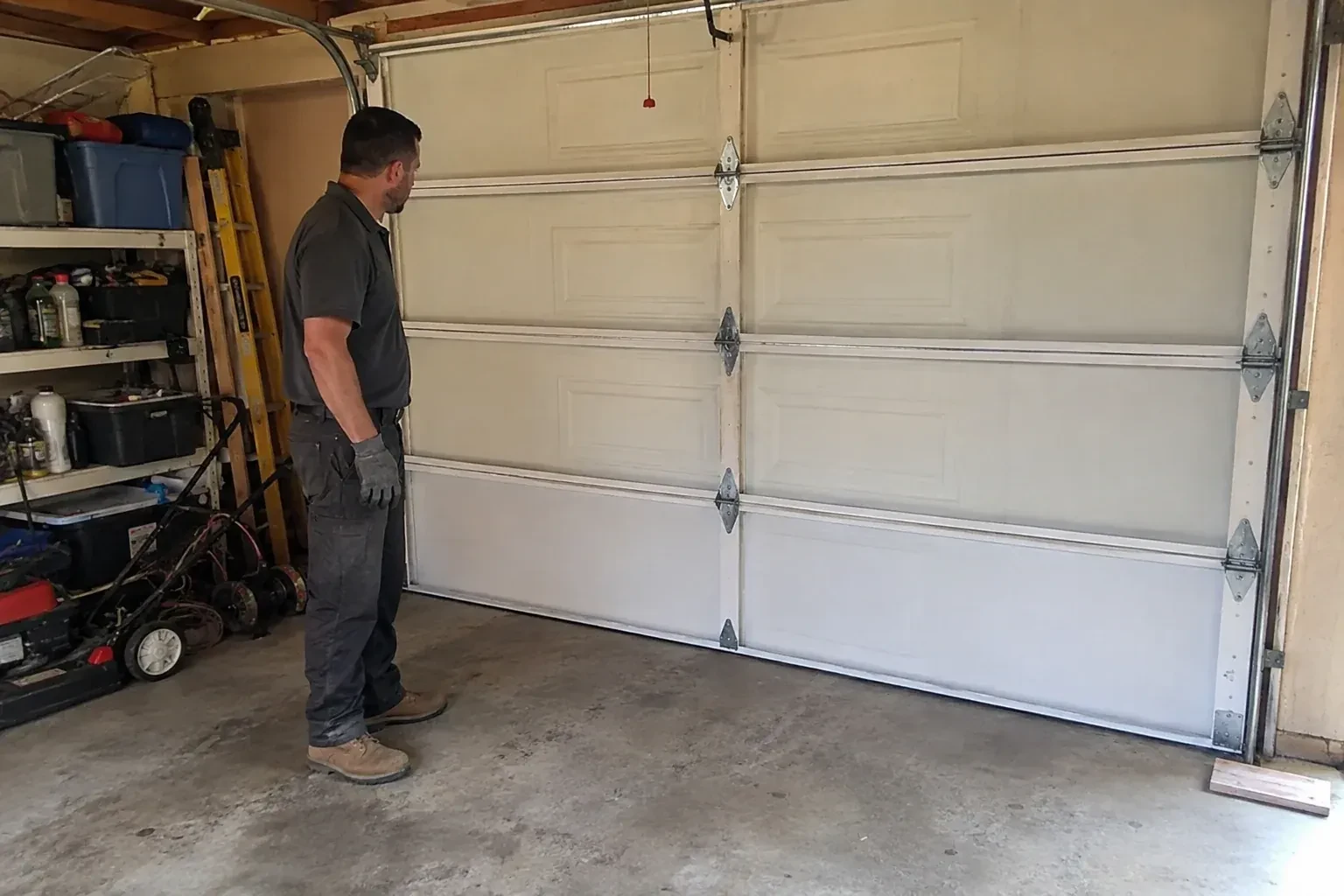
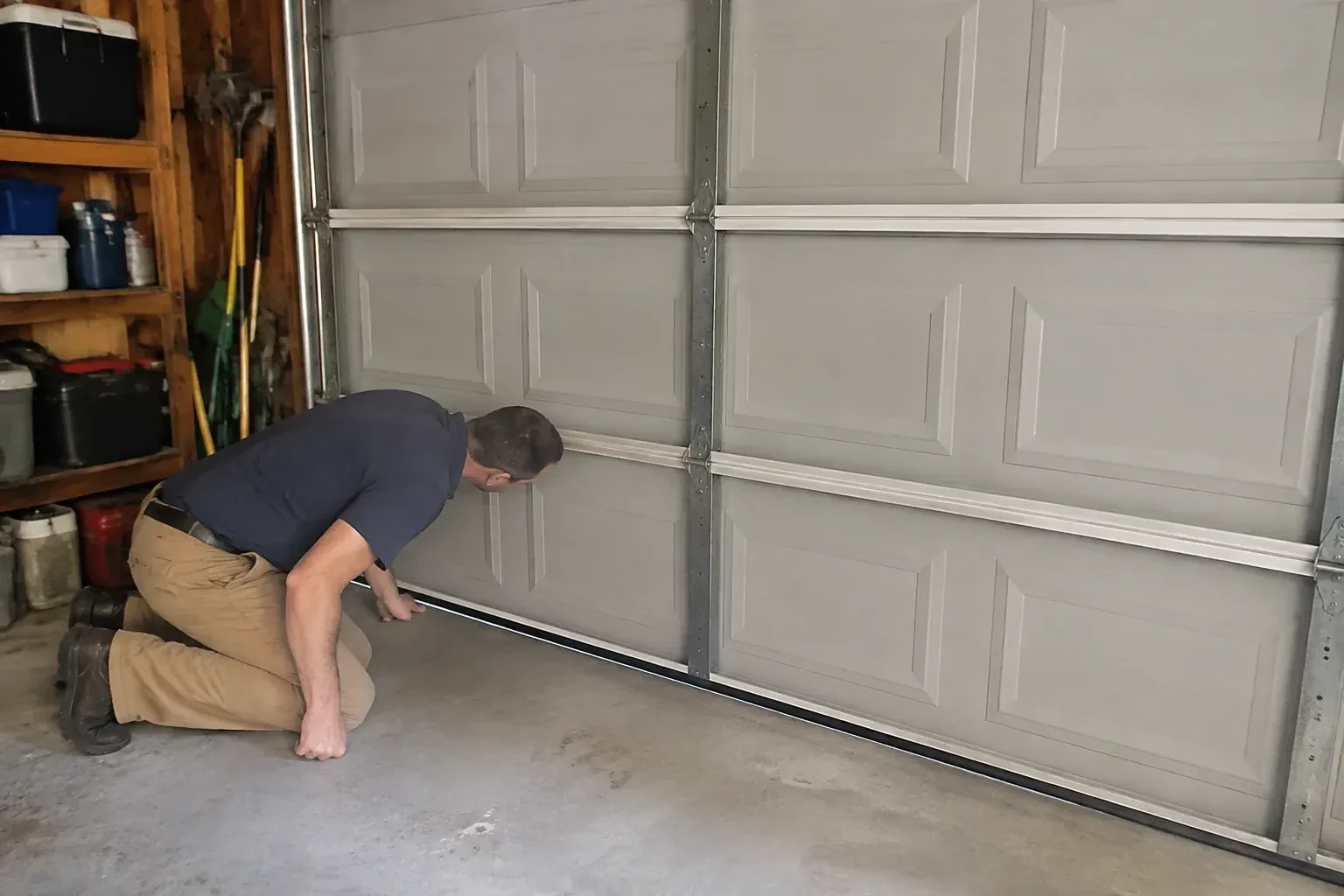
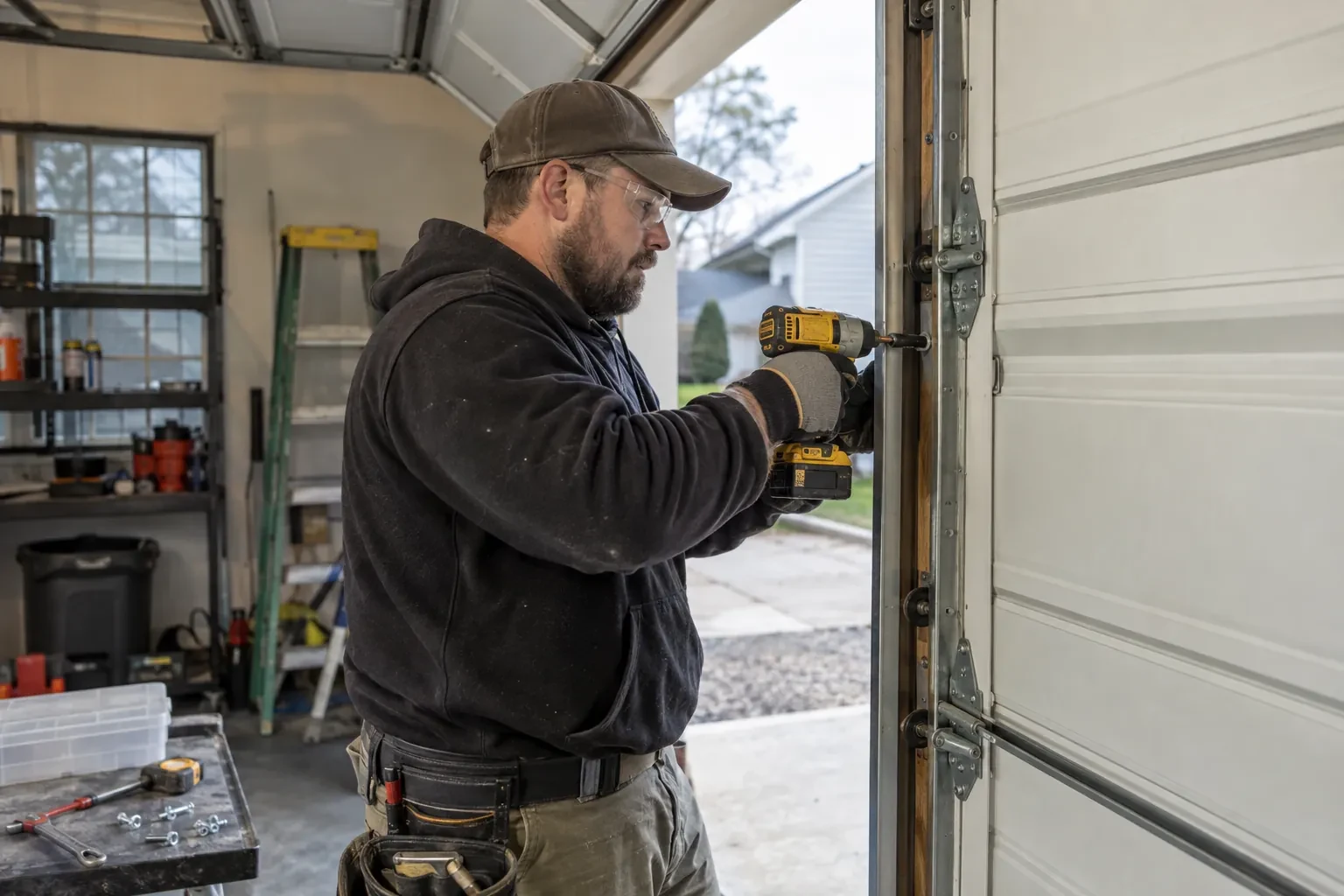
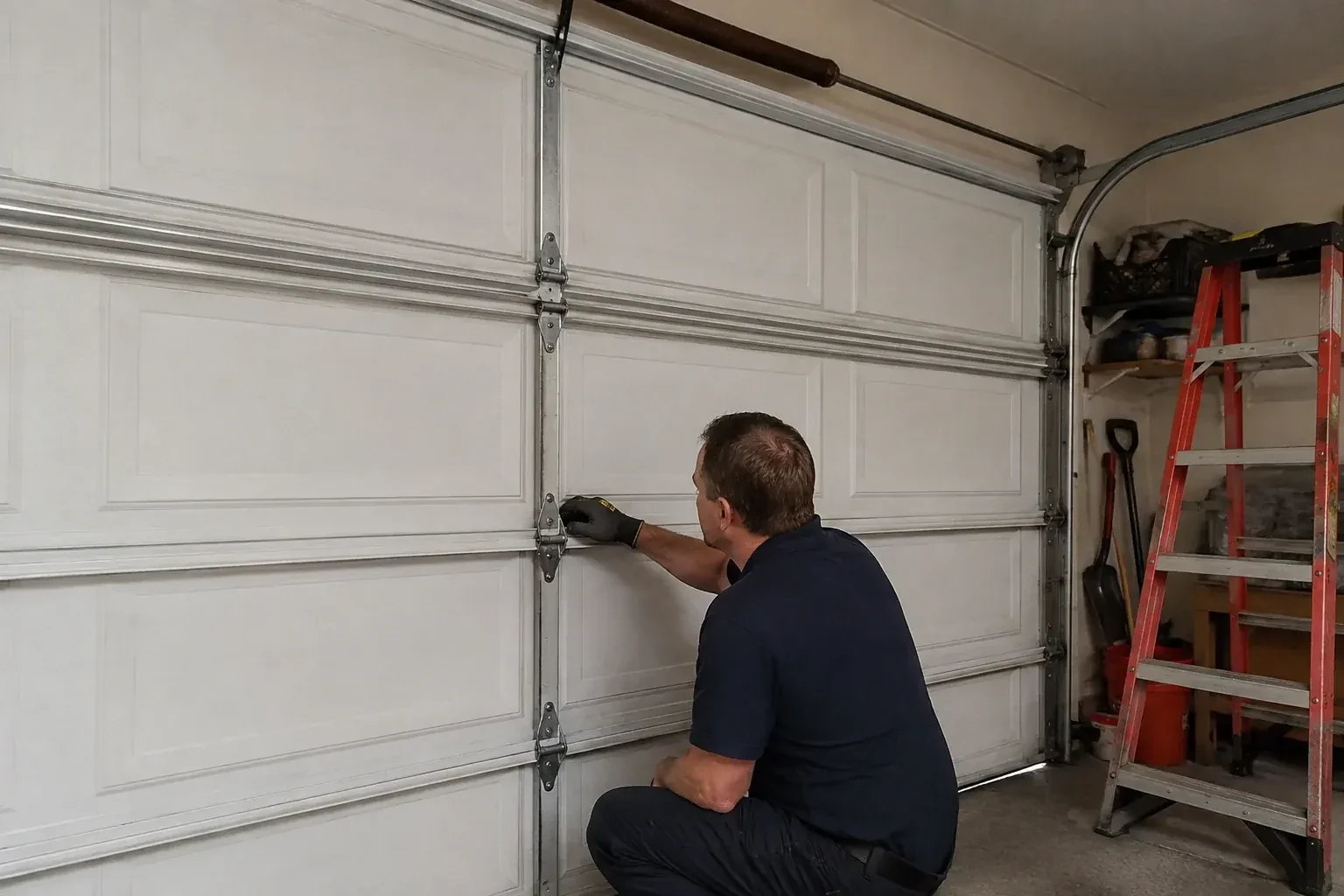
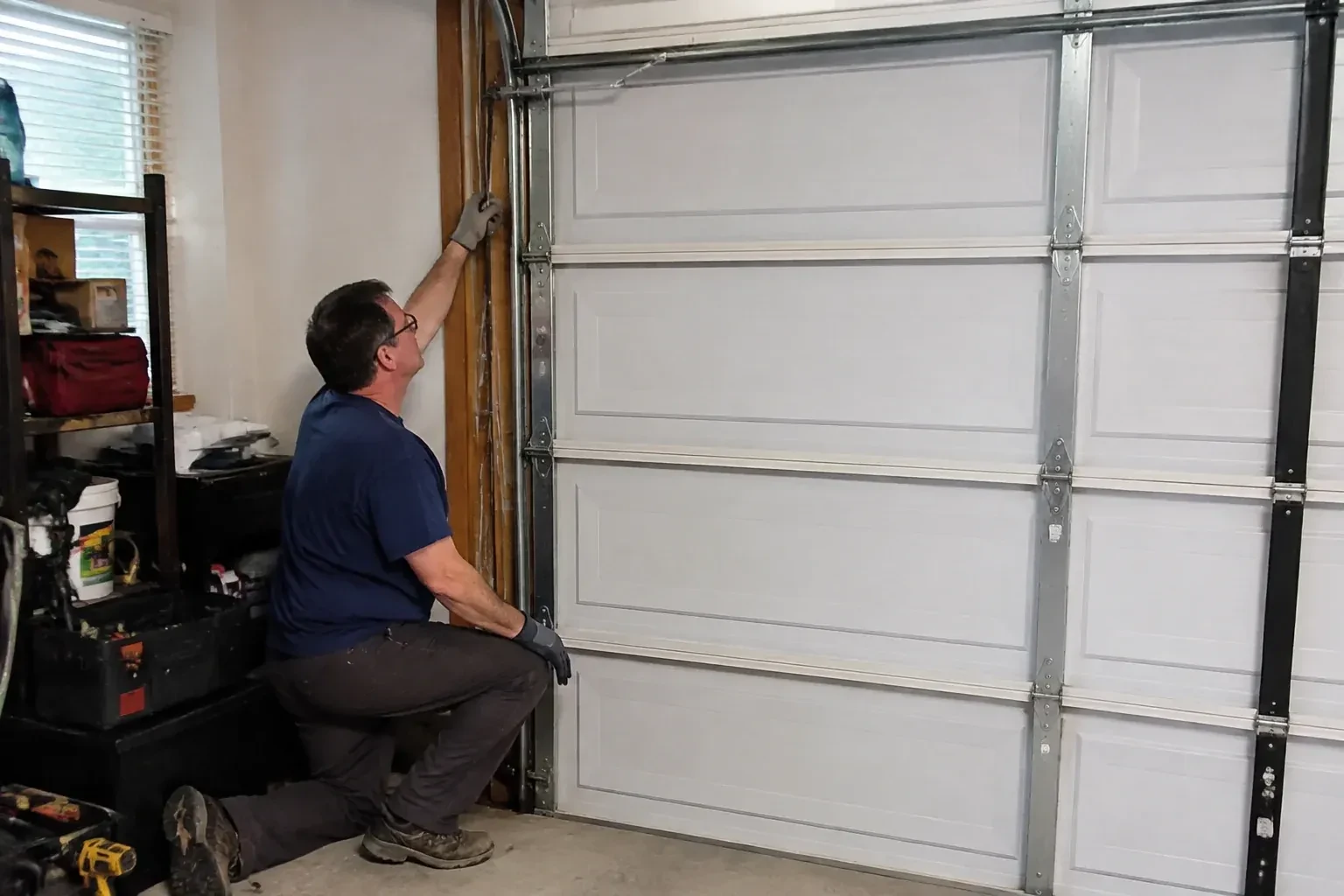
The visit in York Height starts with the door secured and a walk around every part of it. The technician then shows you the worn part, the sound one beside it and the choice between them. Nothing is replaced for the sake of it, and nothing that is close to failing is quietly left out.
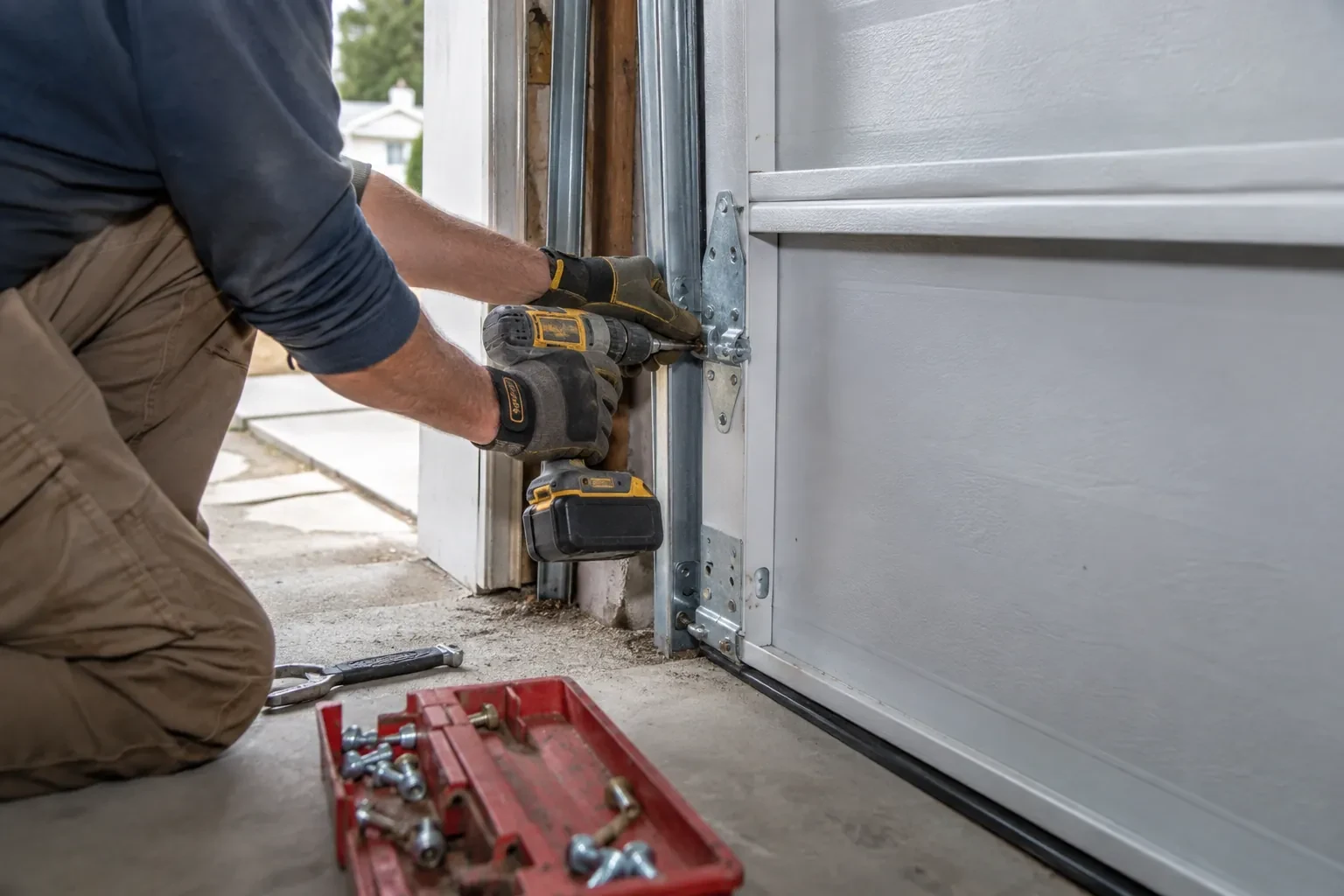
We service garage doors across York Height for households, small businesses and rental properties. Common calls include snapped torsion springs, cables that have slipped their drums, doors that have jumped the track, openers that hum without lifting and sensors that stop the door from closing. Each gets a full inspection, a clear explanation and a repair done with proper tools.
31years in business
24/7open every day
Told before touched. Nothing is adjusted or replaced until you have heard what we found and agreed with the plan for it.
Neat work, neat exit. New parts fitted cleanly, old ones removed, the floor and door wiped down. The garage is yours again the moment we leave.
Room to choose. We give you the practical picture and step back. Repair now, plan a replacement, or wait and watch: your call.
Arrange a technician for your York Height garage door.
Whether the door on your house in York Height needs a single roller or a whole new opener, the services listed here cover it. Repairs come first, because most doors can be saved; springs, cables and hardware follow; then openers and remotes; and finally new doors for homes and commercial buildings.
About 58% of homes in Toronto were built in 1980 or earlier, according to the 2021 Census.
Older homes
Older garages tend to have lower headroom and narrower single openings, so replacement doors and openers are chosen to fit the space rather than the other way round. Measuring the header, side room and ceiling depth is the first step on every one of these visits.
Single-detached houses make up about 23% of homes in Toronto (2021 Census).
In attached housing, a resident's remote or fob may open both their own door and a shared gate, and lost devices are a real security concern. We clear old codes from the operator, program replacements, and explain to management how to keep the access list current.
Twice this week the door started closing, stopped a metre from the floor and reopened on its own. One of the little sensor lights near the floor blinks instead of glowing steady, and the wall button has to be held to close it.
Someone slid the inside lock across before bed, and in the morning someone else pressed the remote. The opener groaned, the door jumped and shuddered, and now the lock bar is bent, the section is creased and the door hangs crooked at the top.
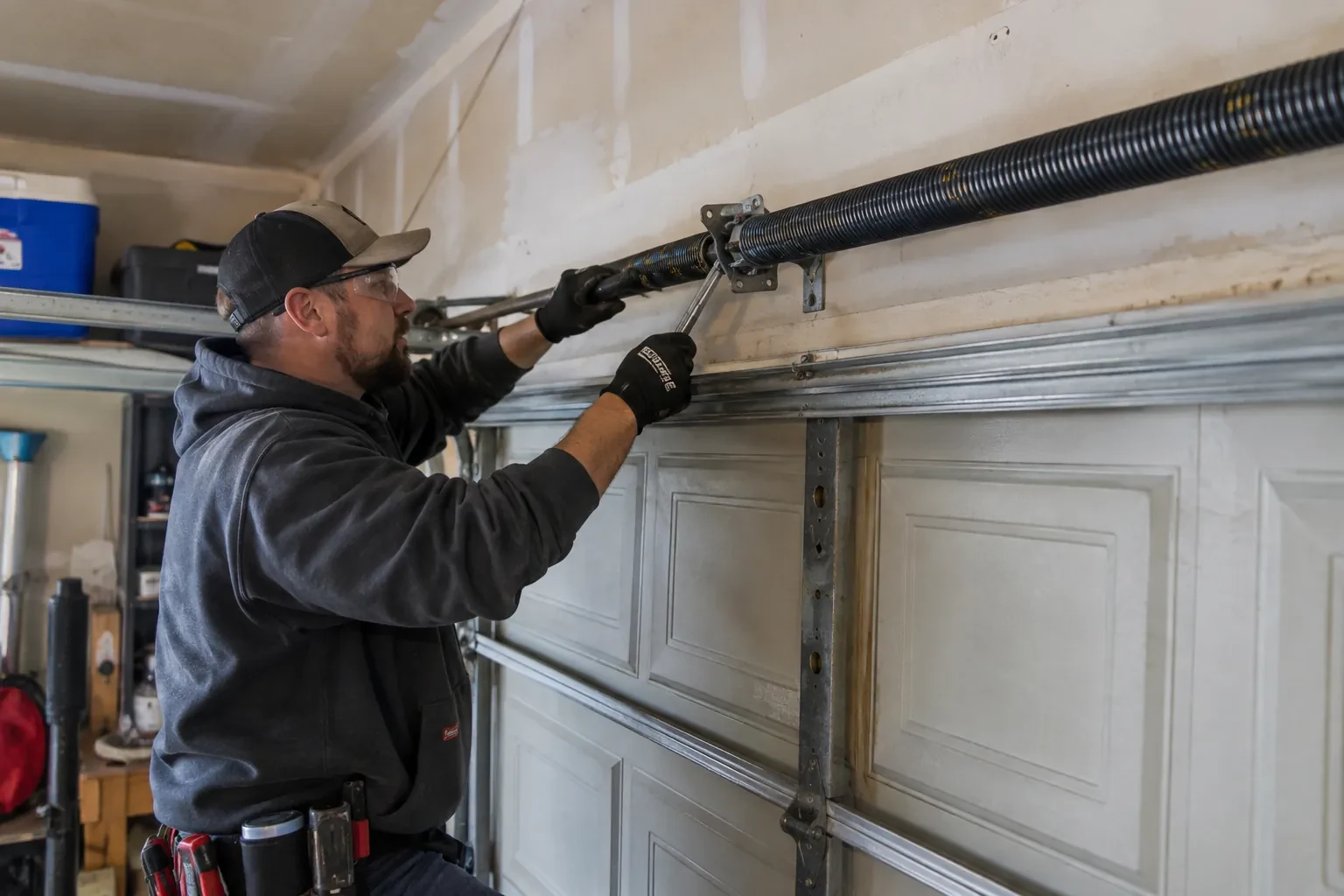
A bang like a dropped toolbox came from the garage last night. This morning one of the long springs beside the track hangs in two pieces, and the door will only rise a few inches before the opener gives up and stops.
Someone replaced the springs a while back and the door has bounced at the top ever since. It slams open against the stops, then creeps down a few inches, and the opener trolley rattles because the door is pushing where it should be resting.
You press the remote from the driveway and hear the motor hum overhead, a steady drone with no movement behind it. The door stays shut. Press again and the hum returns, then quits, as if the machine is trying and cannot get a grip on anything.
After a week of lifting the door by hand you pressed the button, hoping it would catch. Instead the motor grinds, the trolley thumps against the end of the rail, and the little lever that should snap back stays stubbornly upright.
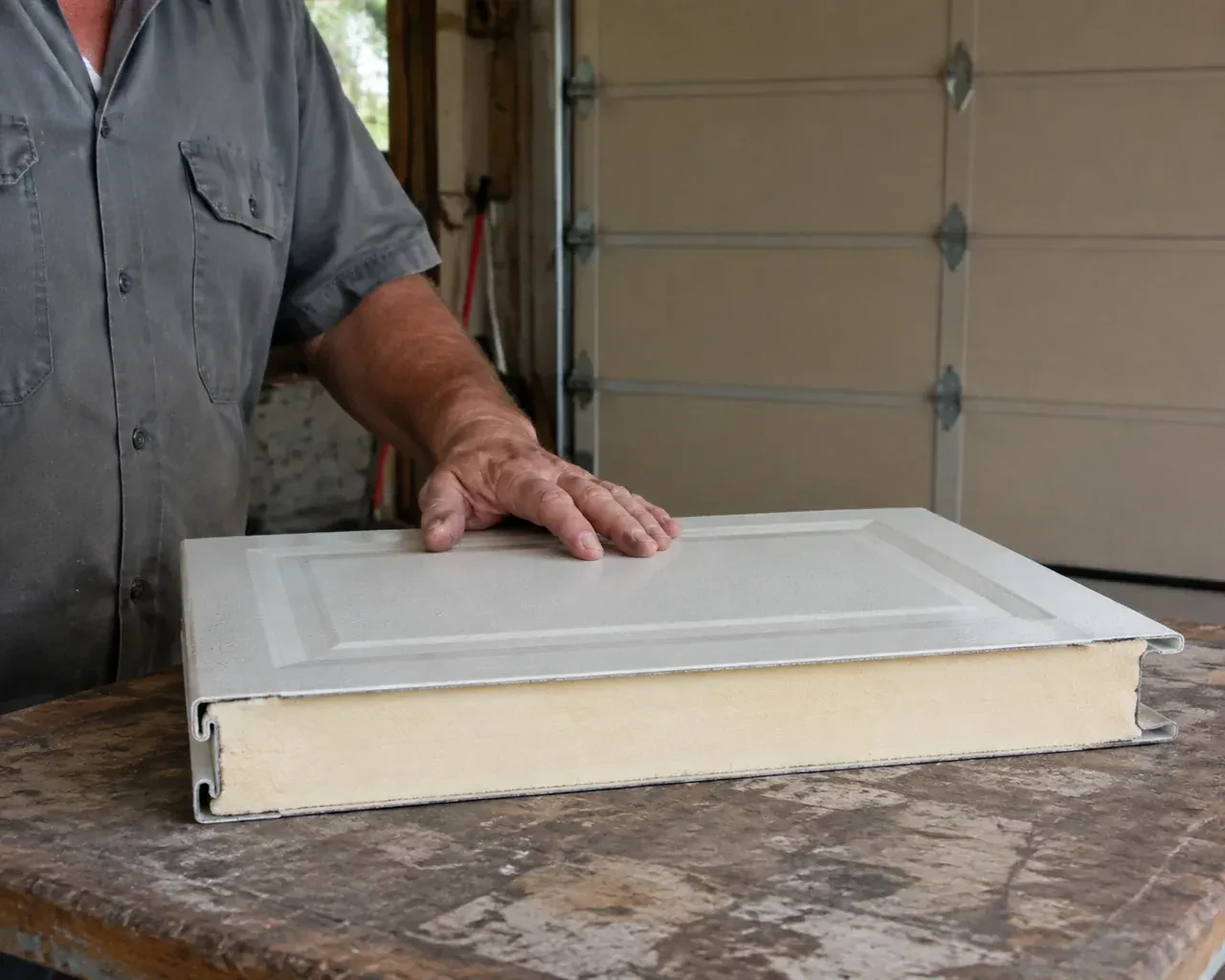
The opener strains as the heavy older door starts upward, and manual movement feels uneven. A new insulated assembly calls for counterbalance hardware matched to its actual weight and a compatibility check for the operator.
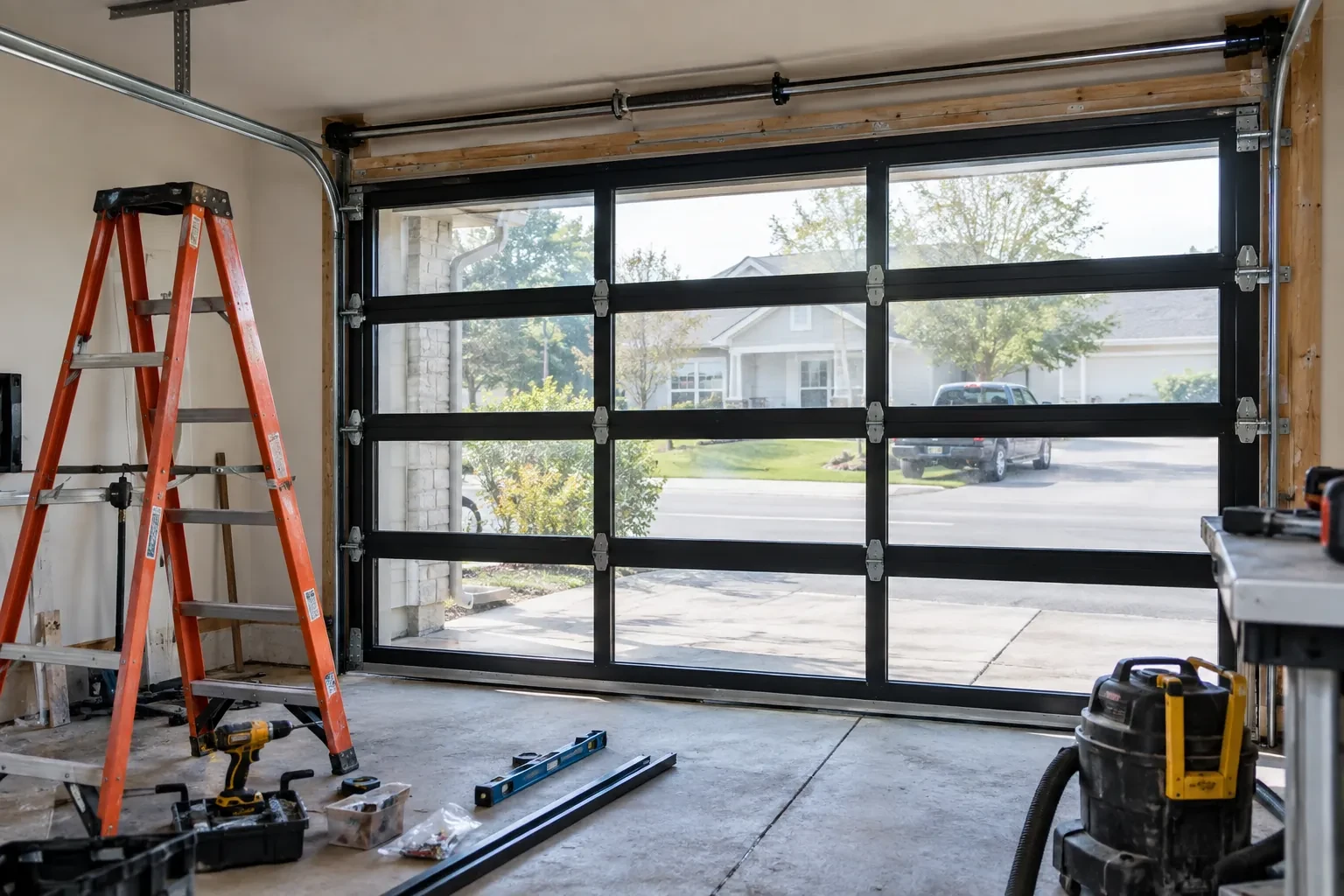
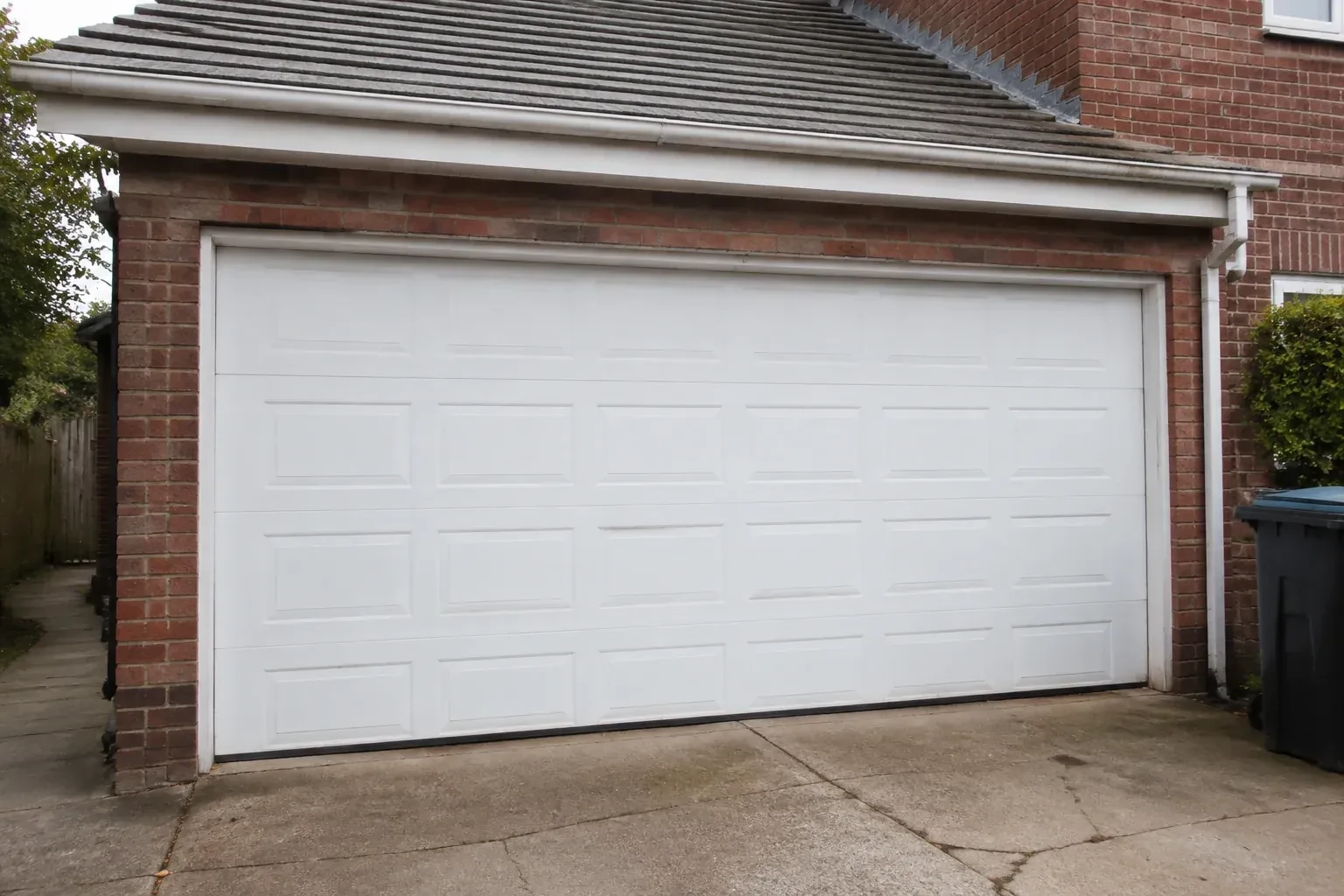
The front elevation calls for a garage door that belongs with the windows, masonry and trim. Panel design, colour, glazing and hardware all need to come together in one working overhead system.
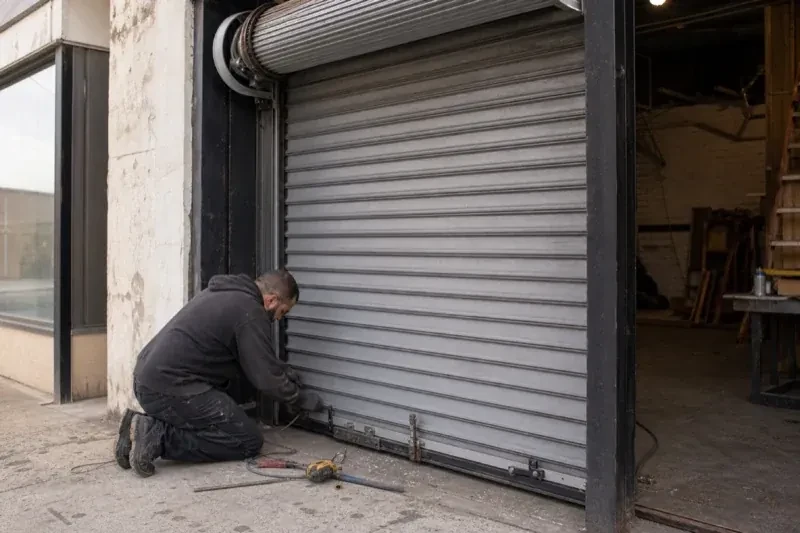
The rolling door starts upward, then one side rises ahead of the other. Its bottom bar sits on an angle, several slats scrape the guide, and the opening is no longer clear enough for normal shipping traffic.
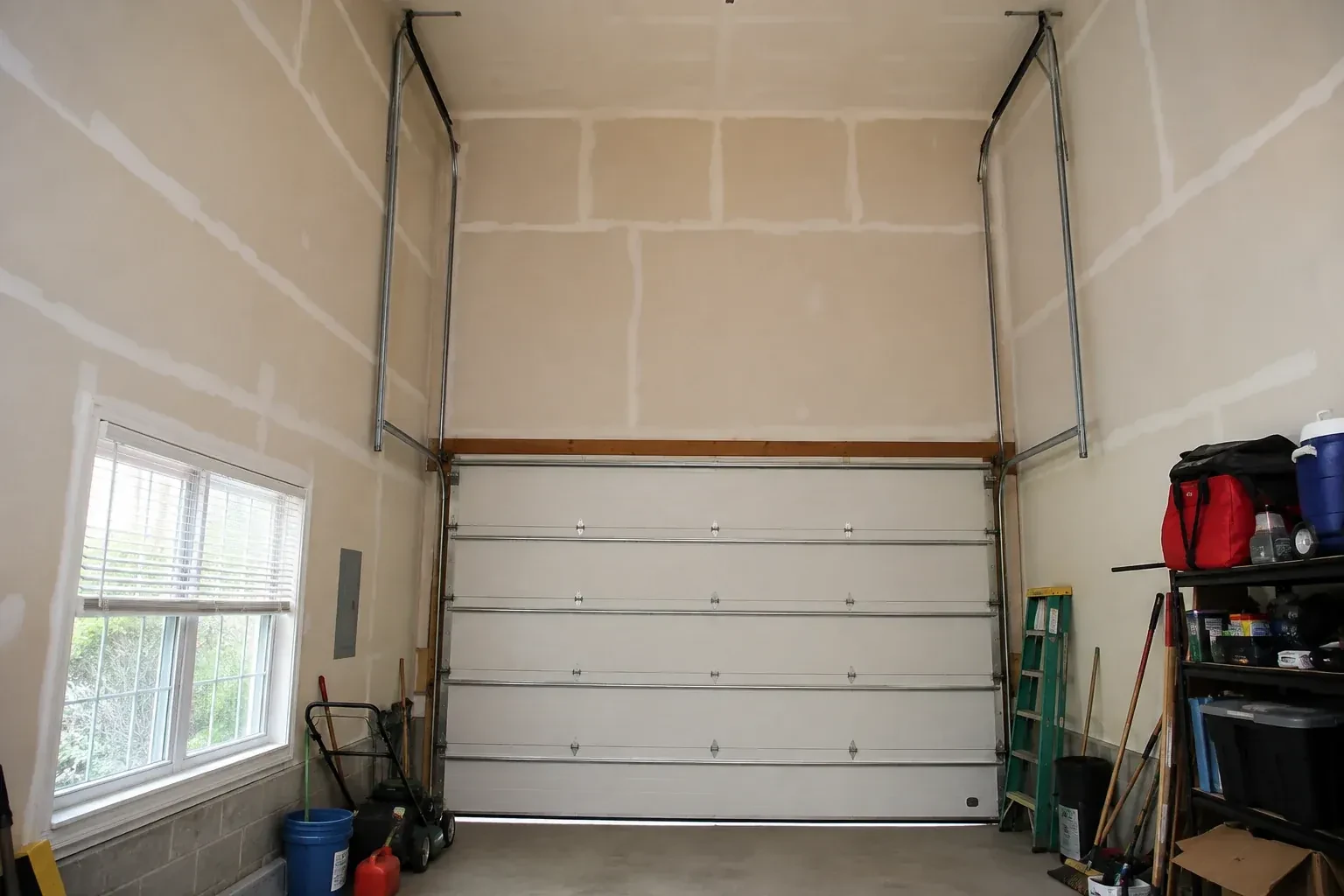
Your new vehicle lift fits the floor plan, but the open garage door crosses the space above it. The ceiling is high enough; the standard track simply turns too soon and leaves the panels hanging over the raised vehicle.
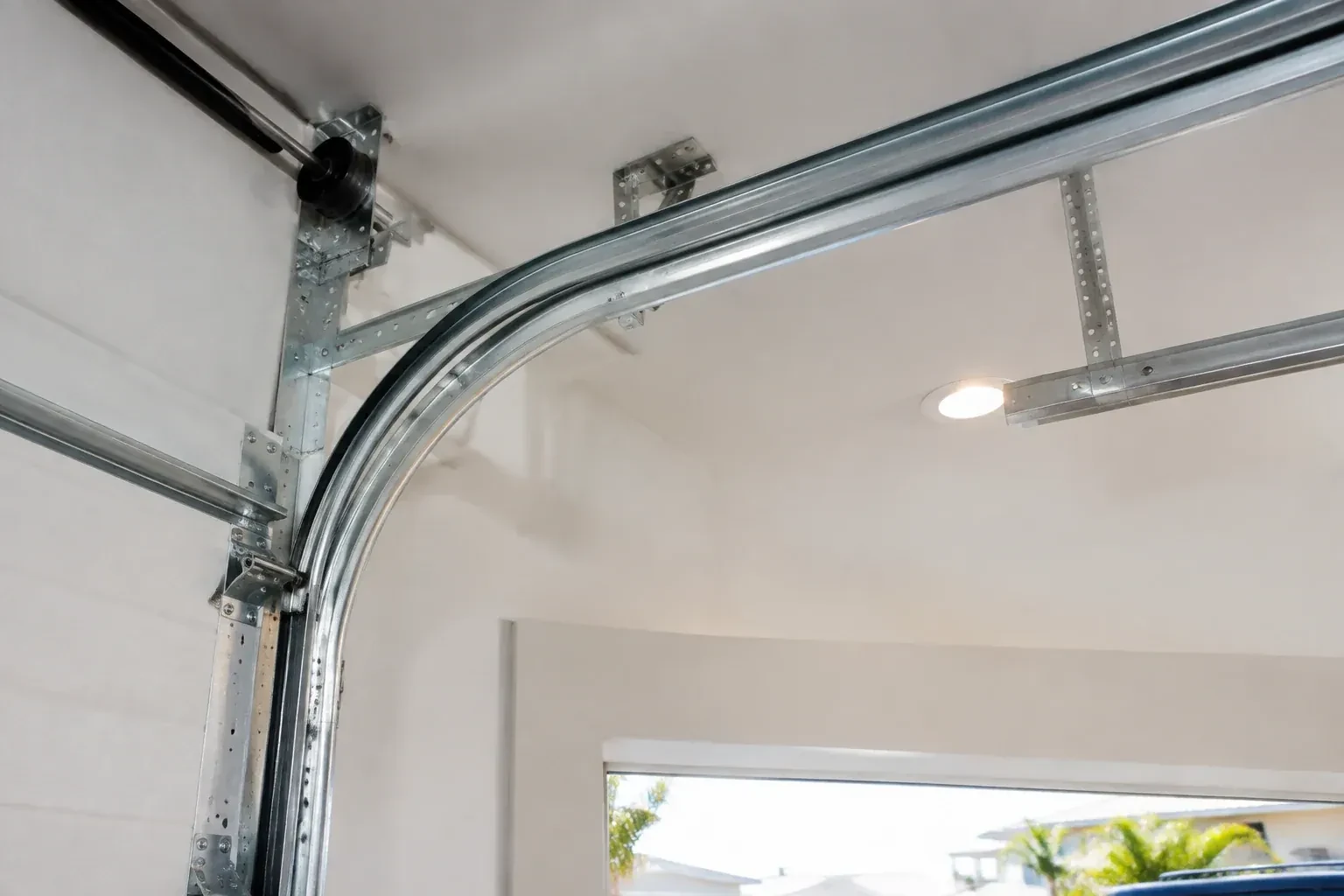
High-lift conversions raise the horizontal track toward the ceiling so the door opens higher, clearing a car lift or a tall truck. It is a change to the track, the drums and the springs, and it needs an opener that suits.
The door goes up perfectly. Coming down is the trouble: partway to the floor it stops, climbs back to the top, and the light on the opener blinks at you.
The door opens about a third of the way and stops. Turning the limit screw on the head has made no difference, and the trolley seems to sit in the wrong place along the rail when the door is fully closed.
It is minus twenty in the detached garage and the door climbs in jerks, the belt stiff as a board. By the afternoon, when the sun has been on the door, it runs almost normally again.
During the ice storm the power was off for two days. You came home in the dark, found the door dead, and had to climb out of the car to pull the red cord in the cold.
Someone backed the car in a little too far, a bin or a bicycle brushed the track, and since then the door starts to close and comes back up. One sensor now sits at a slightly different angle from the other.
A contractor is coming to work in the garage on Thursday while you are away. Handing over a remote means chasing it back afterwards, and the keypad code is the one your whole family uses.
Halfway up, the door lets go of the opener with a clunk and sinks back to the floor while the trolley carries on to the top alone. It has happened three times this month, and each time the release lever is found half-cocked.
Which fix fits?
Twice this week the door started closing, stopped a metre from the floor and reopened on its own.
No. Tracks should be clean and dry. Rollers are meant to roll along the track on their own bearings, and a film of lubricant on the track collects grit, thickens in the cold and makes the rollers slide and drag instead. Wipe the tracks with a rag and put the lubricant where it belongs: on the hinge pins, the roller bearings, the spring coils and the bearing plates at the ends of the torsion shaft.
How do I lock the garage door during a power outage?
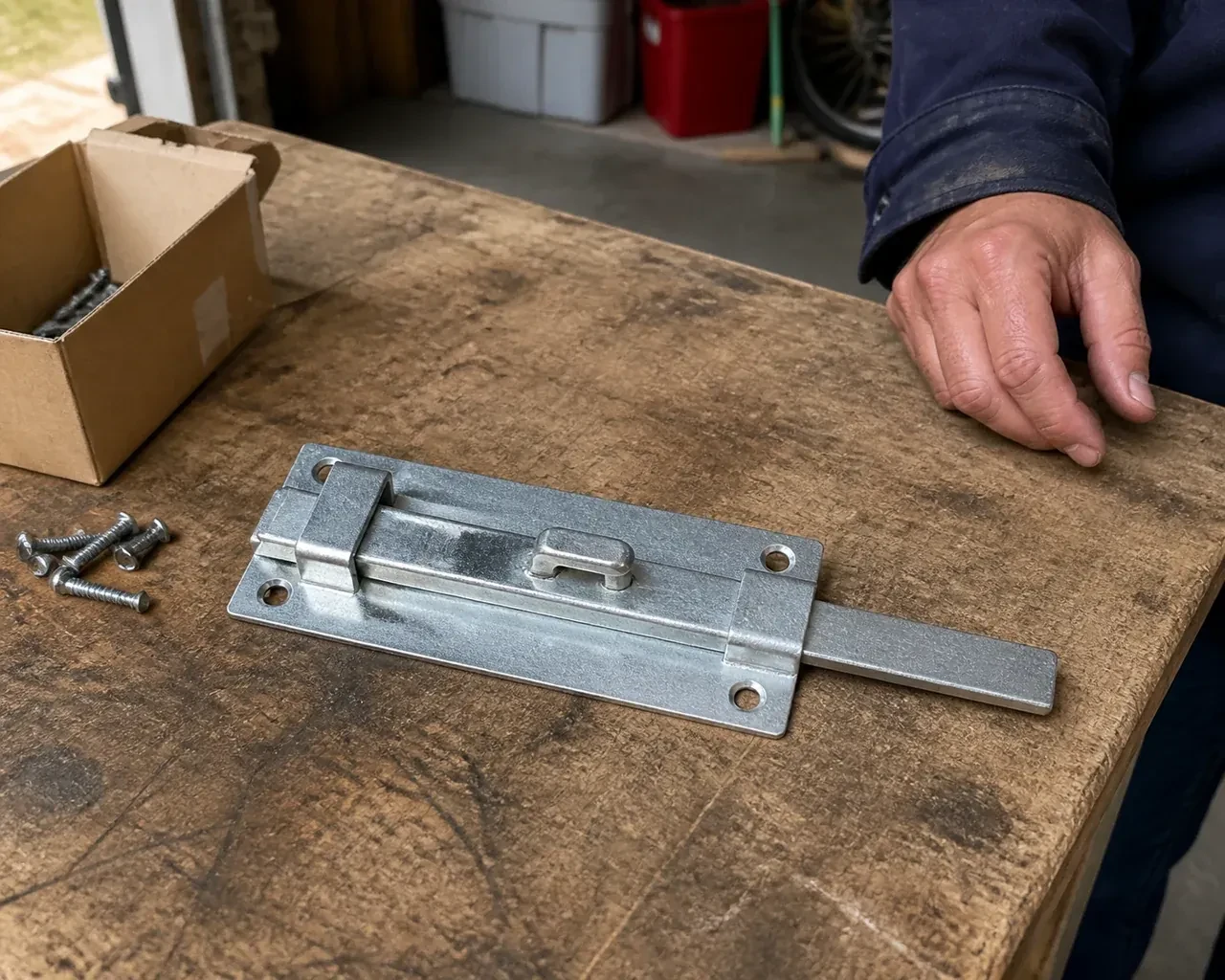
With the door closed, pull the opener's release cord so the trolley lets go of the door, then throw the slide bolt or turn the T-handle to lock. When power returns, unlock first, check both bars are clear of the track, and then re-engage the opener as its manual describes, usually by running it once. Keeping to that order is what protects the lock and the opener.
Do the pulleys need replacing at the same time?
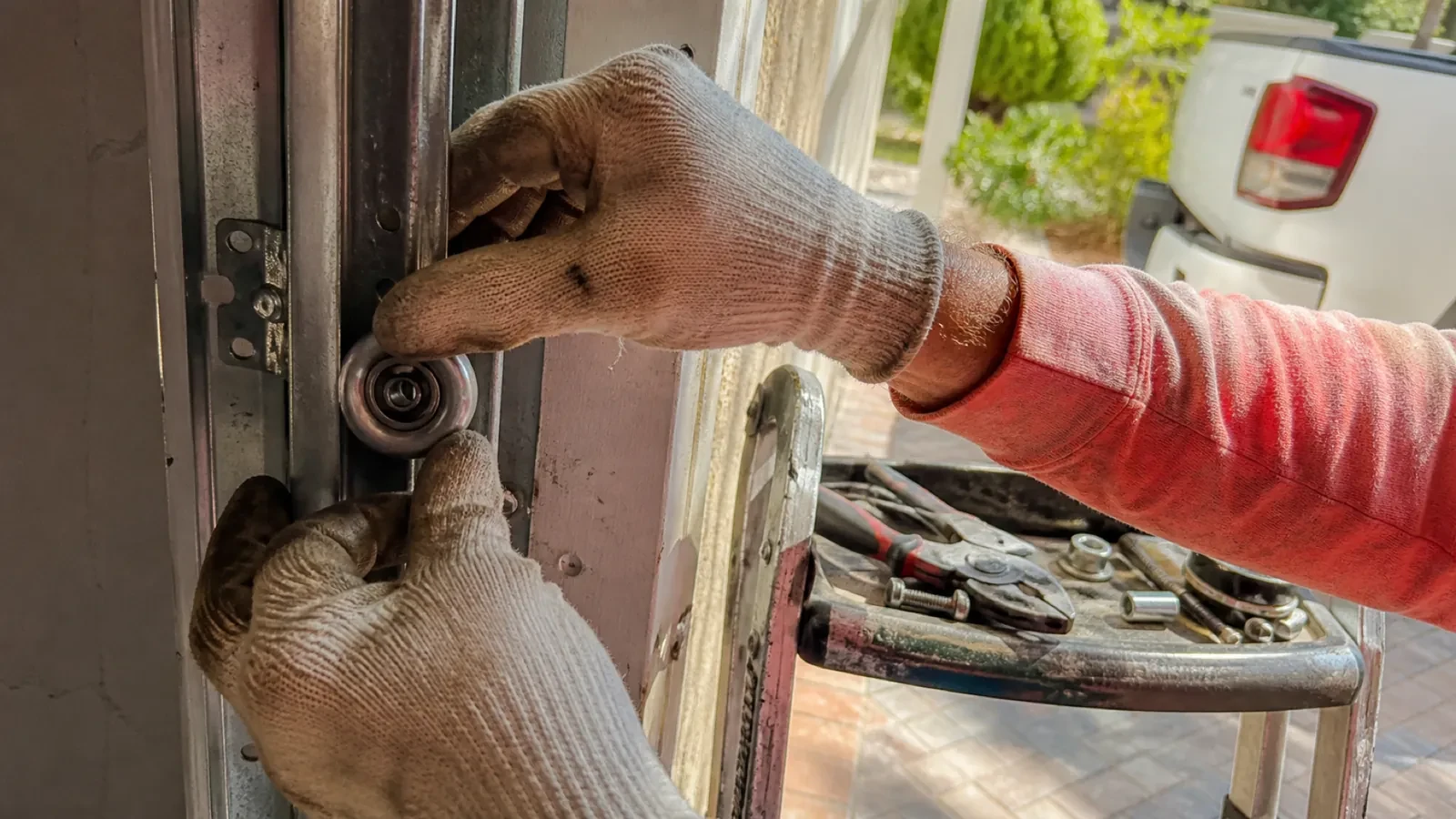
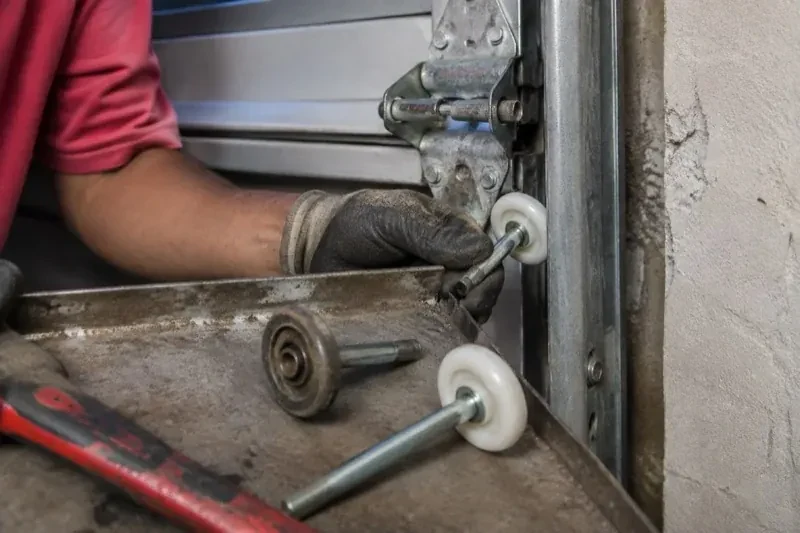
Often, yes. Each side has two pulleys, one on the spring and one fixed at the front of the track, and the cable rides over both on every trip. A pulley whose wheel has worn a sharp groove, or whose bearing has stiffened, drags on the cable and adds load the spring has to overcome, which is a common reason the old spring wore early. Pulleys that spin freely and run true can stay.
What is the difference between balancing a torsion door and an extension-spring door?
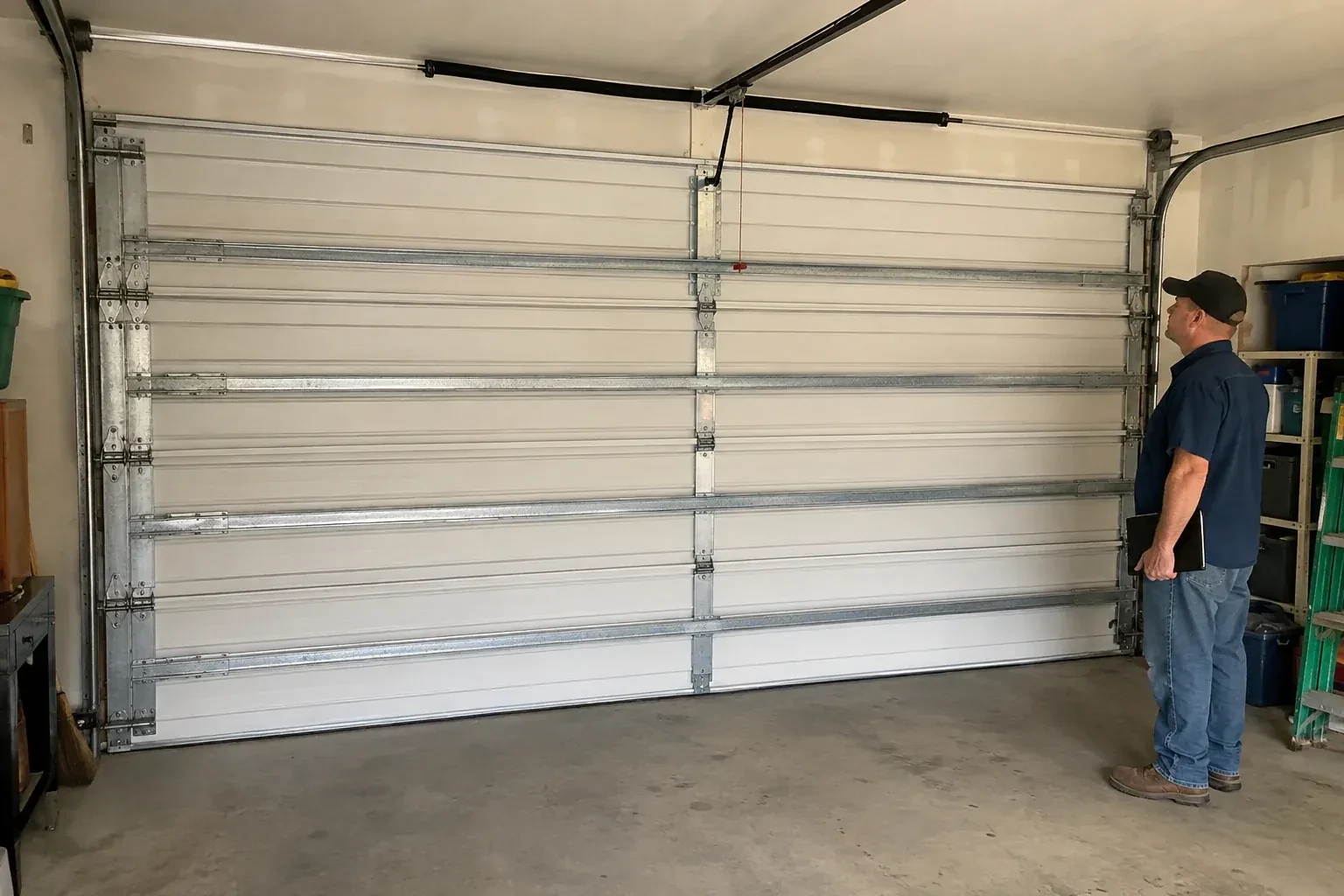
A torsion door has springs on a shaft above the opening, and tension is changed by winding the springs with steel bars, a quarter turn at a time. An extension door has springs along the tracks, and tension is changed by moving the hook or cable clip to a different position with the door open and clamped. The hand test that proves the result is the same for both.
Will the repair happen during the same visit?
When the cause is a common part carried on the truck, yes: capacitors, gear kits, sensor pairs, trolleys, wall controls, remotes and wiring are typical. When the part is specific to an older model and has to be ordered, or when the diagnosis finds a spring or cable problem that needs its own appointment, the door is left safe and the next step is agreed with you before the technician leaves.
The door is stuck shut, the opener is dead and there is no other door. Can you still get in?
Usually. If the door has an outside key release, a small round lock near the top panel, that is what it is for: the key pulls a cable that frees the trolley from outside so the door can be lifted by hand. If there is no such release, the technician has other methods to reach the lever from outside, and once inside the fault is dealt with. Fitting an outside release afterwards is a sensible follow-up for a garage with a single door.
How are gaps around the sides and top sealed?
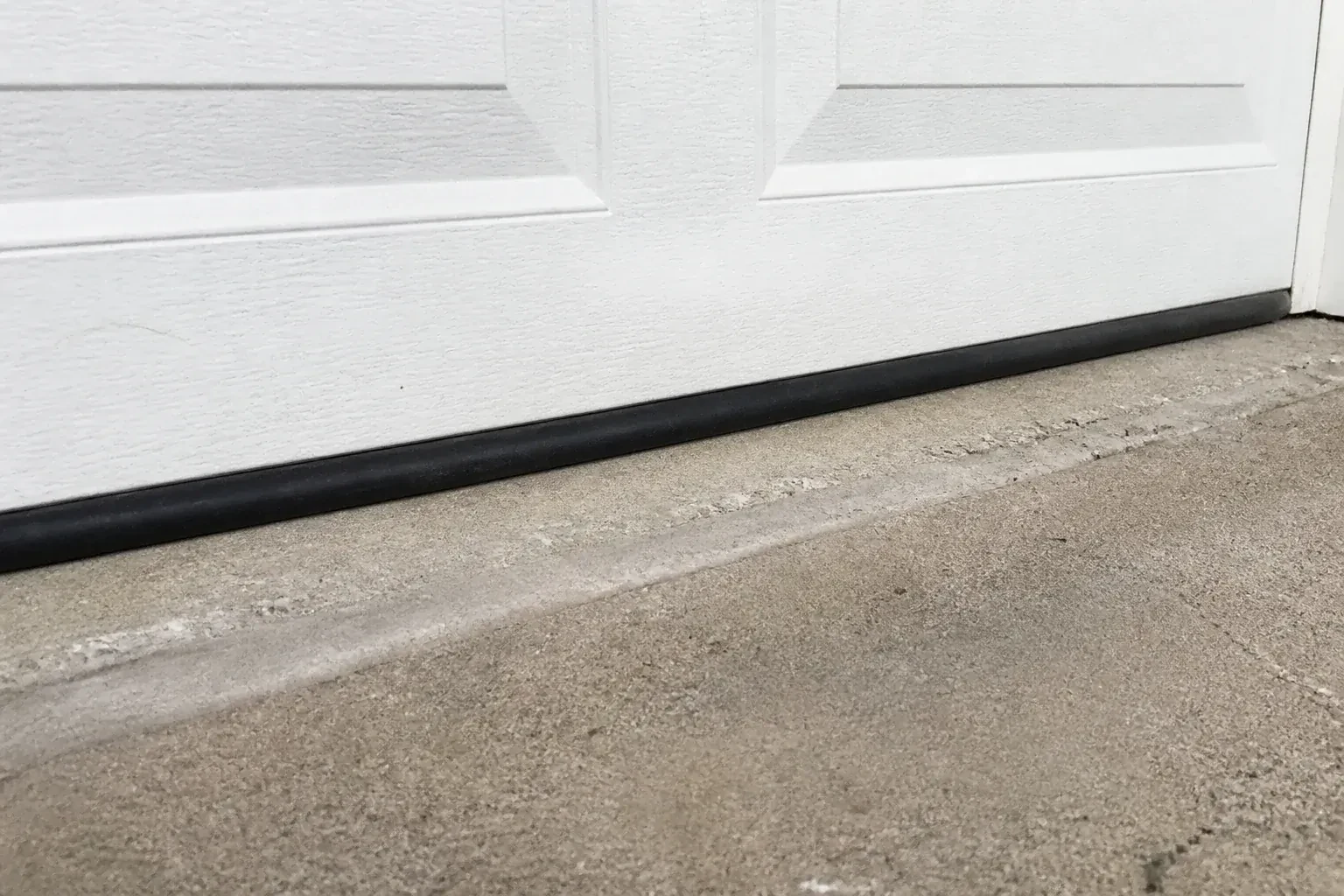
Perimeter weather seals are attached at the jambs and header after the door is aligned in its closed position. Their flexible edge makes light contact with the exterior face of the sections. The installer checks continuity at corners and watches the seal during movement, adjusting it to limit visible gaps while keeping friction away from the door's normal travel.
What regular care does a newly installed door need?
Follow the door and operator manuals for inspection and product-specific lubrication. Owners can keep the opening and sensor path clear, clean the section finish gently and watch visible cables, rollers, hinges and seals for change. Tracks are guides, so adding heavy grease can collect dirt. Any shift in balance, smooth movement or cable condition is useful reason to arrange a professional system assessment.
Why is there a grinding or clattering sound near the hood?
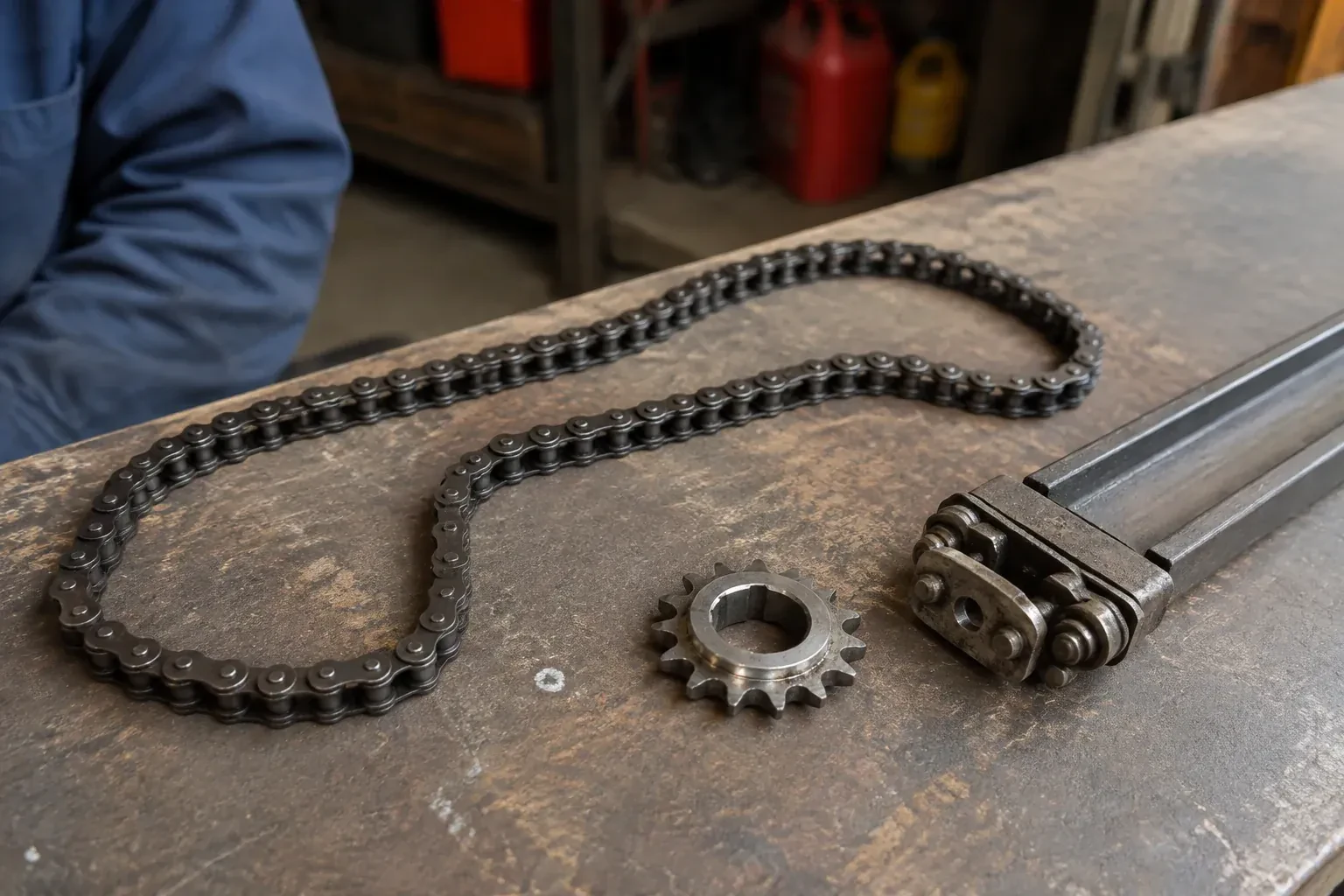
Noise at the head can come from worn barrel bearings, loose brackets, misaligned drive chain or sprockets, shifting slats, an uneven coil or hardware contacting the hood. The pattern matters: once per revolution suggests something different from continuous guide scrape. Controlled observation locates the source before a specific part is selected.
How much ceiling height does the conversion need?
There is no single ceiling figure because the useful dimension depends on the opening height, desired clearance, track transition, shaft and spring space, opener arrangement and nearby obstructions. A technician measures the whole bay and calculates the high-lift rise that fits those boundaries. The result should be expressed as a proposed open-door clearance before the component set is ordered.
Request a visit
The visit in York Height starts with the door secured and a walk around every part of it. The technician then shows you the worn part, the sound one beside it and the choice between them. Nothing is replaced for the sake of it, and nothing that is close to failing is quietly left out.