Garage Doors in Toronto, OntarioA frayed cableis a warning.
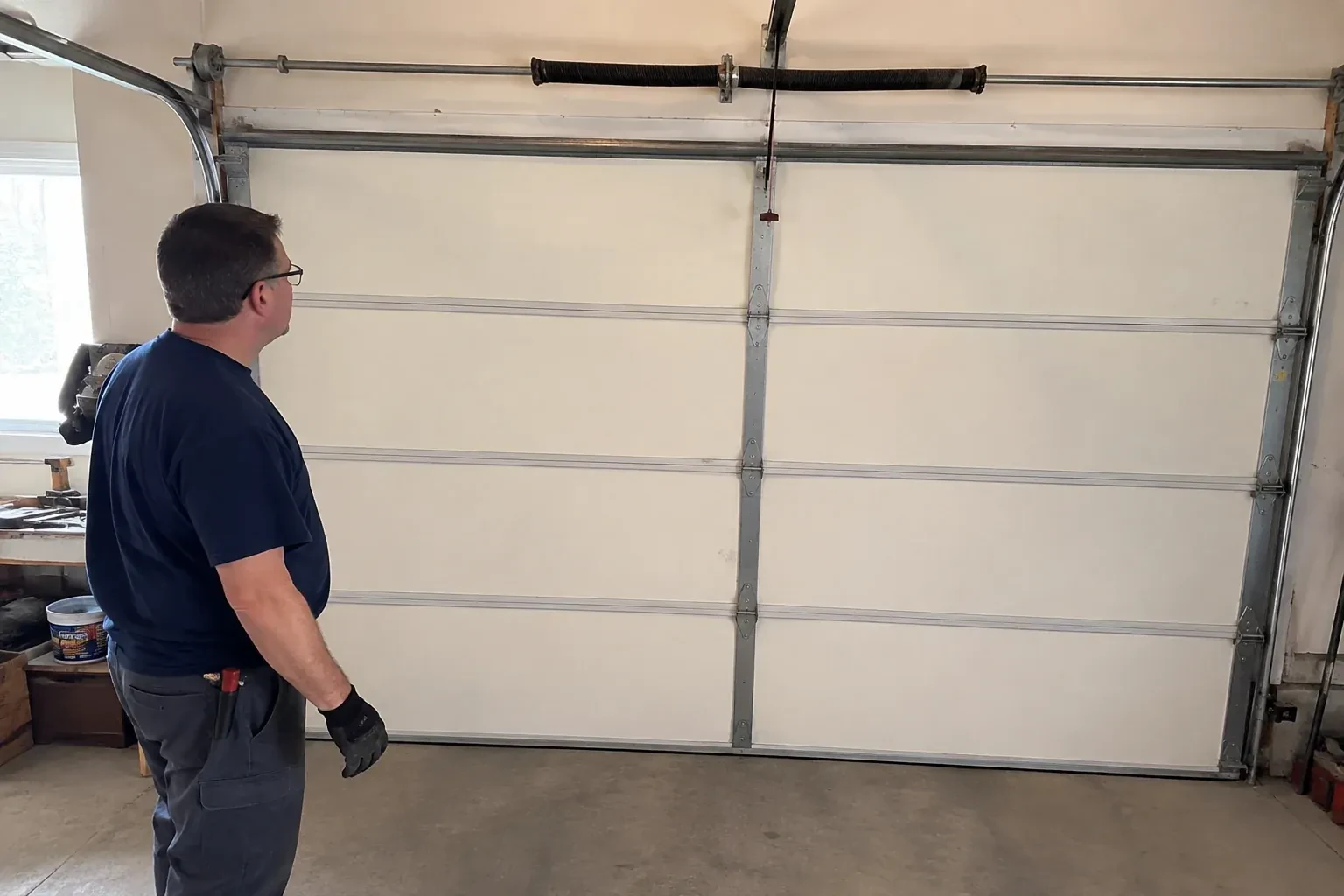
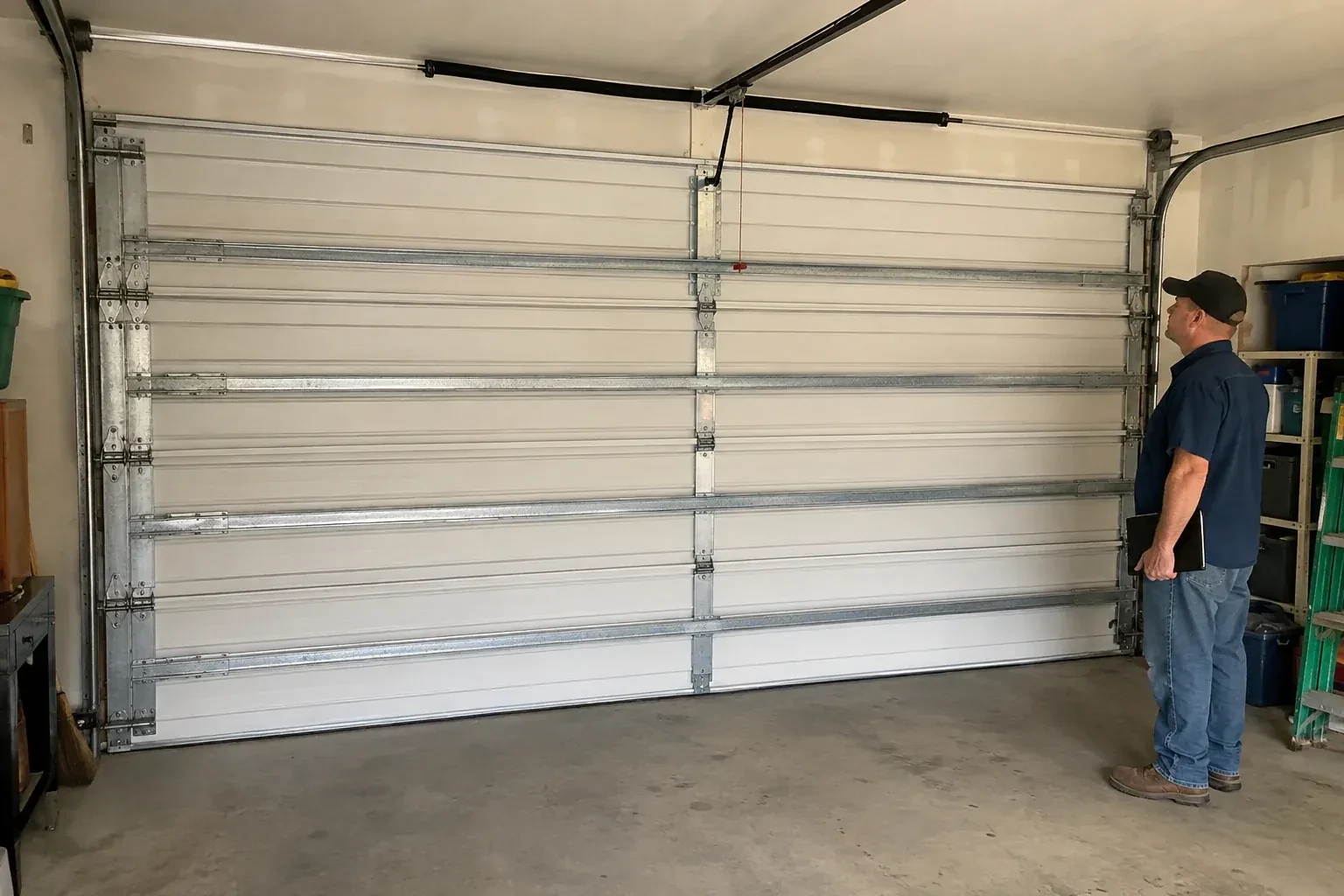
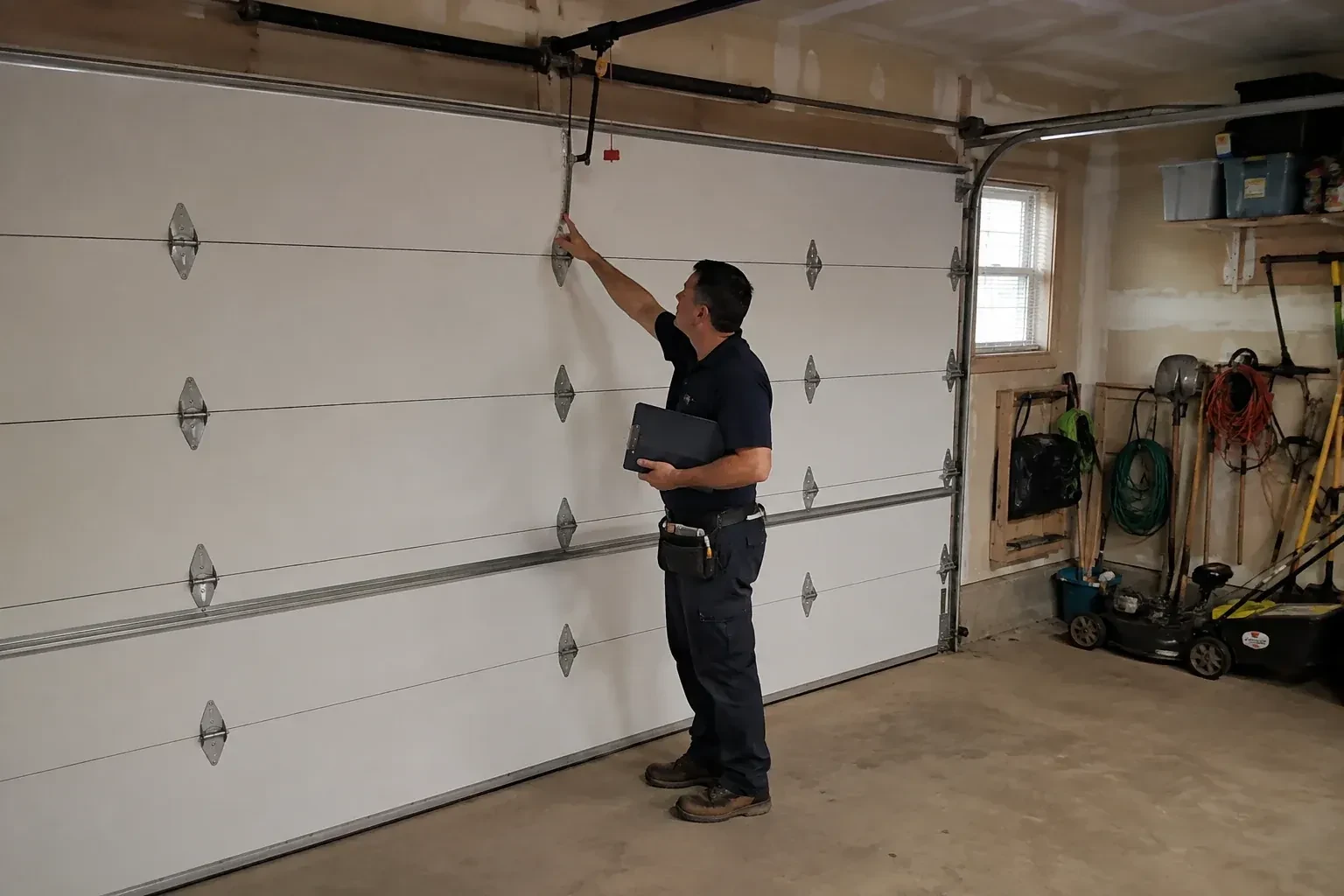
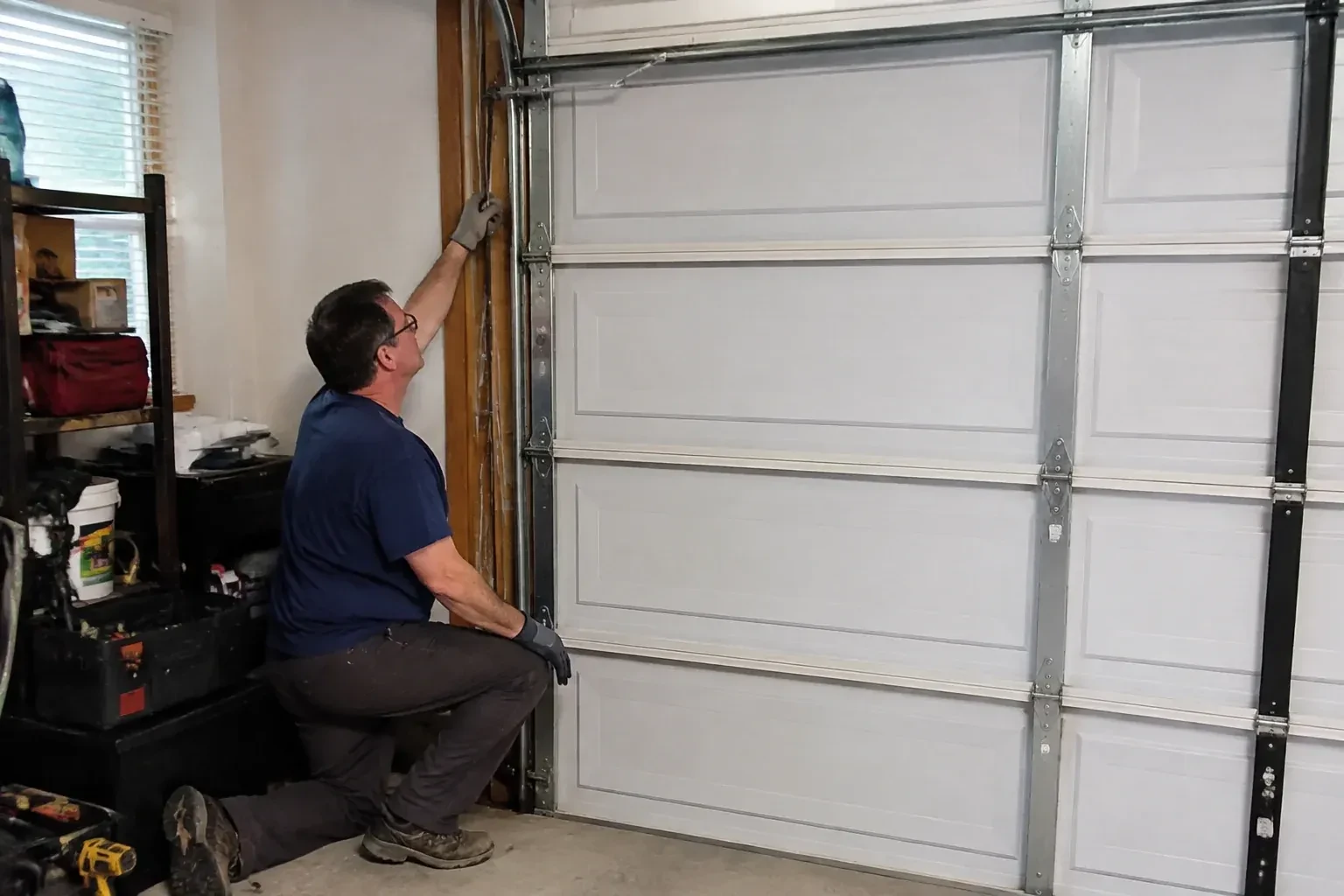
Lifting cables on a door in Toronto show their age as a few broken strands near the bottom bracket, long before they snap. We inspect them on every visit, replace both cables together with new bottom fixtures, and check the drums and bearings that wear alongside them so the door lifts evenly.
Lifting cables on a door in Toronto show their age as a few broken strands near the bottom bracket, long before they snap. We inspect them on every visit, replace both cables together with new bottom fixtures, and check the drums and bearings that wear alongside them so the door lifts evenly.
Safe for everyone who walks under it.
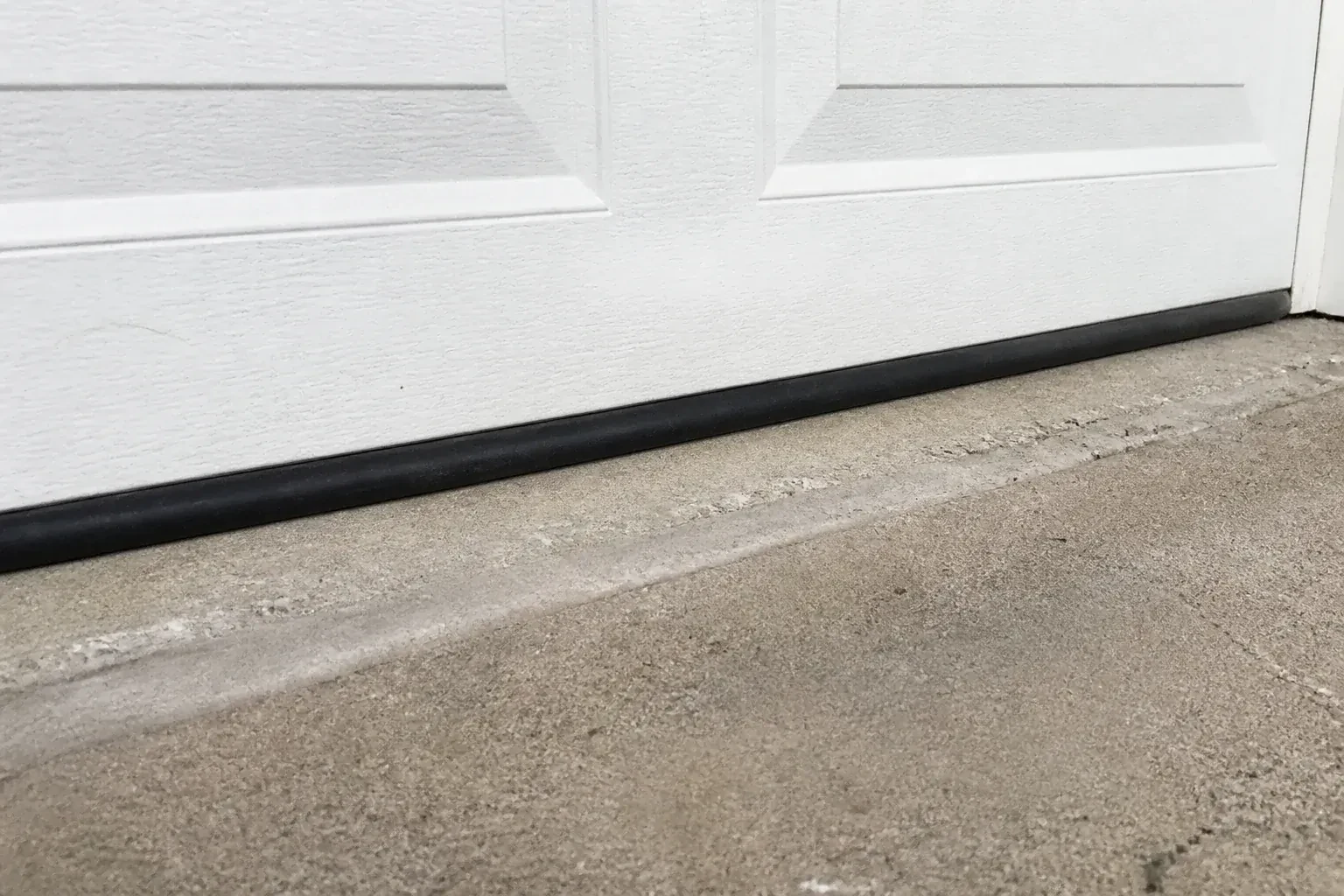
Winter is when garage doors in Toronto fail most, so we prepare for it. Cold-rated lubricants, bottom seals that stay soft in the frost, spring tension checked before the freeze and opener force adjusted for a stiffer door. A door serviced in the autumn is a door that opens in January.
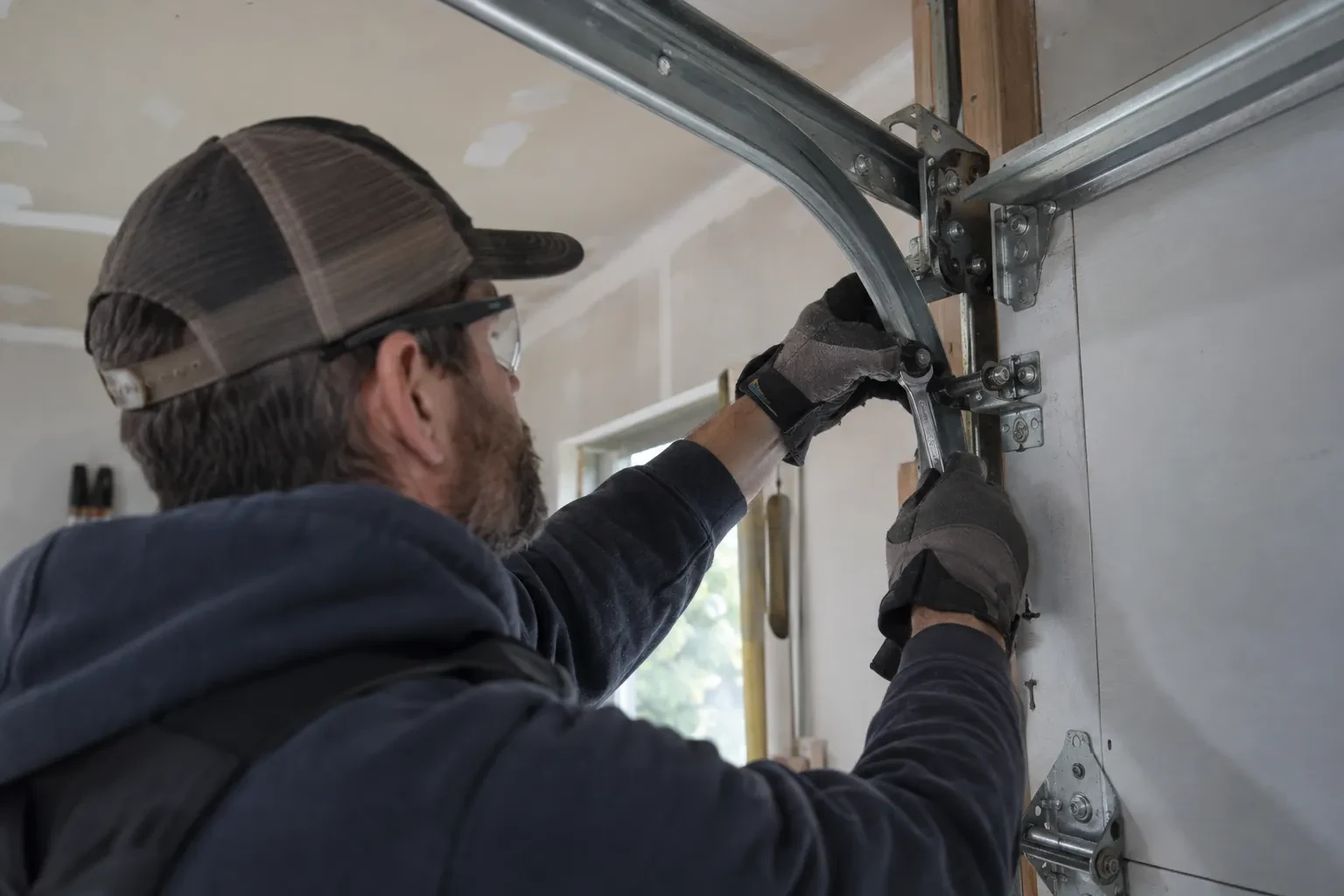
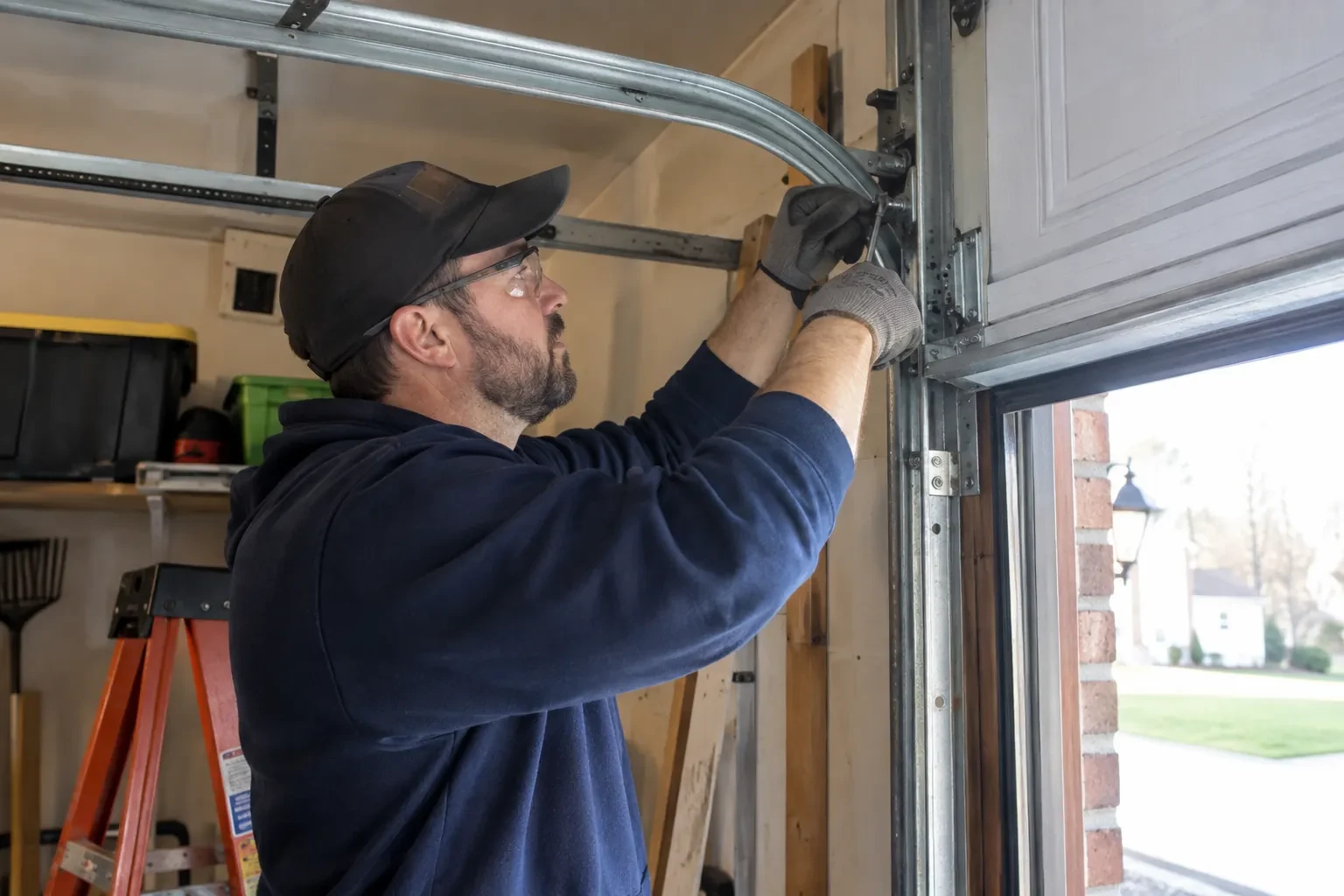
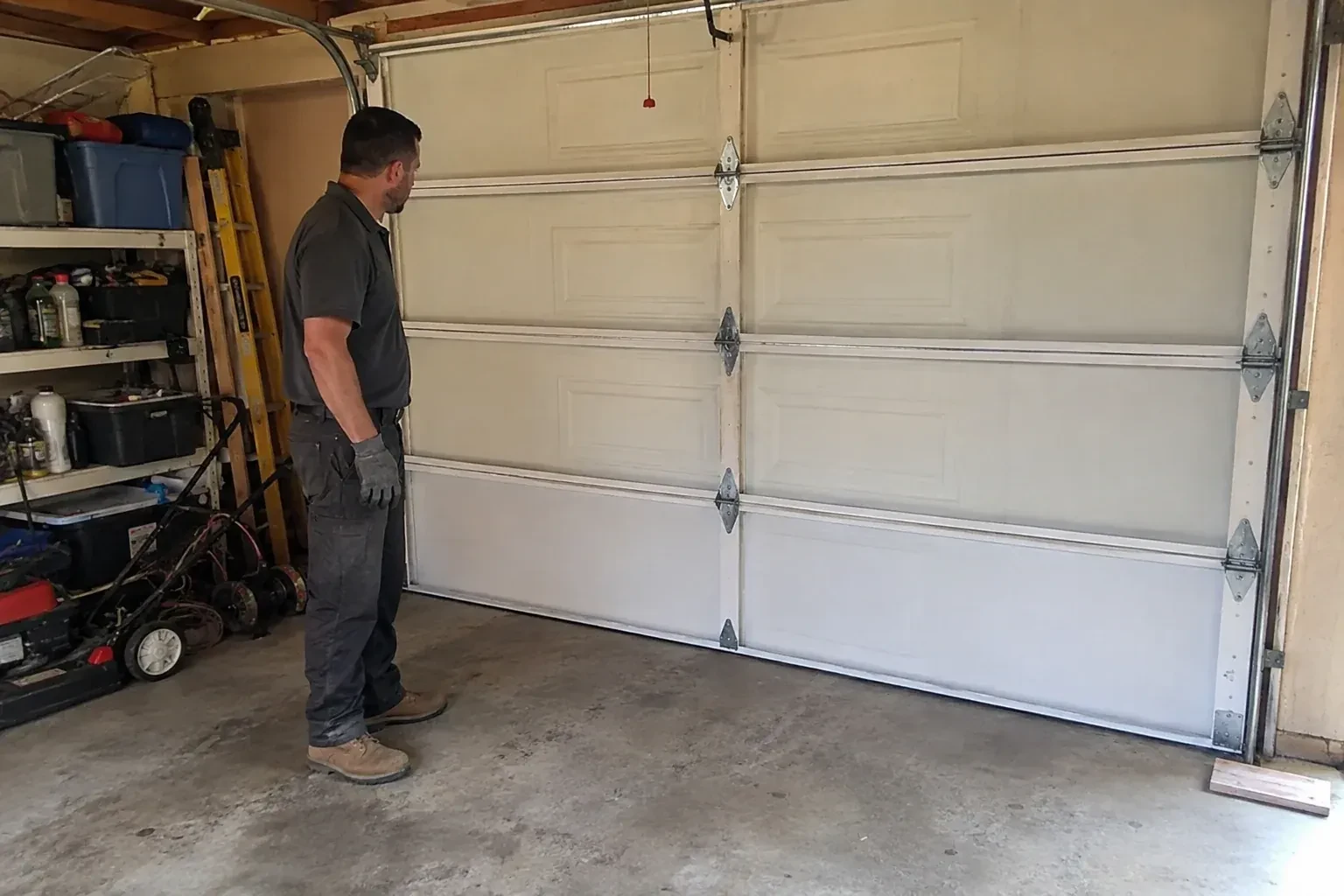
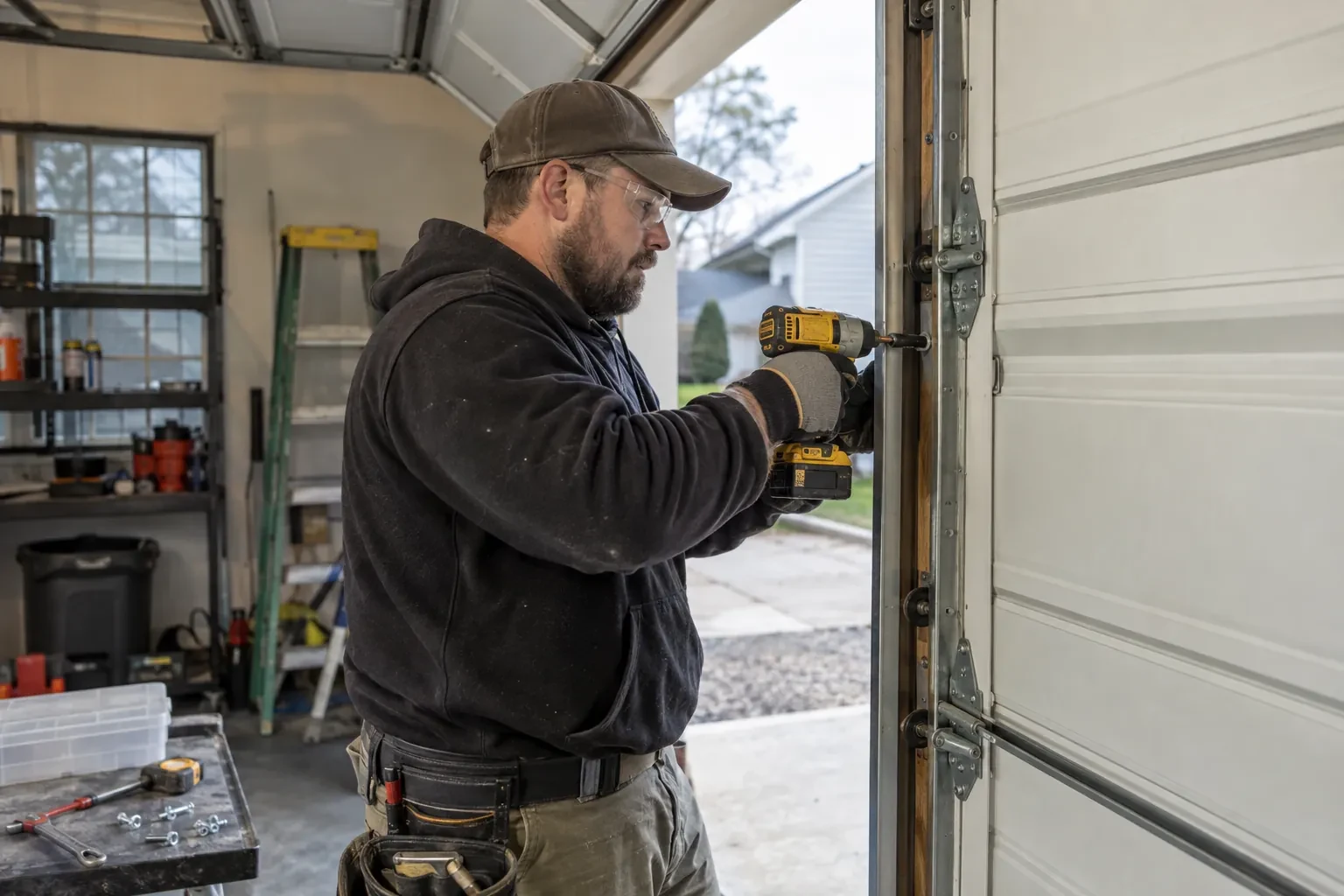
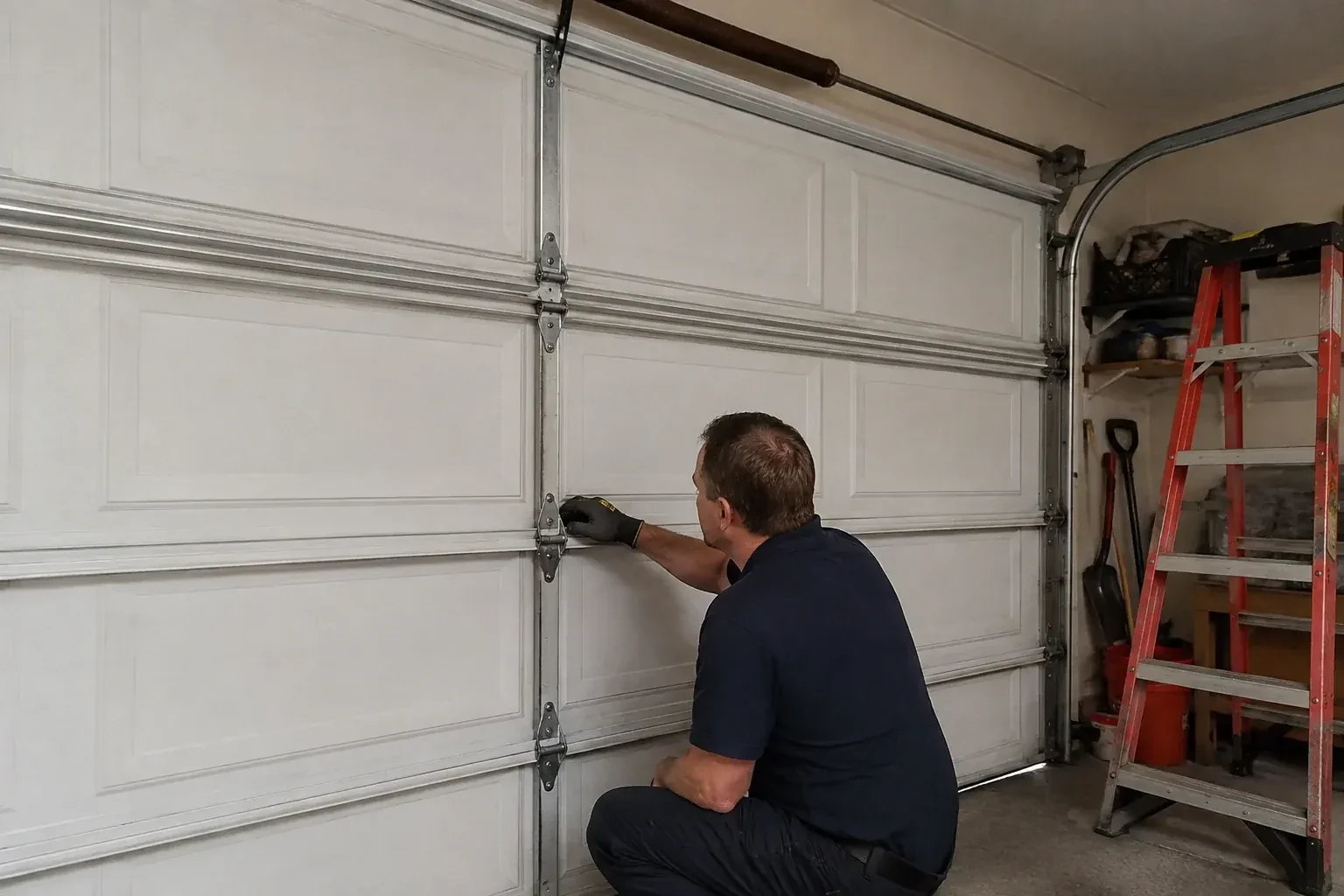
A garage door that jumps its track in Toronto is a common call, especially after a bump from a bumper or a cable that slipped its drum. We secure the door before anything else, lift the sections back into the track, and look for what forced the roller out so the problem does not simply return. The whole door is checked and tested before we leave.
31years in business
24/7open every day
Told before touched. Nothing is adjusted or replaced until you have heard what we found and agreed with the plan for it.
Neat work, neat exit. New parts fitted cleanly, old ones removed, the floor and door wiped down. The garage is yours again the moment we leave.
Room to choose. We give you the practical picture and step back. Repair now, plan a replacement, or wait and watch: your call.
Tell us about the spring, cable or opener in Toronto.
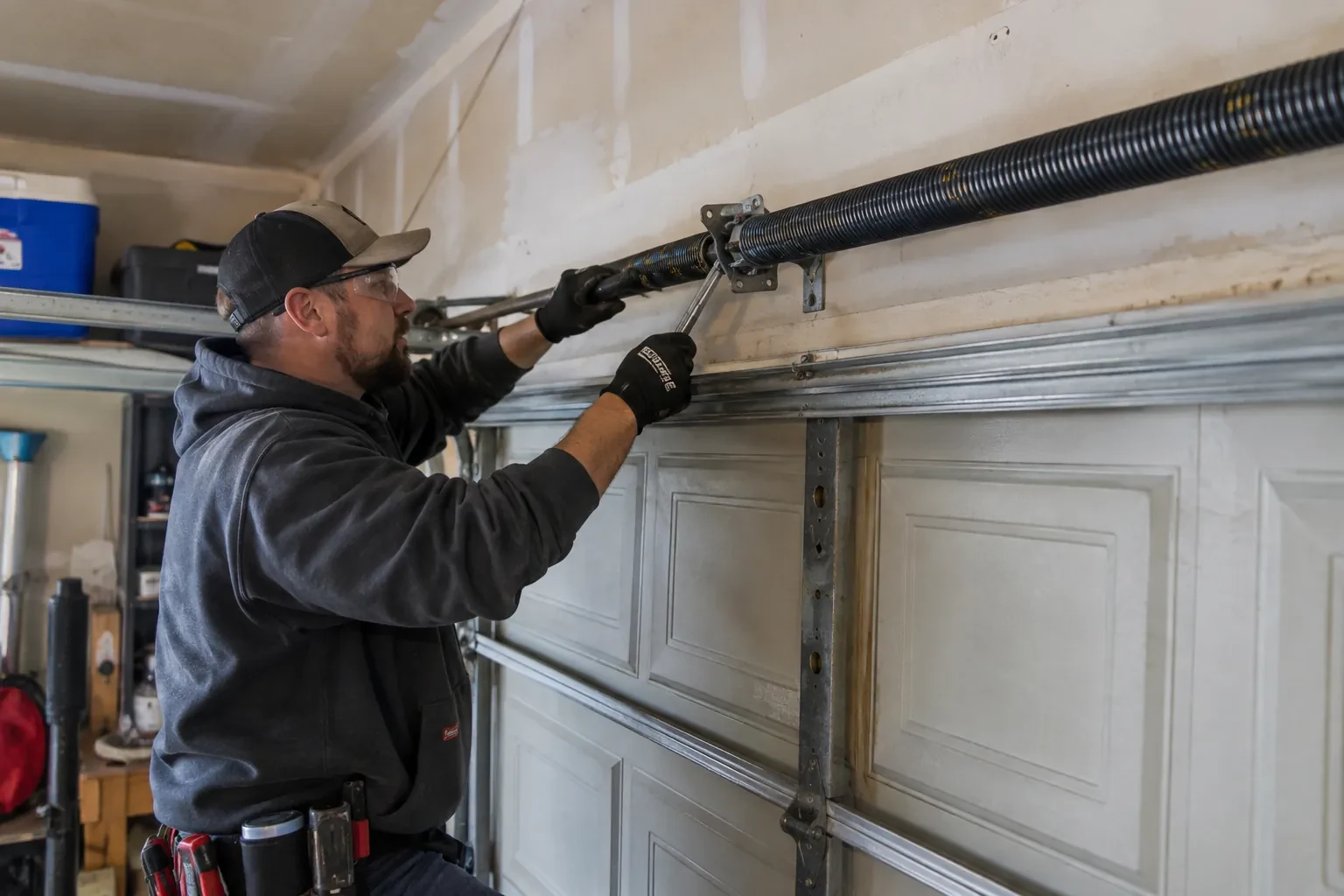
Residential and commercial customers in Toronto come to us for spring and cable replacement, off-track resets, opener diagnosis and replacement, remote and keypad programming, weatherstrip and seal work, balance adjustments, panel repair and new door installation. Each service is explained on its own page in plain language.
About 58% of homes in Toronto were built in 1980 or earlier, according to the 2021 Census.
Older homes
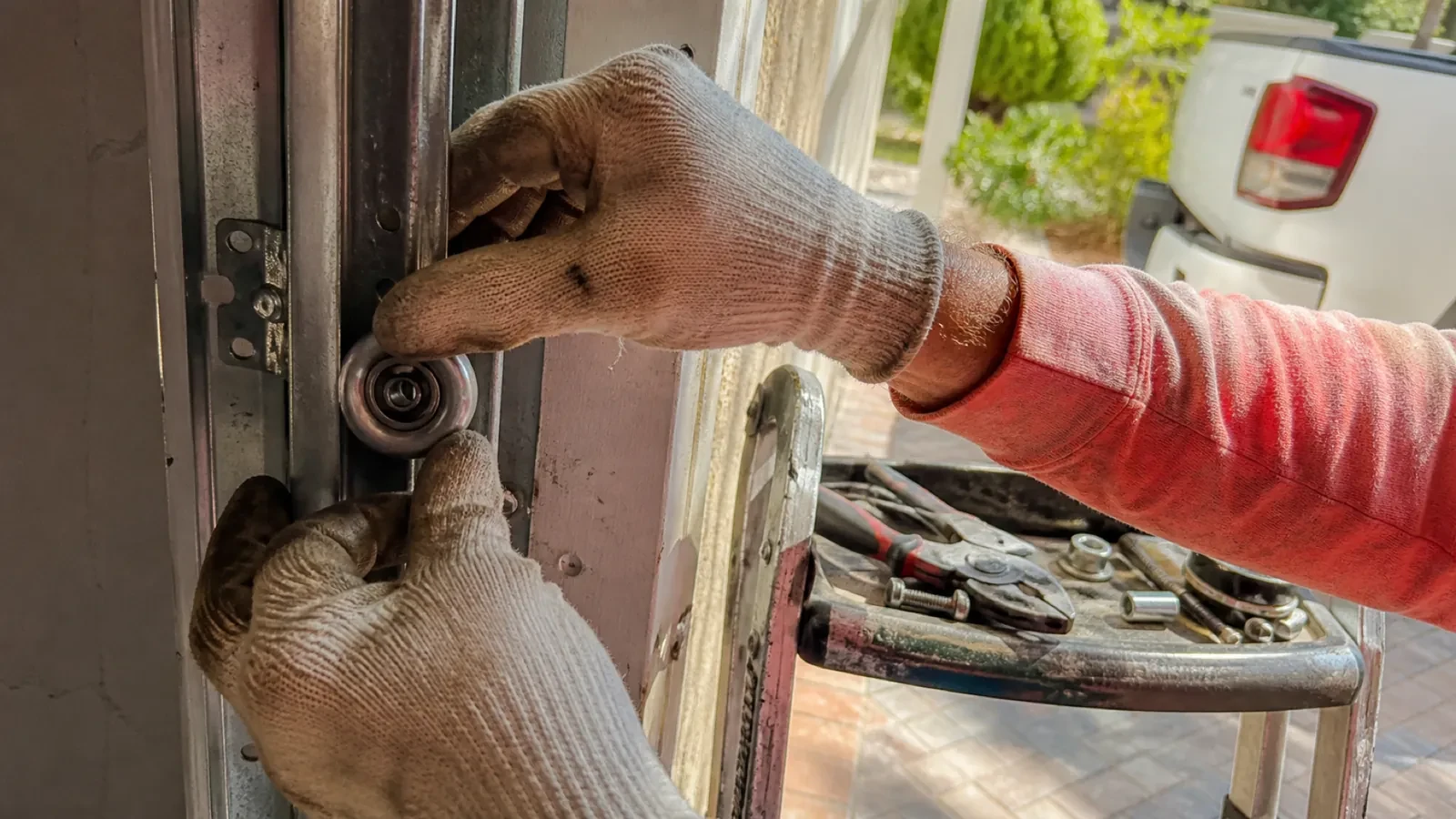
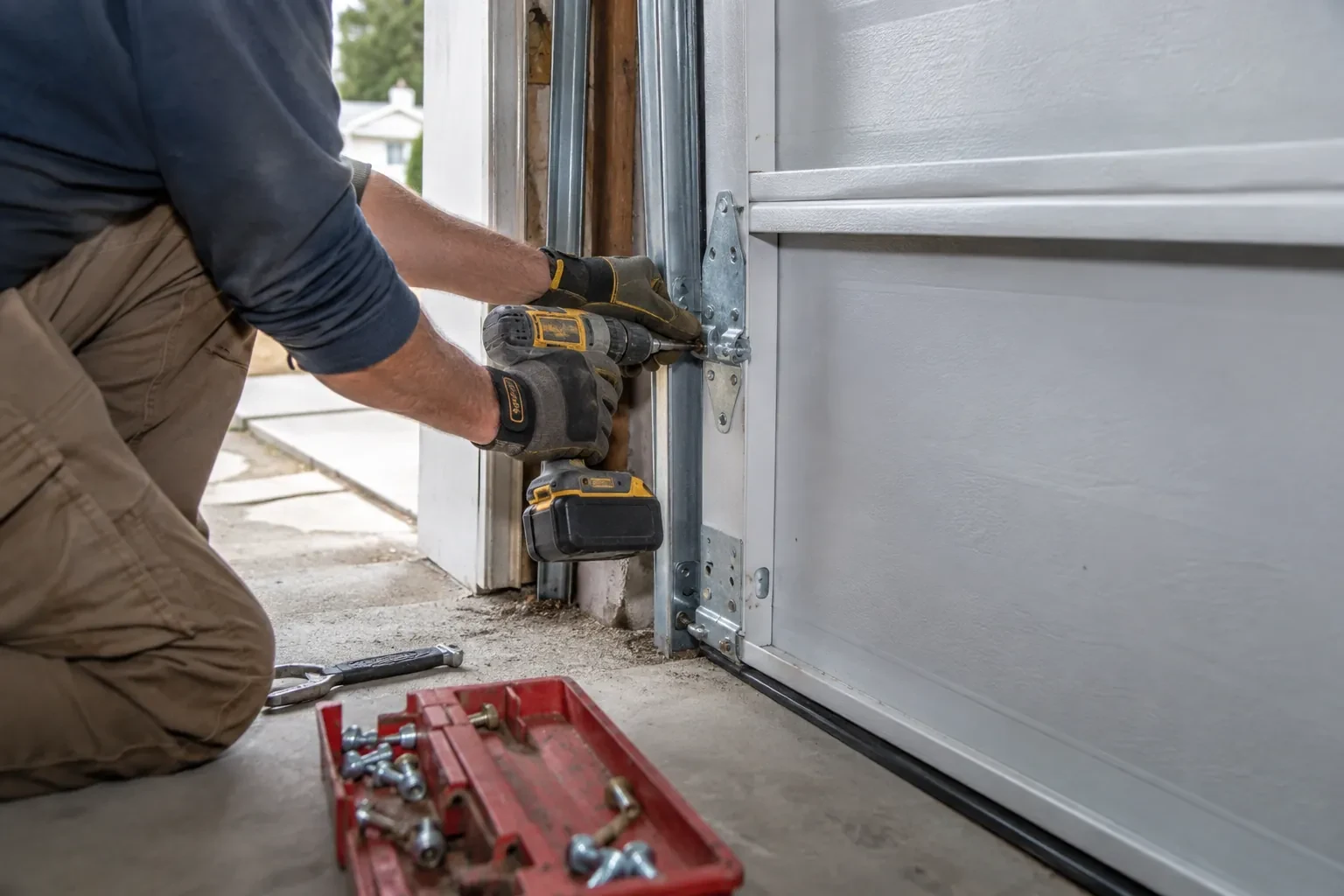
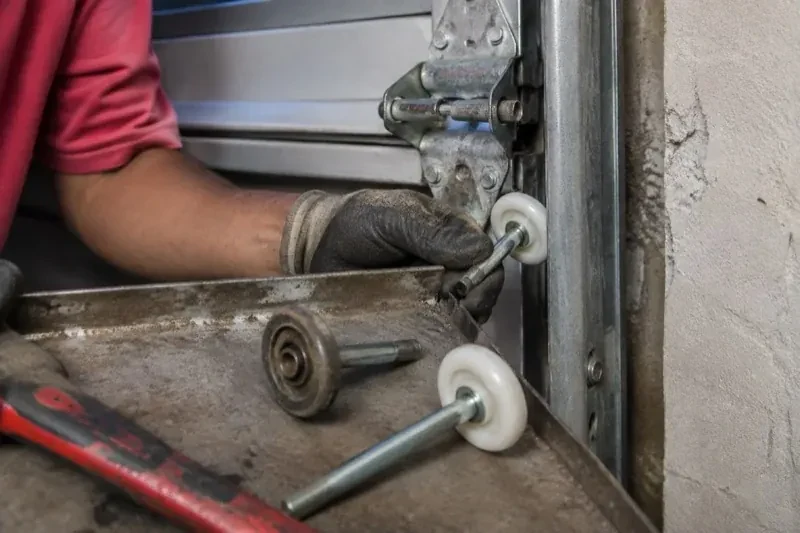
Hardware on an older door has often been through many winters: hinges with worn pins, rollers with tired bearings, bottom brackets rusted at the floor line. Replacing these in sets restores a smooth lift and takes a surprising amount of noise out of the garage.
Single-detached houses make up about 23% of homes in Toronto (2021 Census).
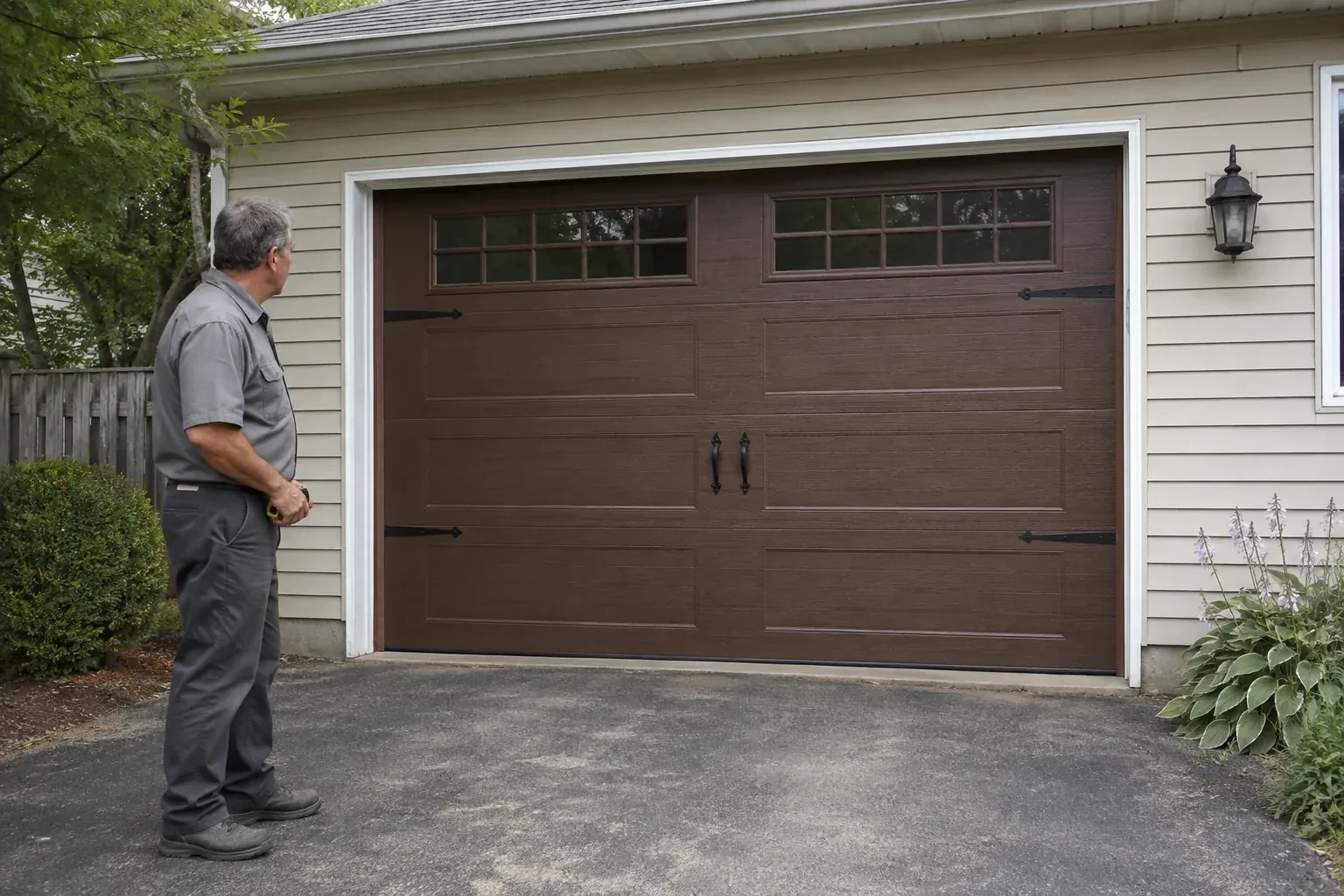
In condominium communities the outward appearance of a garage door is often set by the corporation's rules, down to colour and panel style. We check what the board expects before ordering a replacement door, so the new one is approved and matches the row without a second conversation.
Every spring has a fixed number of open and close cycles in it, and a busy household uses them up sooner than a quiet one. When yours are worn, we fit replacements sized to your door and can suggest longer-life options for heavy use.
The door goes up perfectly. Coming down is the trouble: partway to the floor it stops, climbs back to the top, and the light on the opener blinks at you.
The door opens about a third of the way and stops. Turning the limit screw on the head has made no difference, and the trolley seems to sit in the wrong place along the rail when the door is fully closed.
It is minus twenty in the detached garage and the door climbs in jerks, the belt stiff as a board. By the afternoon, when the sun has been on the door, it runs almost normally again.
During the ice storm the power was off for two days. You came home in the dark, found the door dead, and had to climb out of the car to pull the red cord in the cold.
Someone backed the car in a little too far, a bin or a bicycle brushed the track, and since then the door starts to close and comes back up. One sensor now sits at a slightly different angle from the other.
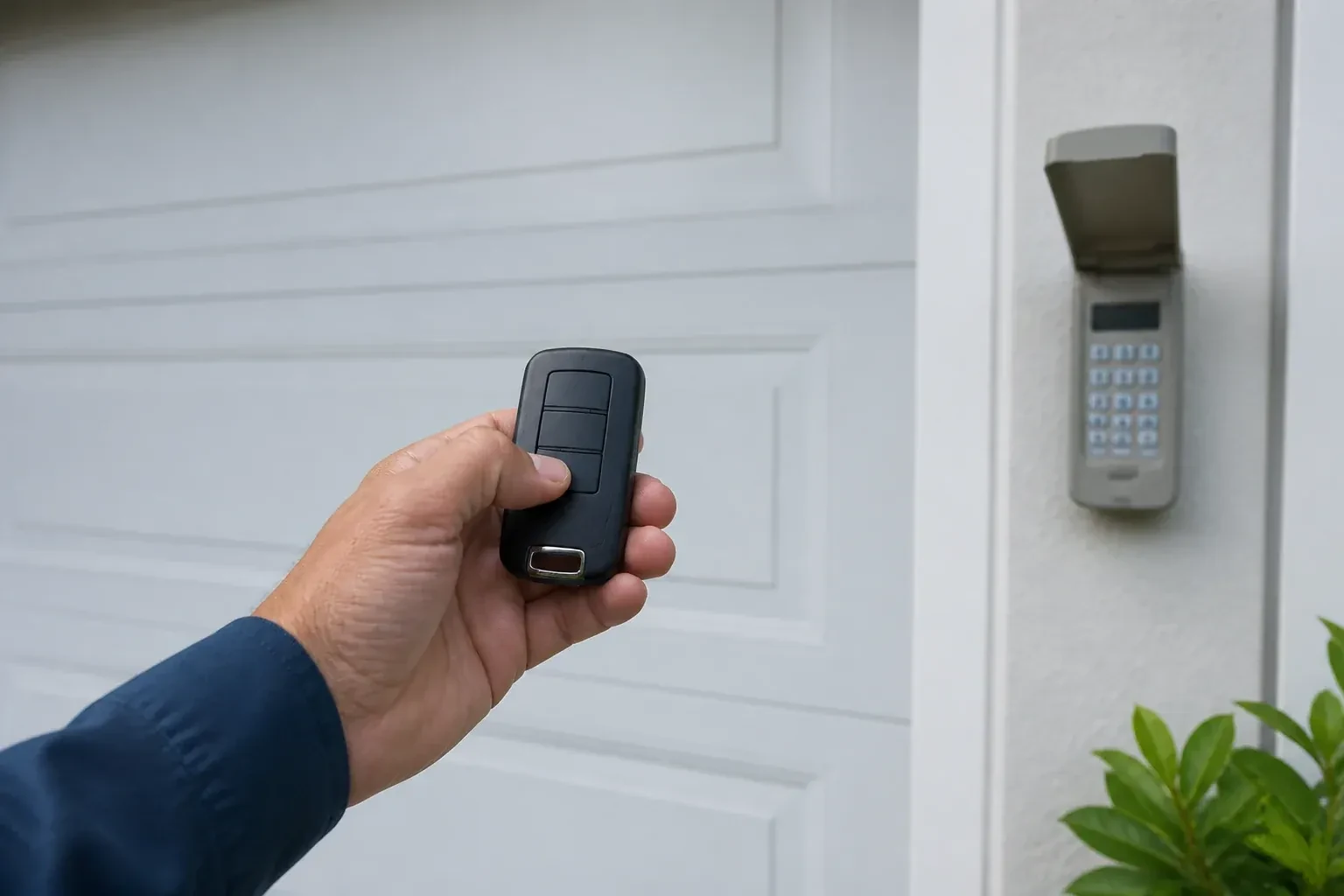
A contractor is coming to work in the garage on Thursday while you are away. Handing over a remote means chasing it back afterwards, and the keypad code is the one your whole family uses.
Halfway up, the door lets go of the opener with a clunk and sinks back to the floor while the trolley carries on to the top alone. It has happened three times this month, and each time the release lever is found half-cocked.
Which fix fits?
You tapped the door with the bumper while backing in, barely a nudge, and now the bottom corner has swung inward.
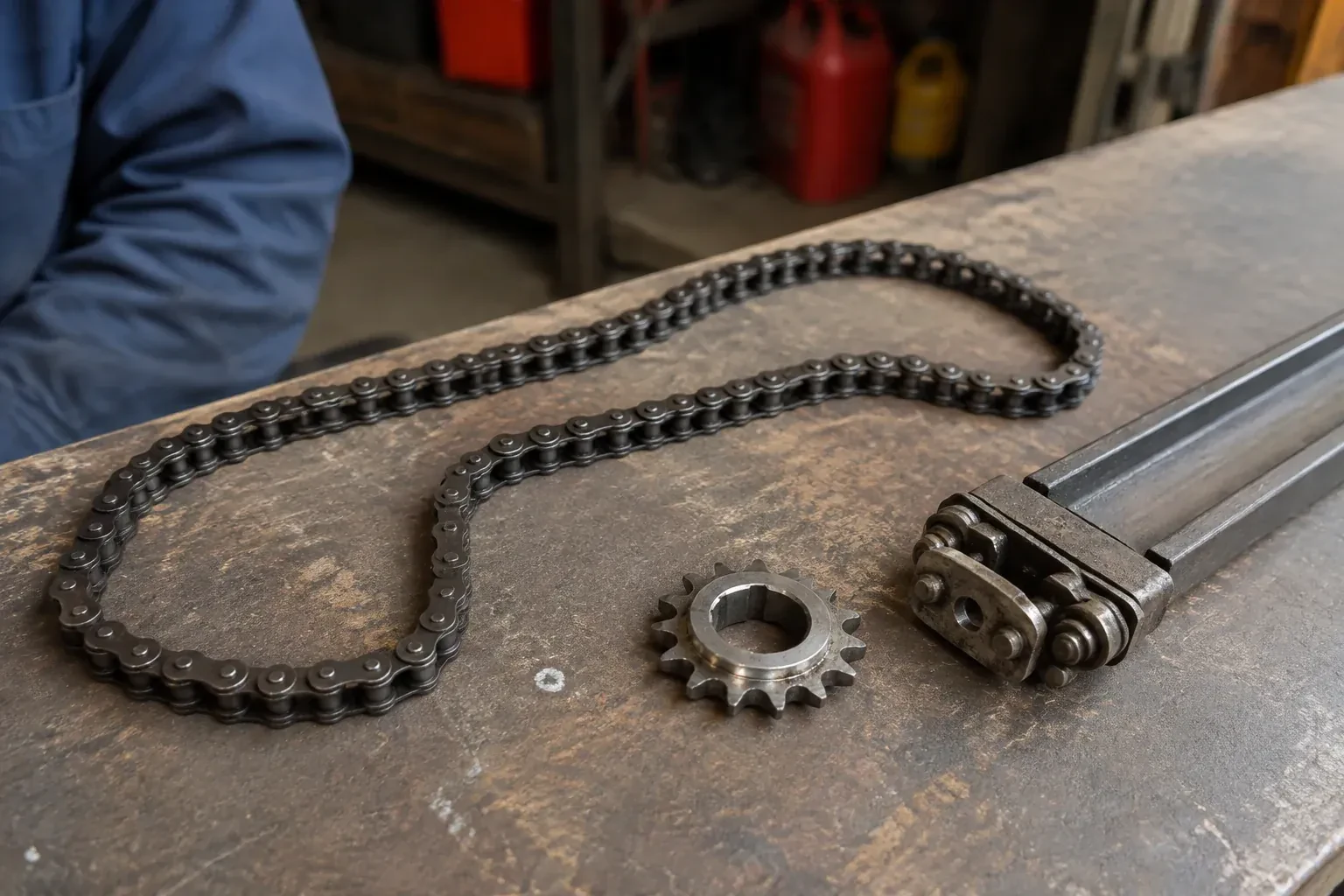
WhyA chain-drive opener moves your door with a steel chain that runs along a rail from a sprocket on the motor head to a trolley hooked to the door arm.
The remote opens the door only when you are almost underneath it.
WhyA powered door works properly only when its mechanical assembly and operator agree.
How a visit goes
Describe the property, the hardware and what has changed, and the visit starts from what you have seen.
01
Start with a description
The door is heavy, the opener hums, the remote is dead. Whatever it is, say it in your own words and we translate it into a plan.
02
Diagnosis in the garage
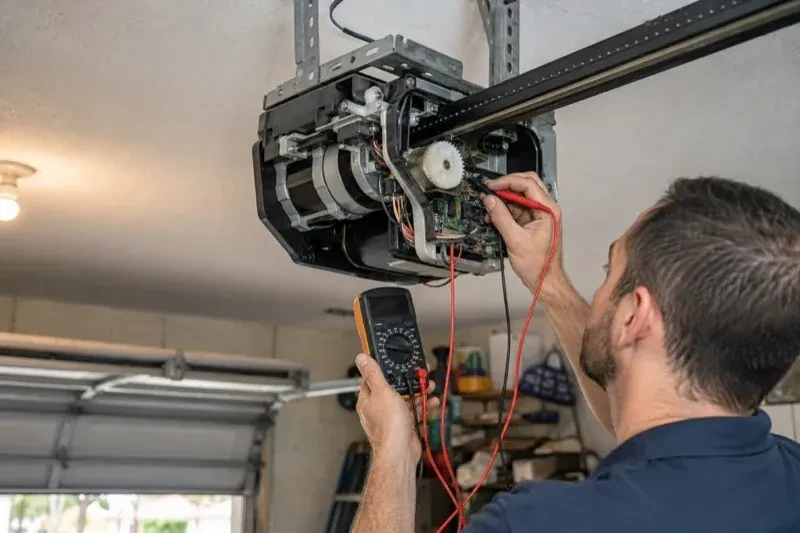
We test the door by hand, watch the opener under load, check the safety sensors and inspect the hardware before anything is decided.
03
Work you can watch
You are welcome to stay while we work. We explain each step, replace what is worn, and confirm the door runs smoothly before leaving.
An entrance. Not an afterthought.
1/10Off-Track Garage Door Reset
You tapped the door with the bumper while backing in, barely a nudge, and now the bottom corner has swung inward. One roller is dangling outside the rail, the section is twisted, and the door will neither rise nor settle flat.
The inside face of one section has started to bow outward and the outer skin has a soft, wavy look. Tap it and it sounds hollow in places. The door is insulated, and the foam core seems to have parted from the steel.
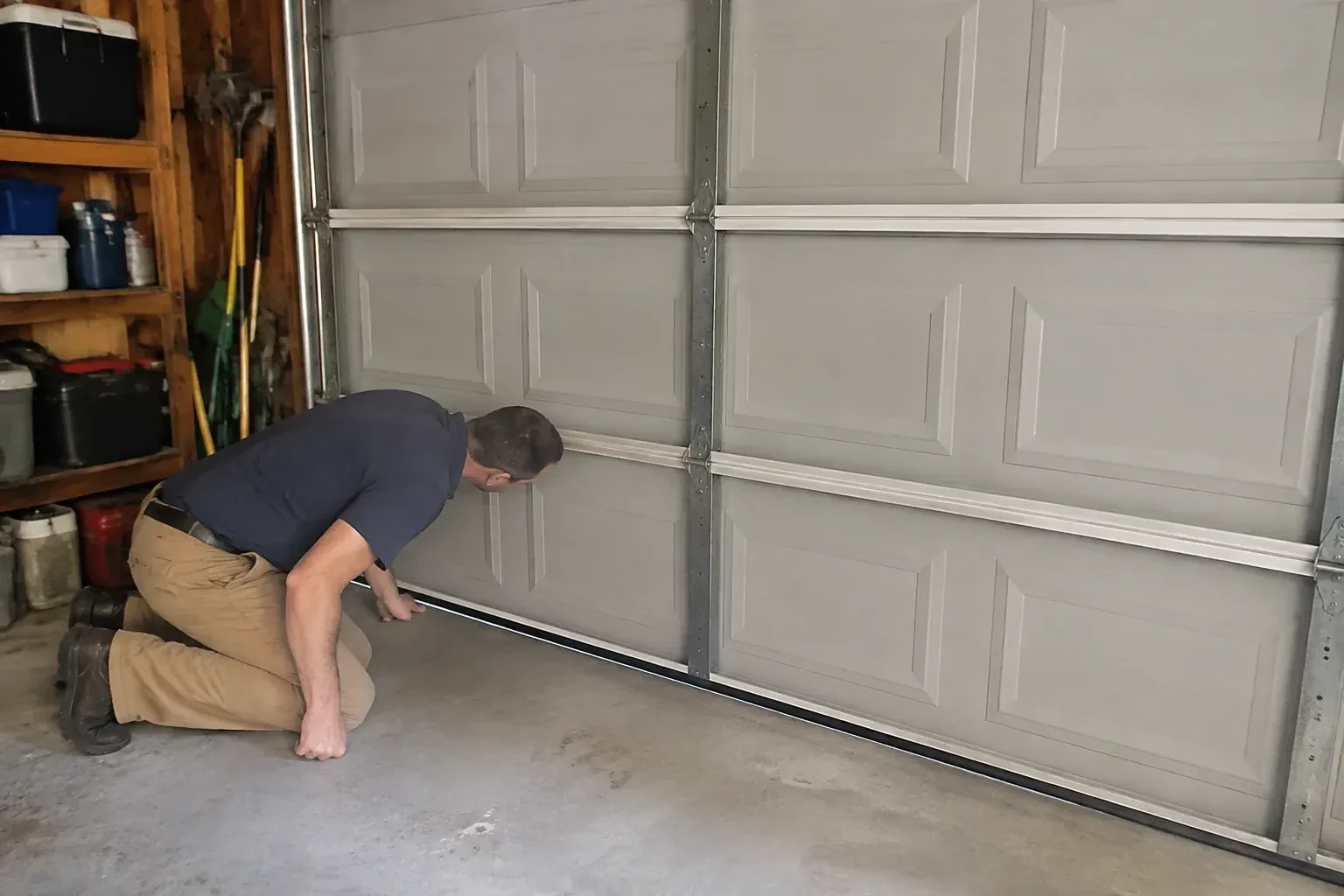
The gap under the door is a finger wide at one end and nothing at the other. The door itself looks straight, but the floor drops away toward the corner where the slab has settled, and drafts pour through the wedge.
The door closes, touches the floor, then climbs straight back up as if it hit something. Nothing is in the way, the sensor lights are steady, and it has been doing this since the weather turned.
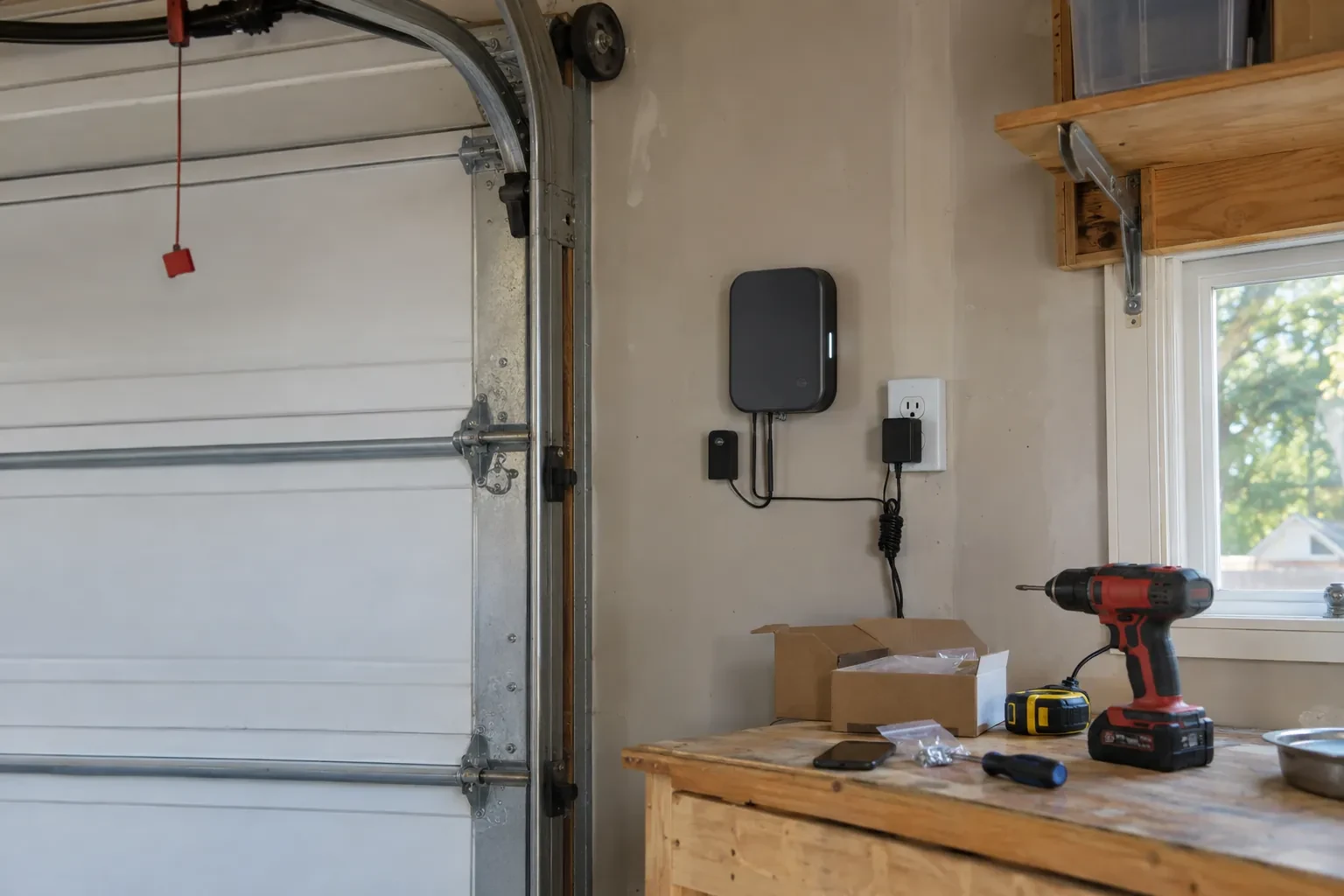
The remote opens the door only when you are almost underneath it. From the end of the driveway you press five or six times and nothing happens. It started around the time the bulbs in the opener were changed to LEDs.
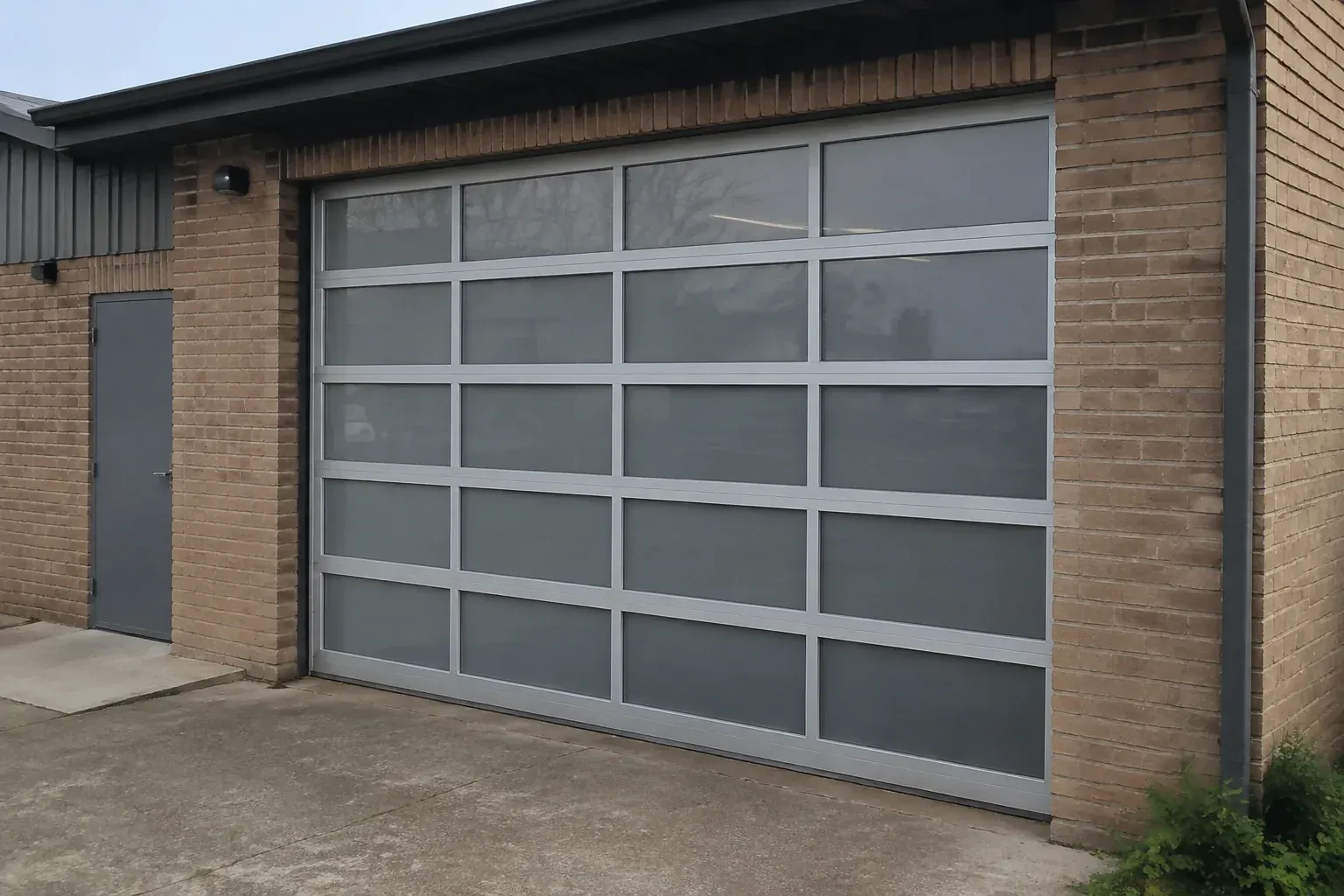
New windows would improve the door's appearance, but they also change the section layout and reinforcement pattern. You need a wind-rated configuration designed with the chosen glazing instead of treating the windows as a later addition.
The existing door has reached the point where panels, rollers and finish all look tired. Rather than reproduce the same appearance, you want the replacement to become a considered architectural feature.
The ceiling has bulkheads, lighting and an opener competing for space above the opening. Before ordering a glazed door, you need to know which track arrangement will travel cleanly through that limited headroom.
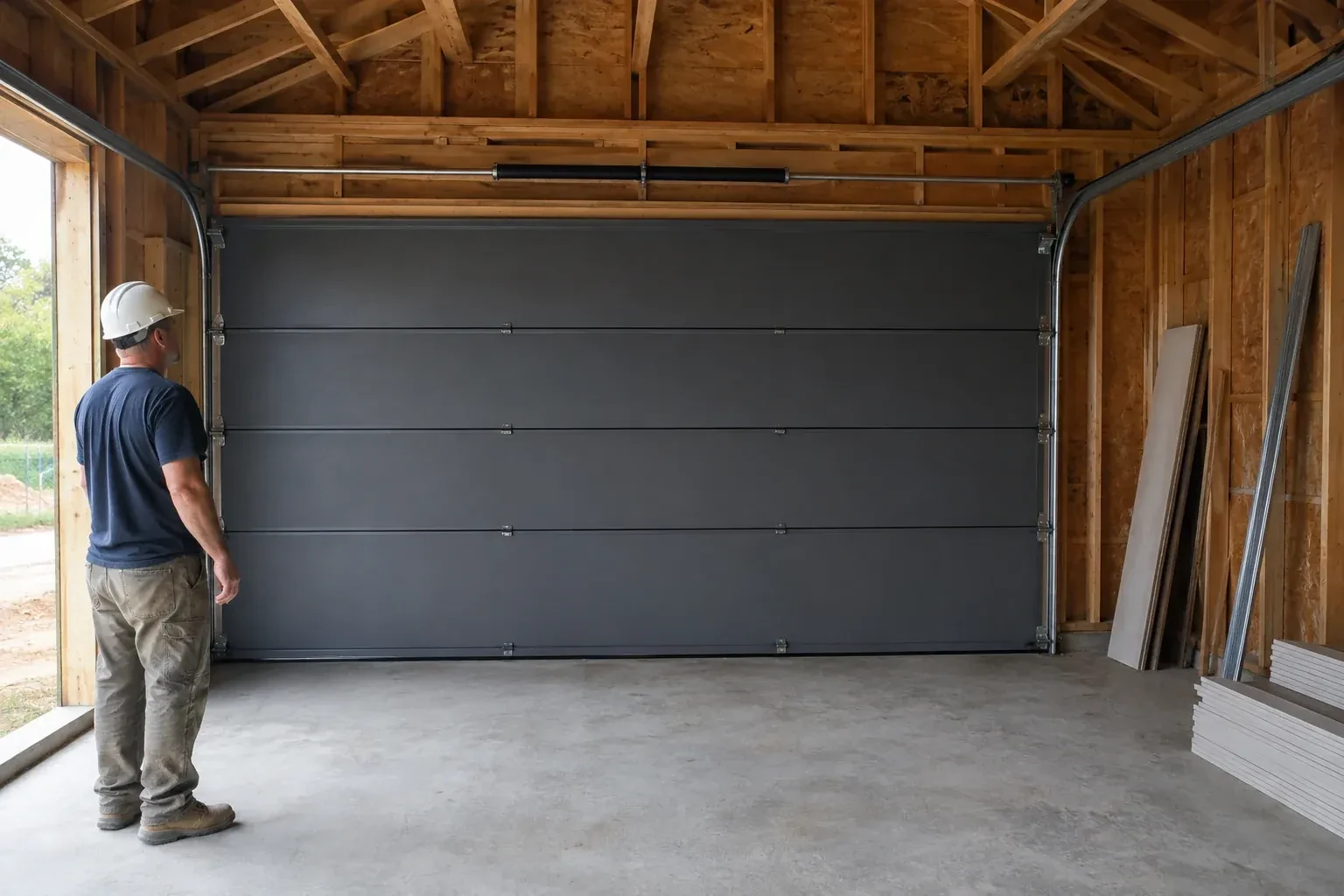
Power and low-voltage wiring are being roughed in while the garage is open. The operator location, ceiling supports, wall control and photoelectric sensors need to align with the door before finishes close everything in.
The loading-bay door rises with one side several centimetres lower than the other. A lift cable looks slack, the bottom section sits crooked, and staff have stopped using the opening until the door can travel level again.
Can I just push the roller back into the track myself?
The roller is only the visible part of the problem. Behind it are cables and springs holding the door's weight unevenly, and a door can drop or swing when a section is moved without the load taken off first. A trained technician clamps the door, releases the tension in a controlled way and seats the rollers in order. Leaving it to that process protects both you and the sections themselves.
Can I keep using the door while I wait for the section?
If the damage is cosmetic and the hinges, rollers and cables are sound, the door can usually stay in service. If a section is folded, a hinge has pulled out or a cable has slackened, the technician braces the door, disconnects the opener and asks you to leave it closed, because the opener pulling on a weakened section can turn a repairable door into a larger job. You will be told clearly which applies.
How long should I allow for the work?
Plan on an hour or two for a straightforward replacement on a standard door, including the inspection and the opener reset. A retainer replacement, a hardened seal that has to come out in pieces, a wood door with a nail-on strip or the addition of a threshold seal each add time. The technician will give you a realistic window once the door has been looked at.
Can you turn the force up so the door closes on cold mornings?
Force is set to the lightest level that moves the door reliably, and it is raised only a little for a cold garage. Turning it up further to overcome a heavy door or a seal frozen to the slab is not done, because too much force interferes with the safety reversal and can bend the top section. If the door is hard to move in the cold, the springs, rollers or the frozen seal are dealt with instead.
Do I need to be home for the programming visit?
Yes, for two reasons. The technician confirms that the person authorising changes to the door's access is the owner, a tenant with permission or the building manager, and you choose the keypad code yourself so it is never known to anyone else. You also test each control in your own hand before the visit ends. Have every remote and vehicle you want programmed available, since a car parked elsewhere cannot be trained.
Can a similar-looking hinge or roller be substituted later?
Appearance is not enough to establish equivalence. Metal thickness, strength, hole pattern, roller stem length, bearing design, and fastener placement can differ in ways that affect both movement and structural performance. Future service should use the door record and applicable component guidance to match parts, preserving the intended arrangement instead of relying on a visual comparison.
What happens if the garage floor is not level?
The survey measures the variation and determines how the bottom section and seal can meet it. A flexible astragal can accommodate modest changes, while a pronounced crown, dip or damaged threshold may call for related floor or threshold work. The door itself is installed level for reliable travel; the sealing approach is selected separately to follow the practical shape of the floor.
Can the panel layout mix clear and opaque sections?
Many door families allow a planned mix of compatible glass, polymer or solid panels. That can screen storage and work areas at eye level while bringing more daylight through upper rows. The layout is confirmed through the product options for the ordered size and construction, since panel weight, insulation and available finishes must remain compatible across the complete door.
What regular care does a newly installed door need?
Follow the door and operator manuals for inspection and product-specific lubrication. Owners can keep the opening and sensor path clear, clean the section finish gently and watch visible cables, rollers, hinges and seals for change. Tracks are guides, so adding heavy grease can collect dirt. Any shift in balance, smooth movement or cable condition is useful reason to arrange a professional system assessment.
How does high-lift track change the repair?
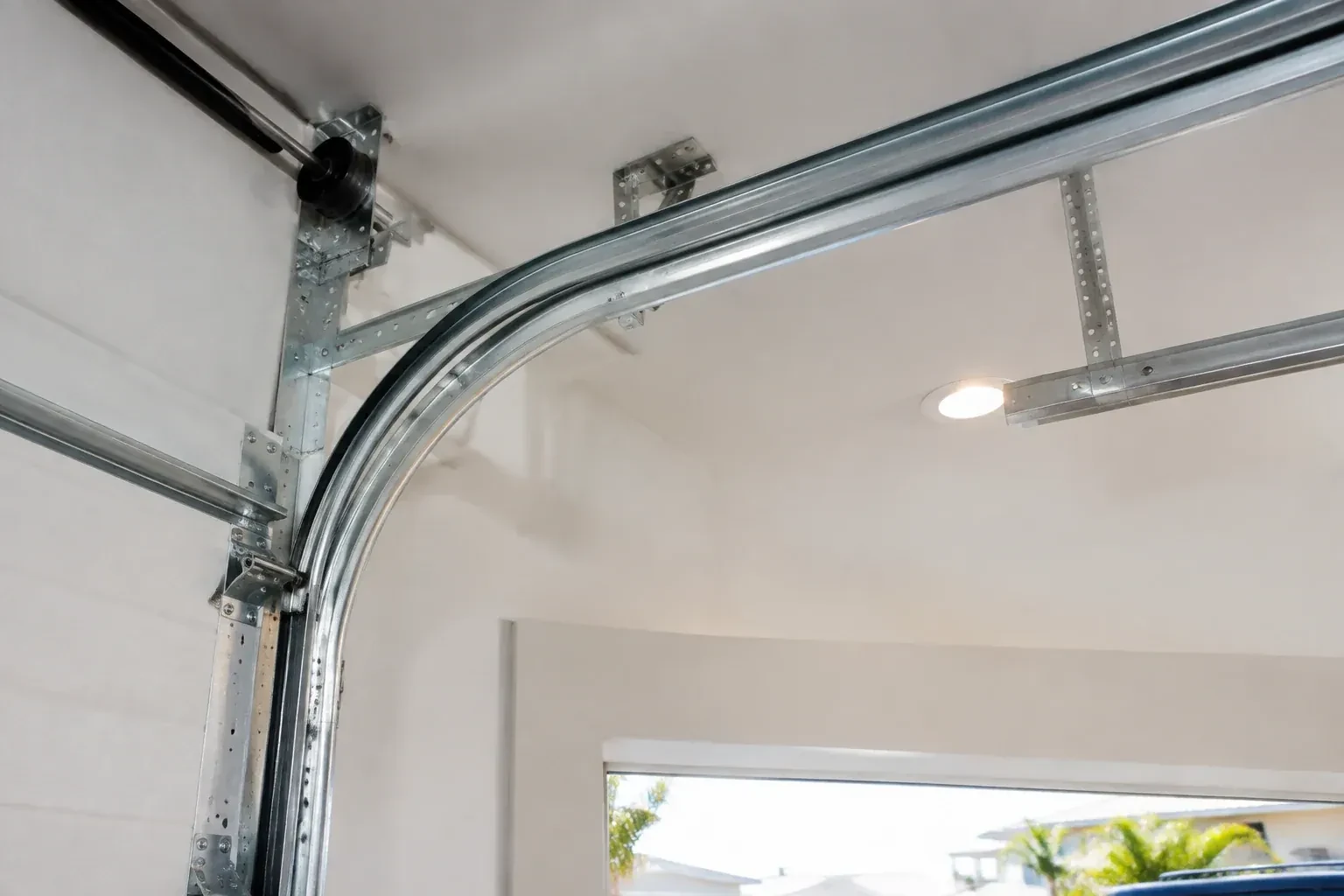
High-lift doors keep travelling vertically above the opening before turning into horizontal track. That geometry changes cable length, drum type, track support and operator arrangement. Repairs therefore use the recorded lift dimensions and door weight, with cable tension observed through the transition and near the open position. Components from a standard-lift setup are not assumed to match.
Request a visit
Winter is when garage doors in Toronto fail most, so we prepare for it. Cold-rated lubricants, bottom seals that stay soft in the frost, spring tension checked before the freeze and opener force adjusted for a stiffer door. A door serviced in the autumn is a door that opens in January.