Repairs · Toronto
Garage Door Manual Lock Repair
Someone slid the inside lock across before bed, and in the morning someone else pressed the remote.
In plain words
The cylinder in a garage T-handle is a small pin-tumbler lock, much like a front door's. If the key is lost, or a previous owner kept it, the cylinder is rekeyed to a fresh combination or swapped for a new one and keys are cut on the spot. Where the keyway matches the house locks, the garage handle can often be pinned to the same key, so one key runs the property. Worn keys that need a wiggle are replaced by keys cut to the new pinning rather than copied. All of it happens in the same visit as any mechanical repair.
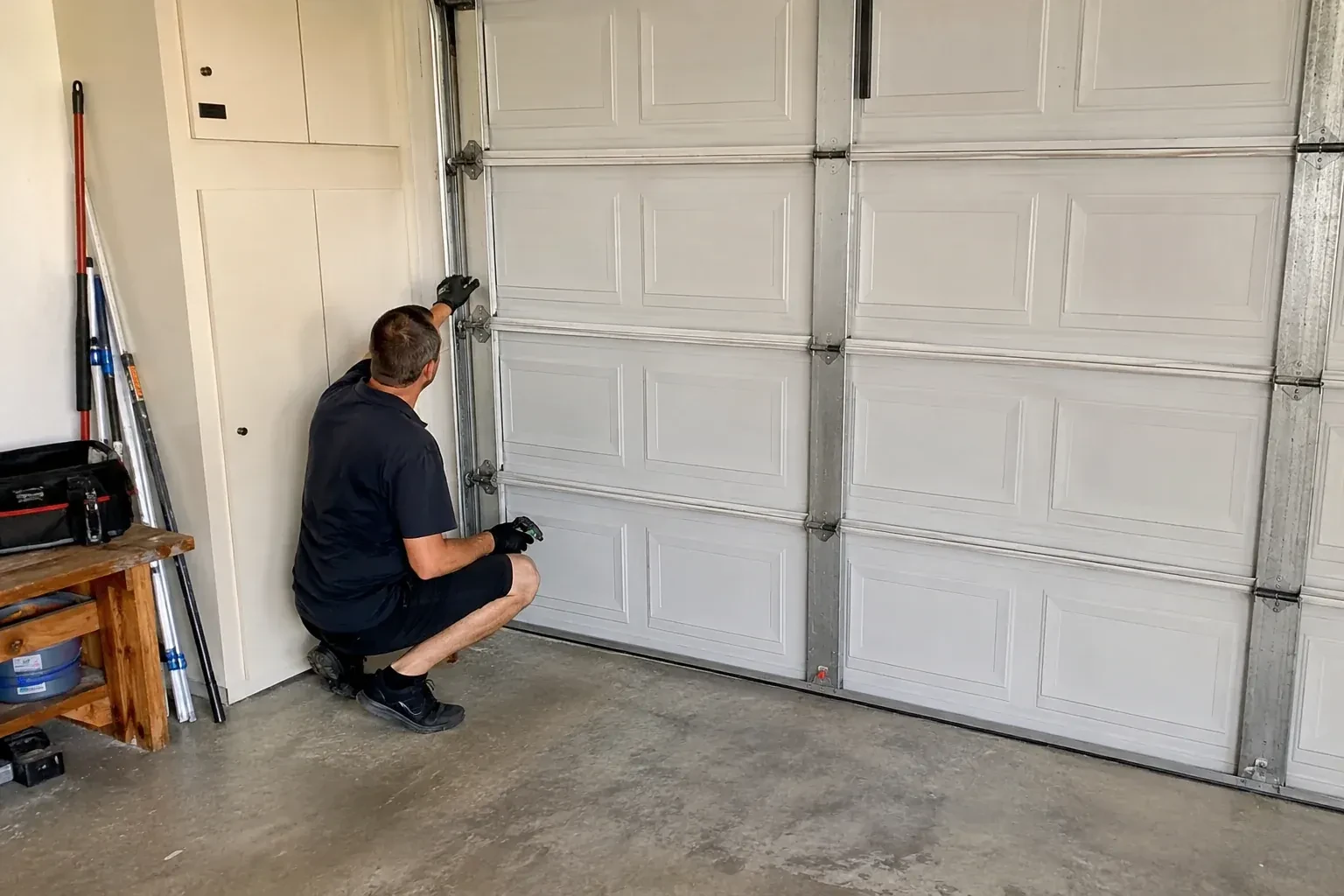
How the visit goesOn the old wooden door out back, one lock bar hangs loose from a rusted guide and the other is bent at an angle, so the handle turns but the door can still be lifted a hand's width from outside.
Garage Door Manual Lock Repair
How the visit goes
Which lock the door actually has
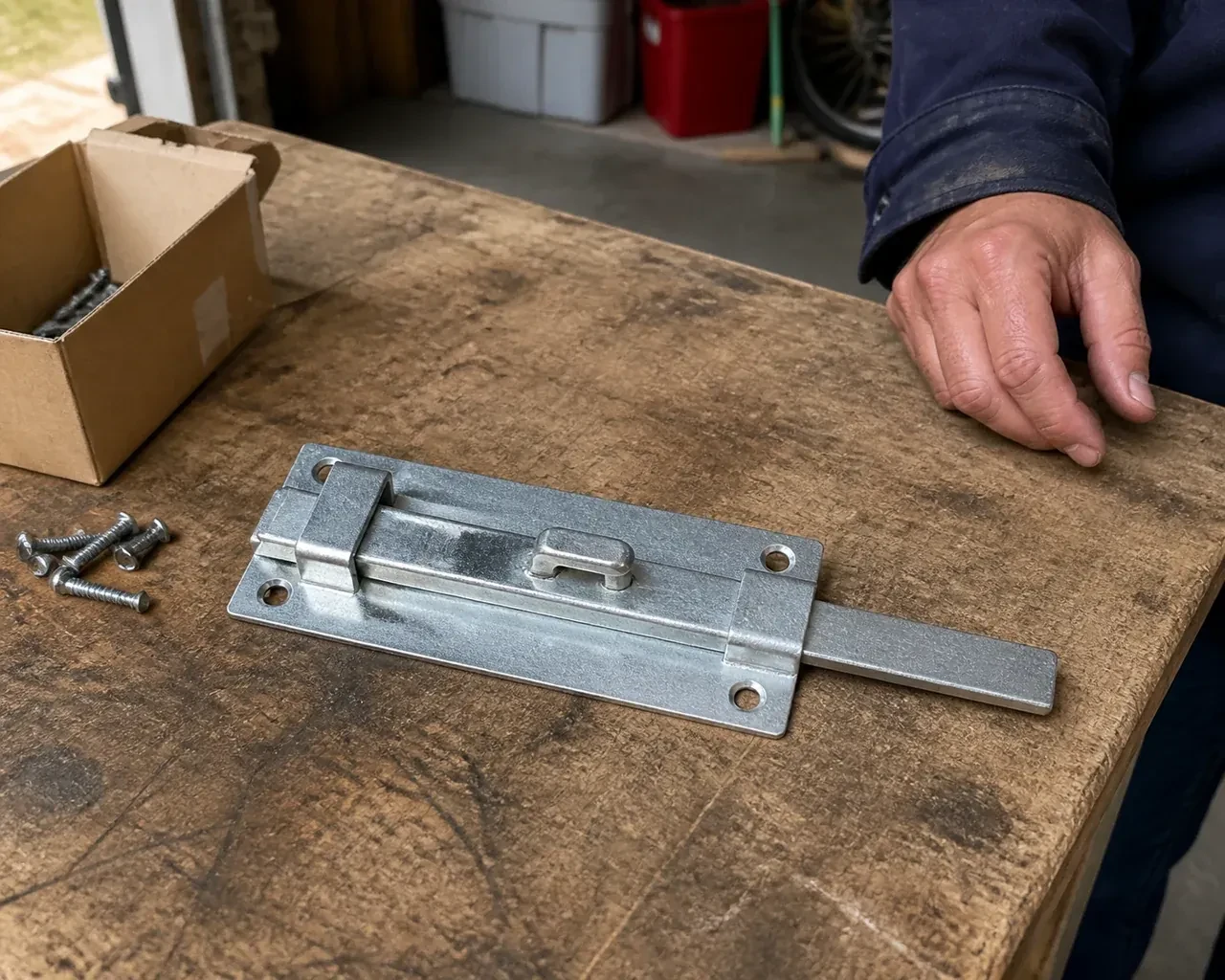
Garage doors carry a few different locks and the first job is to name the one in front of the technician. An inside slide bolt is a short bar on the door's edge that shoots through a slot in the vertical track; some are snap latches that lock on their own when the door closes. An outside keyed T-handle or L-handle works a centre mechanism that throws a bar into each track, or on some models pulls a cable to release a spring latch at each side. Some doors have a keyed cylinder on the side that operates the slide bolt from outside. Each has its own parts and failure points, so naming it correctly sets up everything that follows.
Cylinder work and keys
A keyed garage handle uses a small pin-tumbler cylinder that can be rekeyed or replaced without changing the handle. To rekey, the cylinder is withdrawn, the plug slid out with a follower, the bottom pins swapped to a new combination and the plug returned, so the old key is retired and freshly cut keys operate it. Where the cylinder is worn or its tailpiece has broken, a new cylinder with the correct tailpiece is fitted. If your house locks share the same keyway, the garage cylinder can be pinned to match, so one key runs the property. Keys are cut from the new pinning, tested in the handle, and counted into your hand.
Locking the door when the power is out
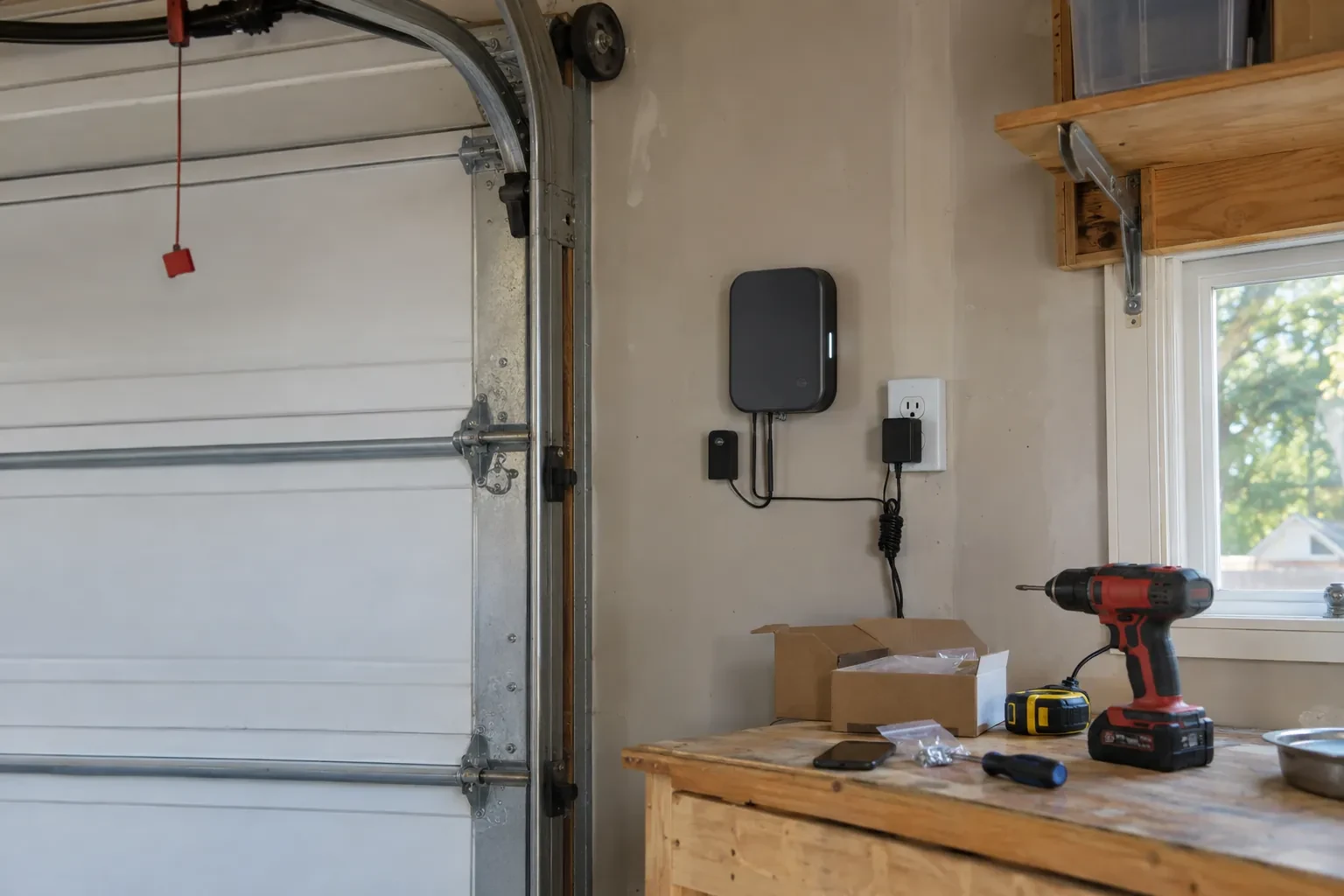
The manual lock is now your plan for a dark evening. The sequence is simple: with the door closed, pull the opener's release cord so the trolley disconnects, then throw the slide bolt or turn the T-handle to lock. In the morning, or when the power returns, reverse it exactly: unlock first, confirm both bars are clear of the track, then re-engage the opener as its manual describes, usually by running it once so the trolley picks up the arm. The technician walks through this with you at the door, and it is worth practising once so the order is second nature before the storm that makes it matter.
Garage Door Manual Lock Repair
In the van
Inside slide bolt or snap latch
Spring-steel lock bars
Lock cylinder with tailpiece
Inside turn handle and spindle
Track lock-slot punch
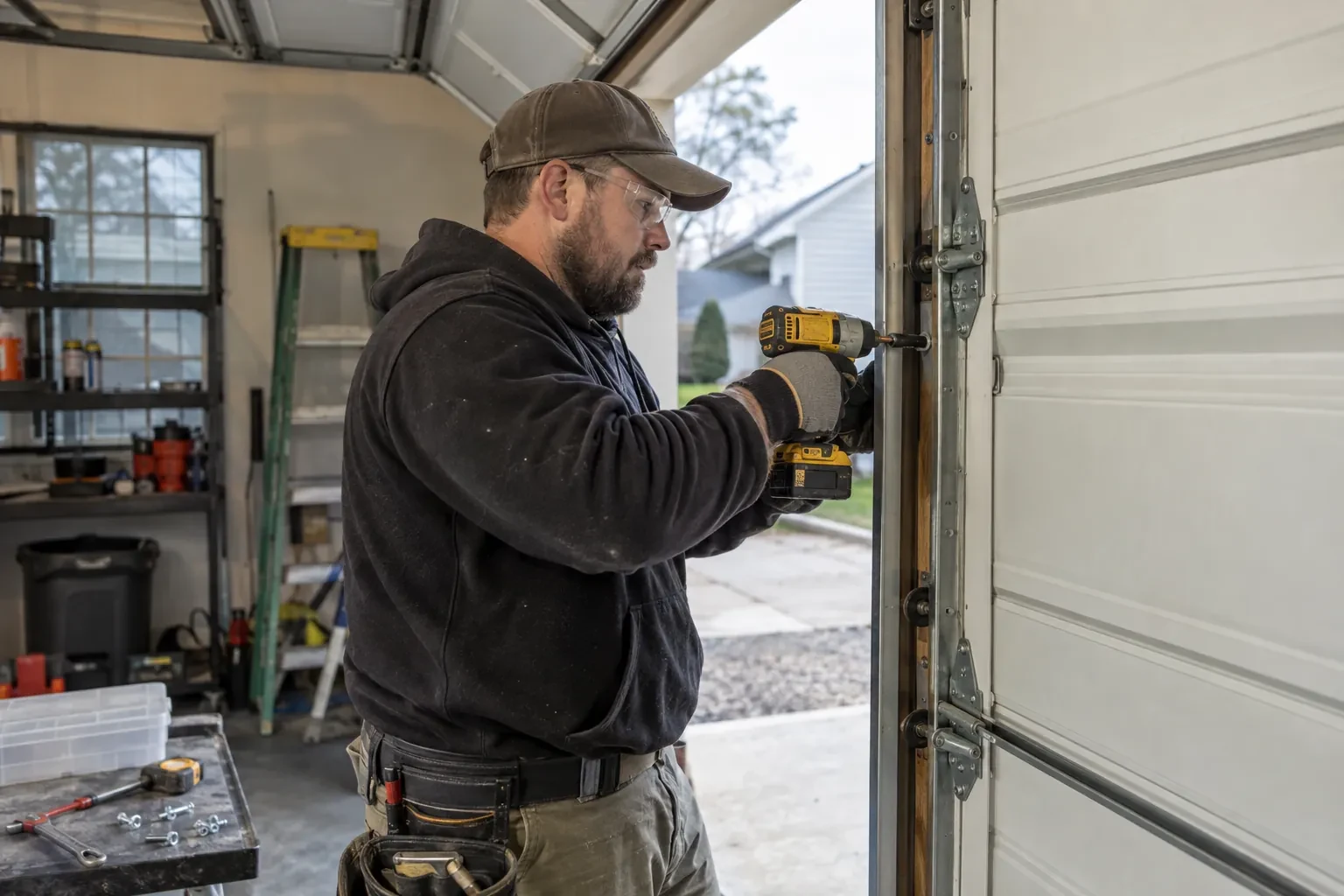
Garage Door Manual Lock Repair
What affects the quote
Whether an opener shares the door
A powered door adds the coordination step: removing or disabling the bars, demonstrating the console lock-out, or installing an automatic deadbolt if you choose one. Each is priced as chosen.
Corrosion and seized hardware
Screws rusted solid, a cylinder seized in its handle or bars welded into their guides take time to free or cut out, and corroded parts are replaced rather than reused.
Door thickness and insulation
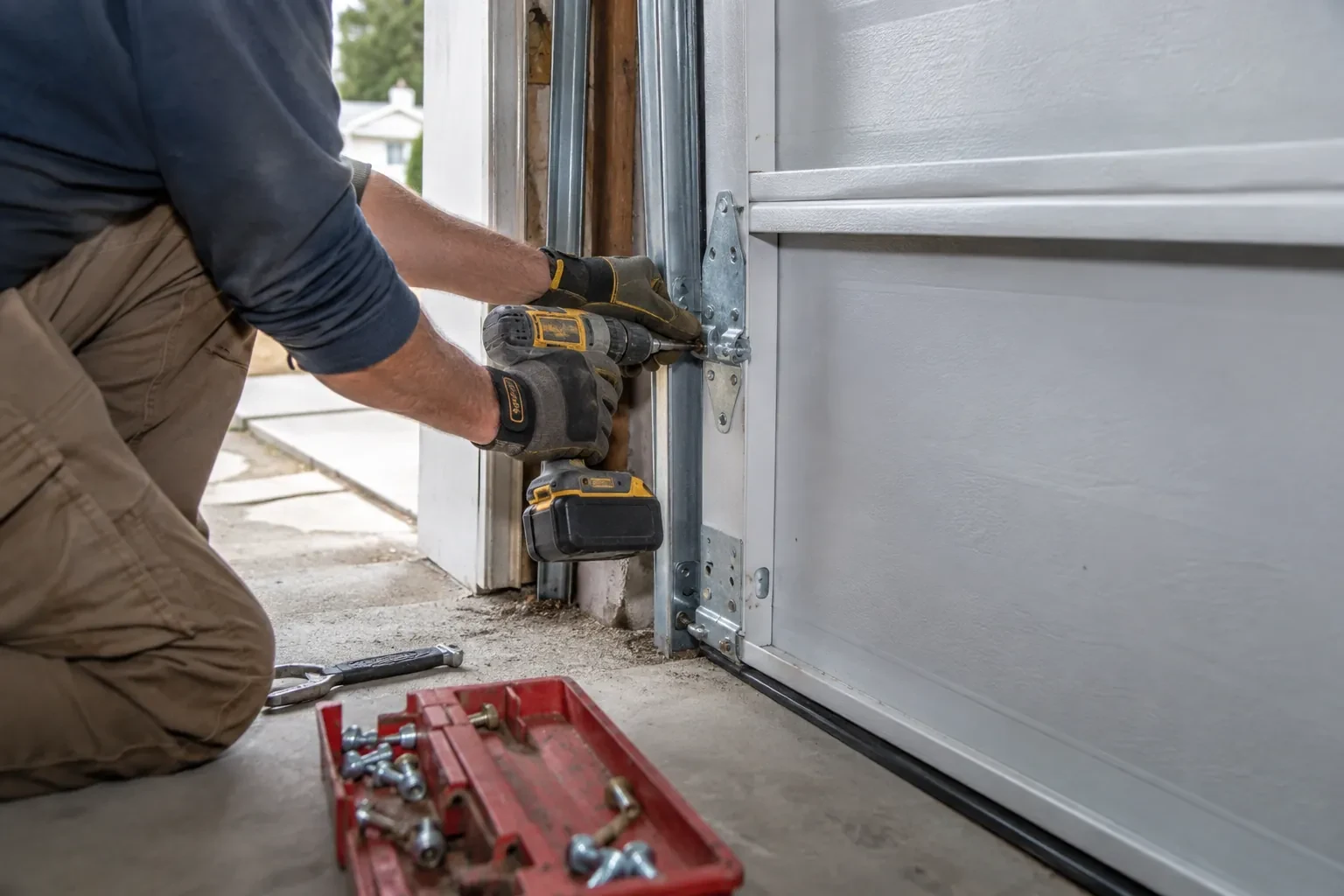
Insulated and thicker doors take longer spindles, longer through-bolts and sometimes a sleeve through the foam. Matching those parts to the door affects the parts list.
What to have ready
- Is the door steel, wood or aluminum, and roughly how old is it?
- Do you want to be able to lock the door by hand during a power outage?
- Does the door close fully to the floor and sit level?
Garage Door Manual Lock Repair: questions
QuestionsThe handle turns but the bars stay put. What has broken?
Something in the short chain between the handle and the bars. The square spindle may have twisted or sheared, the set screw holding the inside knob may have let it spin free, the cam inside the centre body may have worn round, or the return spring may have snapped. The inside cover comes off to see which, and the failed part or the whole mechanism is replaced to suit.
How do I lock the garage door during a power outage?
With the door closed, pull the opener's release cord so the trolley lets go of the door, then throw the slide bolt or turn the T-handle to lock. When power returns, unlock first, check both bars are clear of the track, and then re-engage the opener as its manual describes, usually by running it once. Keeping to that order is what protects the lock and the opener.
Does lock work involve the springs or cables?
The lock, its bars and its guides all live on the door sections and the tracks, well away from the counterbalance, so the visit involves no winding or unloading of springs. Where a lock misses its slot because the door hangs crooked or sits high, the door's balance or a cable may be part of the story, and the technician points that out so it can be dealt with properly.
Related services
- Garage Door Tune-UpThe door lands with a thud you can feel through the kitchen floor, and sometimes it bounces back up a few centimetres before settling.
- Off-Track Garage Door ResetA delivery van backed into the shop's overhead door this afternoon.
- Garage Door Panel ReplacementA stray ball went through one of the window panes in the top section.