Springs · Parkway West
Torsion Spring Replacement in Parkway West
You heard a sharp bang from the garage, and now the opener hums for a second and gives up.
In plain words
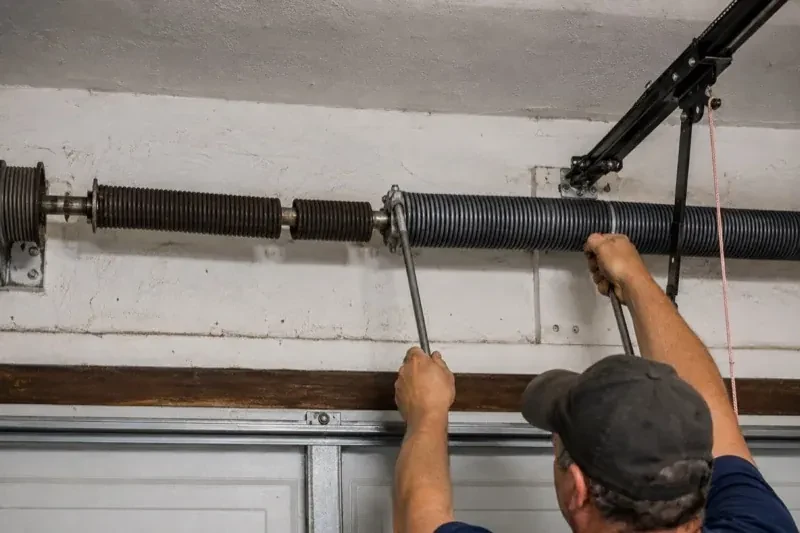
The heart of this service is matching, not just swapping. Two springs can look identical and behave very differently, because the force a torsion spring produces depends on its wire thickness, inside diameter, length and wind direction, and the right combination depends on the door's weight, height, drum type and track lift. The technician measures all of those before choosing a spring, then confirms the choice the only way that counts: lifting the finished door by hand and feeling it stay put at waist height. A properly matched spring lasts longer and keeps the opener working easily.
How the visit goesAfter pulling the red release cord, you tried lifting the door yourself and it would barely leave the floor. A door that used to glide up with one hand now takes real effort, which points to the counterbalance rather than the opener.
Torsion Spring Replacement
How the visit goes
Weighing the door honestly
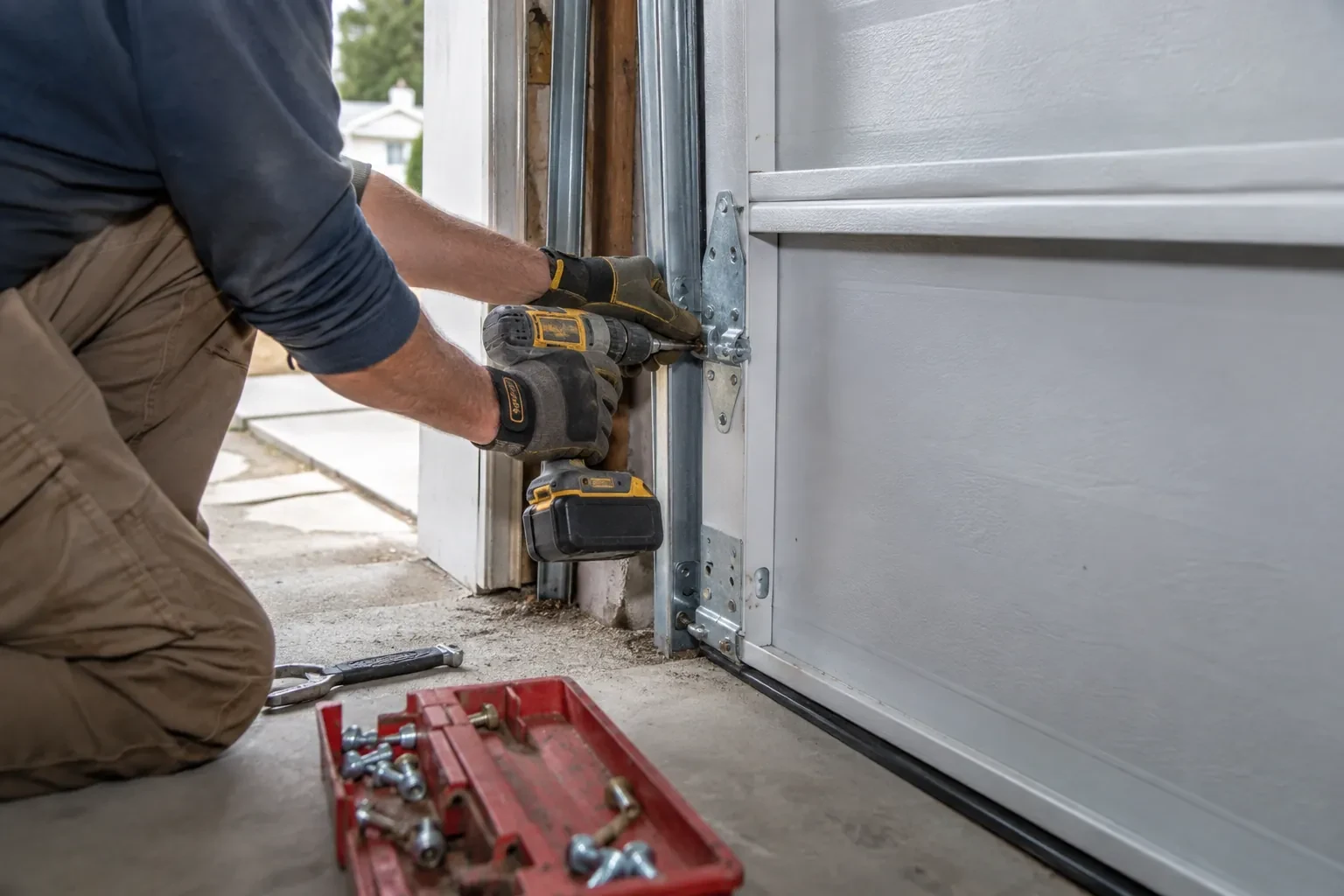
A spring is chosen for a specific load, so the technician establishes what the door actually weighs rather than guessing from its appearance. With the opener released and any remaining tension safely removed, a scale under the bottom section gives a real figure. Construction is recorded alongside it: single-skin steel, insulated steel sandwich, solid wood, glass panels or an aluminum frame all sit at very different weights for the same size. Extras count as well, including added windows, a heavy bottom seal or panels replaced over the years. That weight, with the door's height, is the basis for the spring specification.
Reconnecting and testing the opener
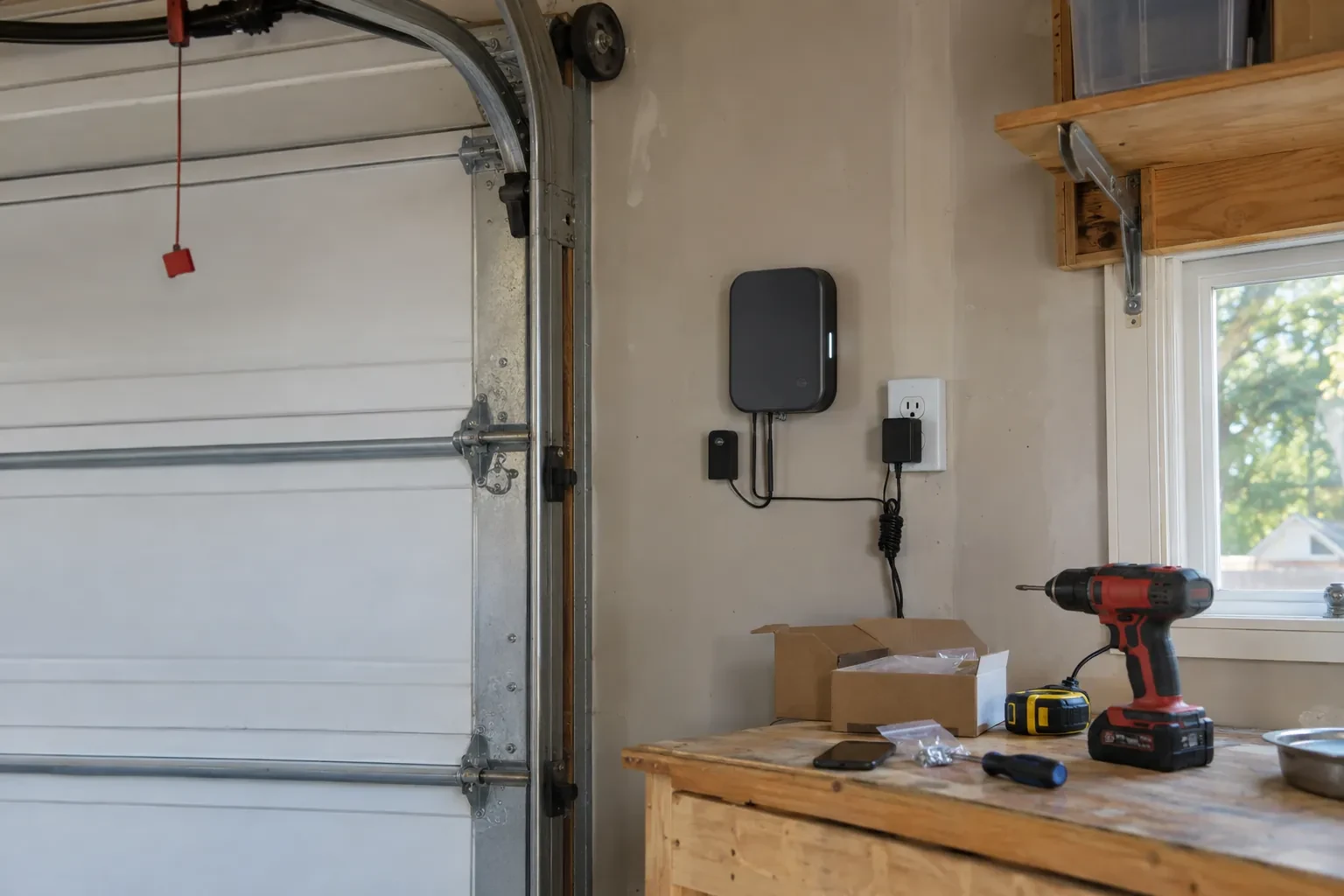
With the door balanced, the opener comes back into service. The trolley is re-engaged, power is restored and the door is run open and closed under motor. Travel limits are adjusted so the door seals at the floor and stops at the right height, and force settings are set to the light load a balanced door presents. The technician then places an object flat on the floor in the door's path and confirms the door reverses on contact, and passes a hand through the photo-eye beam to confirm the door reverses again. These checks close the visit on a working, safe system.
Using the manual release with confidence
A balanced door is also a door you can operate safely by hand when the power is out. Pull the red release cord with the door closed to free the trolley, then lift the door with both hands on the handle or the bottom section; it should rise smoothly and stay open at full height. To re-engage, pull the cord toward the door until the trolley clicks back onto the carriage, or simply run the opener, which reconnects on most models. Because the spring now carries the weight, this is light work, and it is the recommended way to get a vehicle out during an outage.
Torsion Spring Replacement
In the van
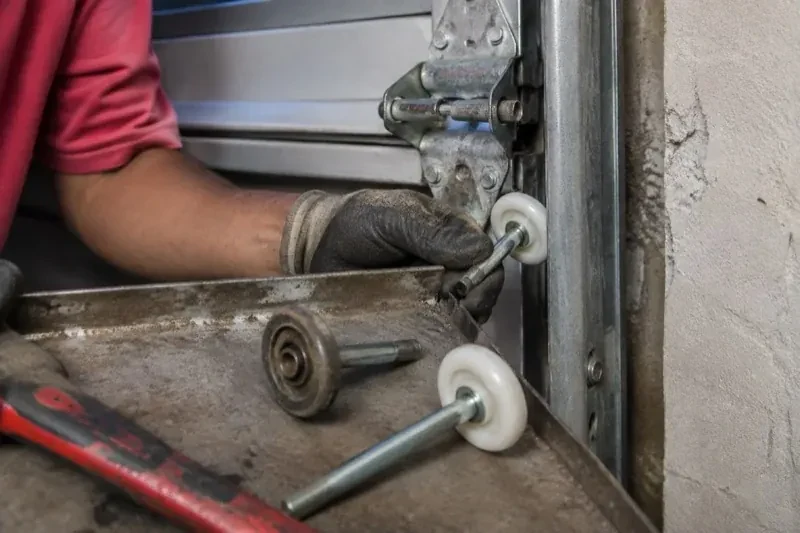
Locking pliers for the track
Centre bearing bracket and bearing
Garage-door spring lubricant
Stationary cone bolts and nuts
Torsion springs, oil-tempered or galvanized
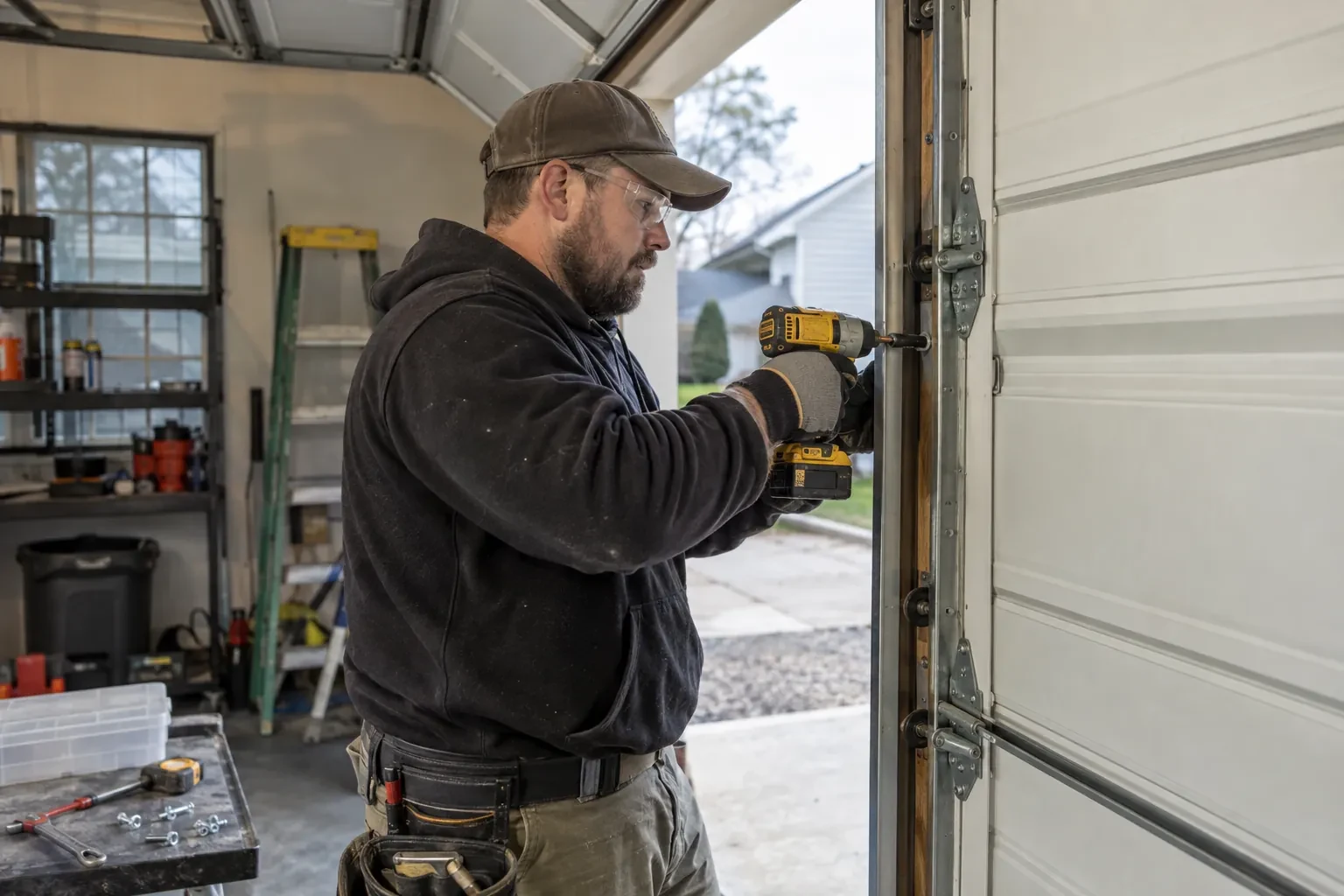
Torsion Spring Replacement
What affects the quote
One spring or two
A single-spring door needs one spring; a paired system is usually replaced as a matched set of left- and right-wound springs. The number of springs and whether both are replaced is the largest single influence on the scope.
Drum type and lift configuration
Standard-lift drums are the common case. High-lift, vertical-lift or low-headroom arrangements use different drums, cable lengths and turn counts, which changes the parts and the time involved.
Condition of the lift cables
Cables that show fraying, rust or a kink at the bottom brackets are replaced so the new spring pulls on sound steel. Two good cables mean this item stays off the list.
What to have ready
- Can you send a photo of the spring area and the opener?
- How many springs are mounted above the door, one or two?
- About how many times a day does the door open and close?
Torsion Spring Replacement: questions
QuestionsWhat happens if the header wood or centre bracket is damaged?
The centre bracket anchors the spring's reaction force to the framing above the door, so it has to be solid. If the header has split or softened, or the lag bolts have pulled, the technician can refasten into sound wood, add a reinforcing plate or replace the bracket before the new spring is wound. Dealing with this first keeps the shaft level and the spring pulling straight, which protects the bearings and the door.
What is the difference between galvanized and oil-tempered springs?
Oil-tempered springs are the traditional dark grey or black coil; they hold their tension well over time and are widely used. Galvanized springs have a zinc coating that resists rust, which is useful in damp garages, though they tend to relax slightly and may need a small adjustment after settling in. Both are available in standard and high-cycle ratings, and the technician can explain which suits your garage.
Can extension springs be converted to a torsion system?
In many garages, yes. A conversion adds a shaft, centre and end bearings, drums and torsion springs above the opening and removes the extension springs and pulleys from beside the tracks. It needs enough headroom above the door for the shaft and solid framing for the centre bracket. The technician measures the space and the door before recommending it, and the result is smoother, more even lifting with hardware kept clear of the sides.
Related services
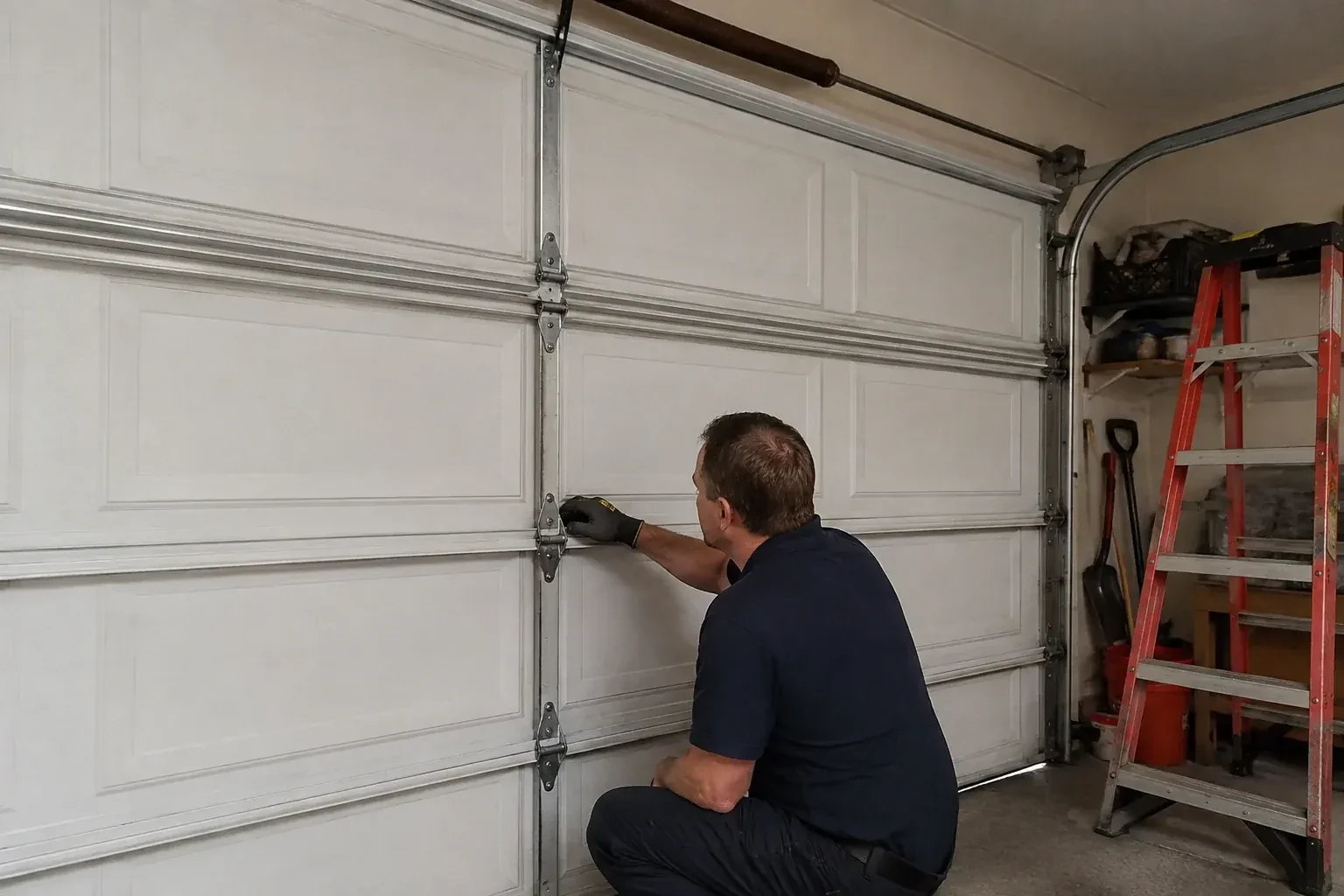
- Garage Door Hinge ReplacementOn the old wood door, one hinge has pulled away from the panel, dragging a screw and a chunk of soft timber with it.
- Garage Door Track Repair or ReplacementBacking out this morning, the mirror caught the track beside the door.
- Garage Door Cable ReplacementSomeone left the snow shovel leaning in the opening and the door came down on it.