Springs · Victoria Village
Garage Door Cable Replacement in Victoria Village
Someone left the snow shovel leaning in the opening and the door came down on it.
In plain words
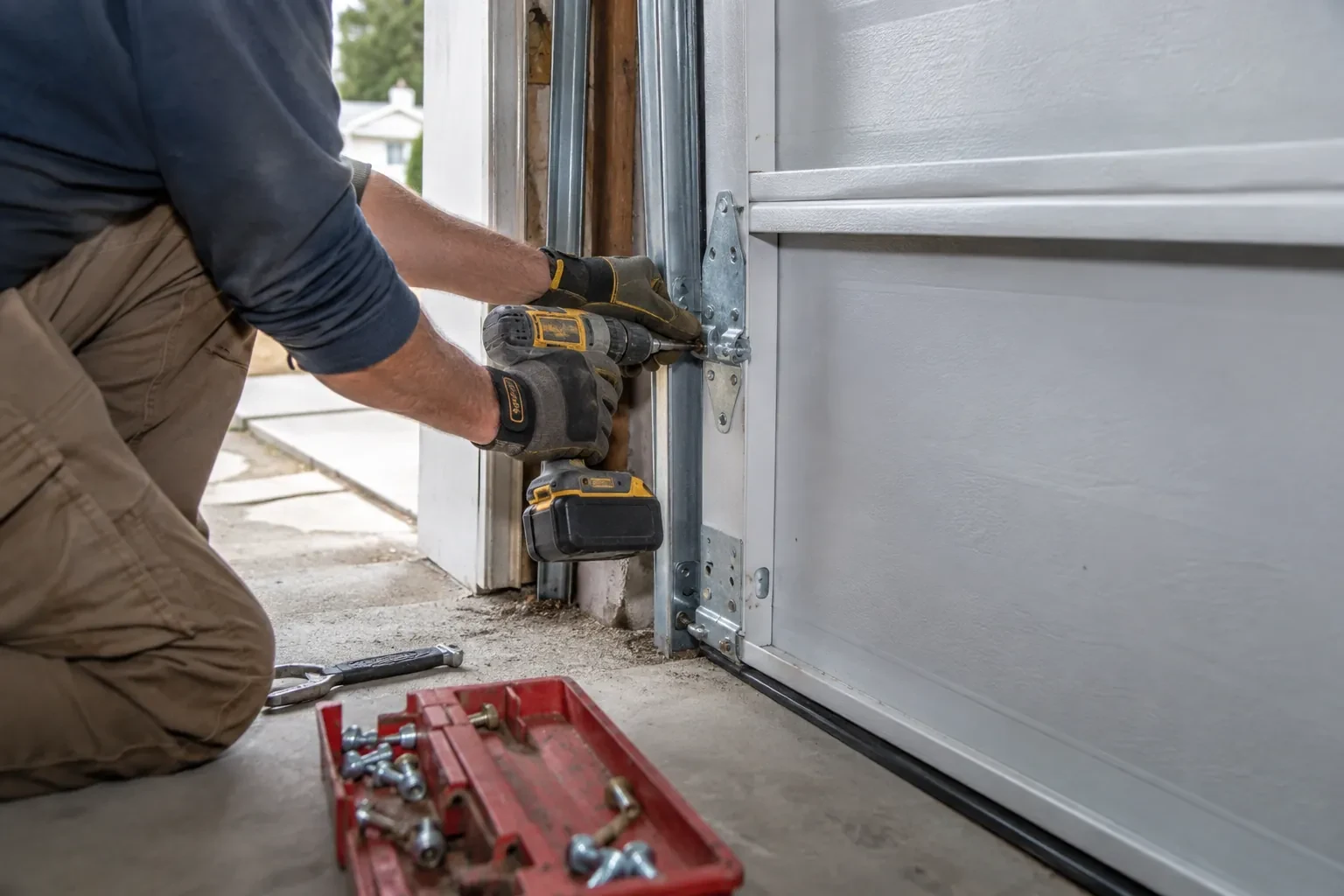
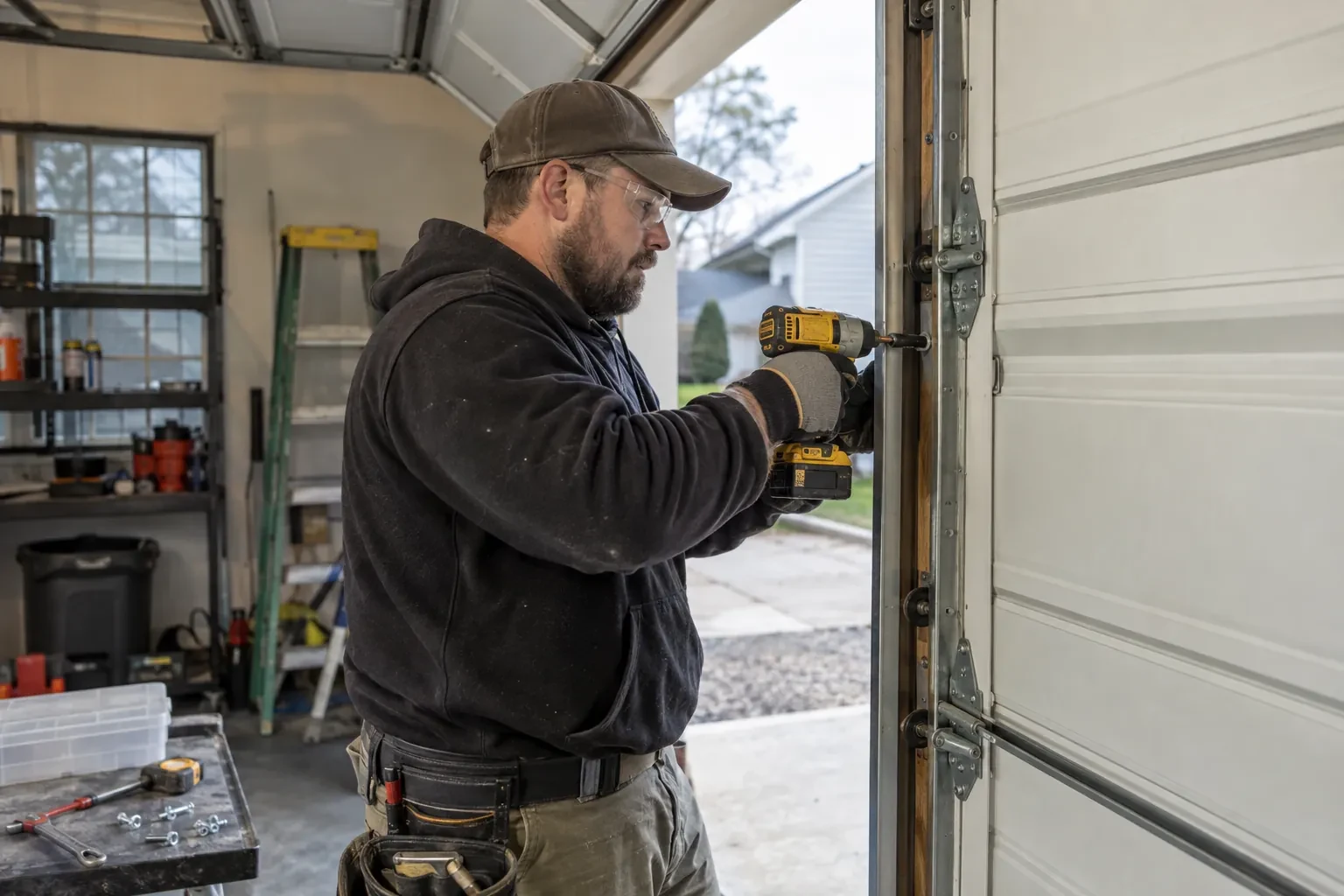
A cable visit runs in a set order. First the opener is disconnected and the door clamped so nothing can move. Then the counterbalance is unloaded so the drums, cables and bottom brackets can be handled calmly. The old cables come off, the drums and brackets are inspected, and new cables of the correct specification go on. Both sides are tensioned evenly until the door sits level, then the springs are wound back to the turns the door height calls for. Finally the door is balanced by hand, the opener reconnected and its travel and reversing checked. You are shown the finished door working before the technician leaves.
How the visit goesAfter years of slushy winters the cables look thinner near the bottom brackets, with rust streaks running down the door where they attach. The door still works, but the frayed wires catch your glove when you brush past.
Garage Door Cable Replacement
How the visit goes
Making the door safe to work on
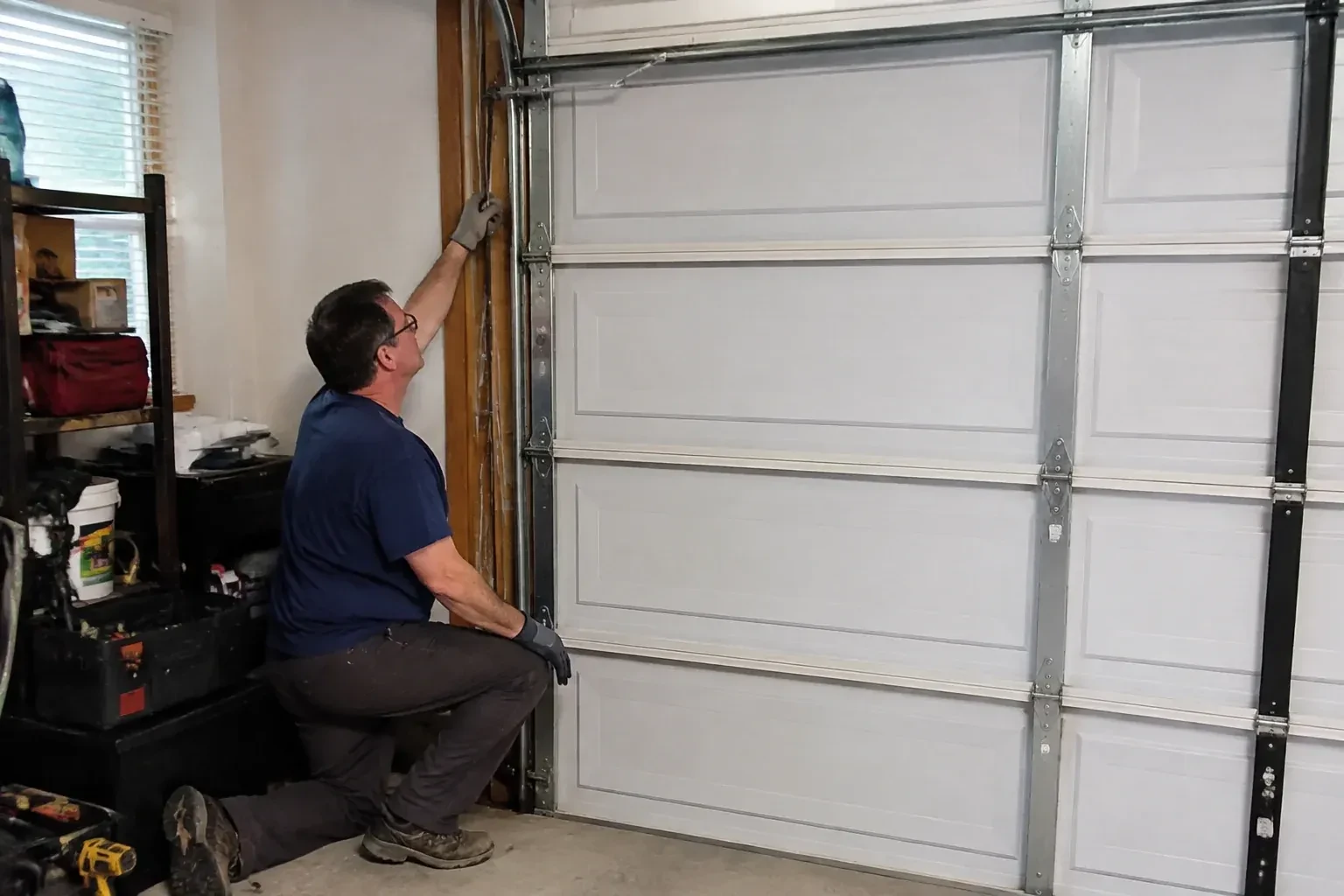
Nothing is touched until the door cannot move. The technician pulls the opener's release cord so the motor is out of the picture, clears the opening, and clamps the track just above a roller or props the door if it is jammed partway. If one cable has let go, the door is probably tipped and binding in the track, with its weight resting unevenly on the remaining cable and spring, so the first job is to take that weight on clamps or a support. Only then does the assessment of drums, springs and brackets begin. This step is calm and deliberate, and it is what allows every later step to be done with both hands.
Taking the tension off the springs
With the door clamped and the opener disconnected, the technician unloads the torsion springs. Two solid winding bars sized to the cone holes are used in turn: one holds the cone while the set screws are loosened, then the spring is let down a quarter turn at a time, bar over bar, until the coil is relaxed and the shaft turns freely. Every turn released is counted, because the same number goes back on later. On an extension door the technician instead raises the door fully and clamps it, which lets the springs hang slack. Once the tension is off, cables, drums and brackets can be handled like any other hardware.
A clear threshold
Most cables that jump their drums do so because the door came down on something. Keep the opening clear of bins, bikes and the snow shovel, and in winter clear the ridge of packed snow and ice that forms at the threshold before running the door. If the door does meet an obstruction and stops, leave it where it is rather than pressing the button again, since a second attempt is what turns a slack cable into a tangled one. The photo eyes near the floor should be clean and aligned so they catch anything in the path; a wipe with a soft cloth each season keeps them working.
Garage Door Cable Replacement
In the van
Drum set screws
Track clamps or locking pliers
Torsion springs and winding cones
Winding bars
Extension-spring pulleys and sheave forks
Garage Door Cable Replacement
What affects the quote
How the door is sitting
A door resting closed is simpler than one wedged crooked in the opening or off its track, which has to be supported and straightened before the cables can be handled.
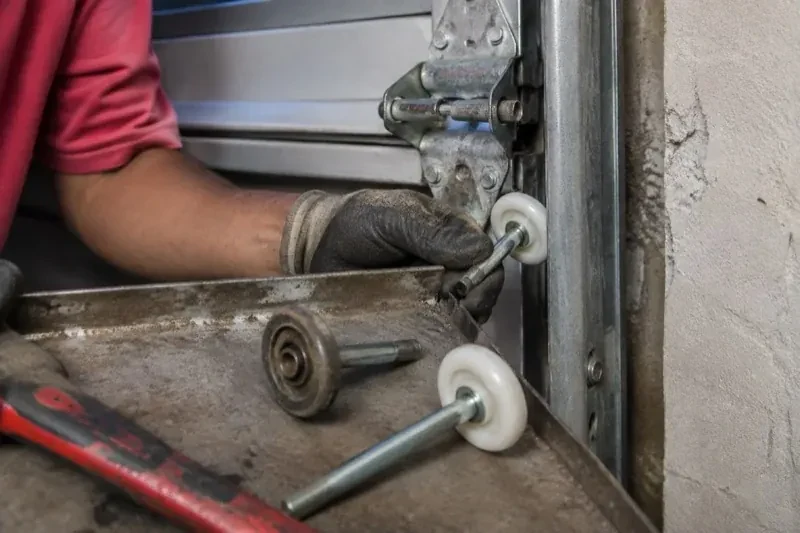
Worn rollers and hinges found on the way
Cracked roller wheels or split hinges seen during the inspection are pointed out and offered as optional items, since replacing them while the door is unloaded is efficient.
Springs found weak or broken
If the inspection shows a spring that is broken, stretched or wound short, replacing it is explained and priced separately from the cable work, and the two are done in one visit if you agree.
What to have ready
- Is it a single or a double door, and roughly how tall?
- Is the door closed, fully open, or stuck partway?
- Is there rust on the cables or brackets near the floor?
Garage Door Cable Replacement: questions
QuestionsCan a cable be too long or too short for the door?
Yes, and both cause trouble. A cable that is too long runs out of drum groove and starts a second layer over the first, which wears it and throws the balance off near the top of travel. A cable that is too short leaves the door hanging out of level or the drum without a secure wrap. The correct length comes from the door height, the drum and the lift type, so the technician measures rather than guesses.
How do I tell a cable problem from a spring problem?
Look above the door with it closed. A torsion spring that has broken shows a clear gap in the coil, and both cables usually go slack together because nothing is turning the shaft. A cable problem tends to show on one side only: a frayed length, a coil of loose cable, or one corner sitting higher. Either way the technician inspects both, since a weak spring is a common reason a cable fails.
What is the cable drum, and when does it need replacing too?
The drum is the grooved wheel on each end of the torsion shaft that the cable winds onto as the door opens. Its grooves guide the cable in a single layer and its shape sets how the door is balanced through its travel. A drum is replaced when the grooves are worn or cracked, the cable slot is damaged, or it has spun on the shaft and scored it. Drums are changed in pairs.
Related services
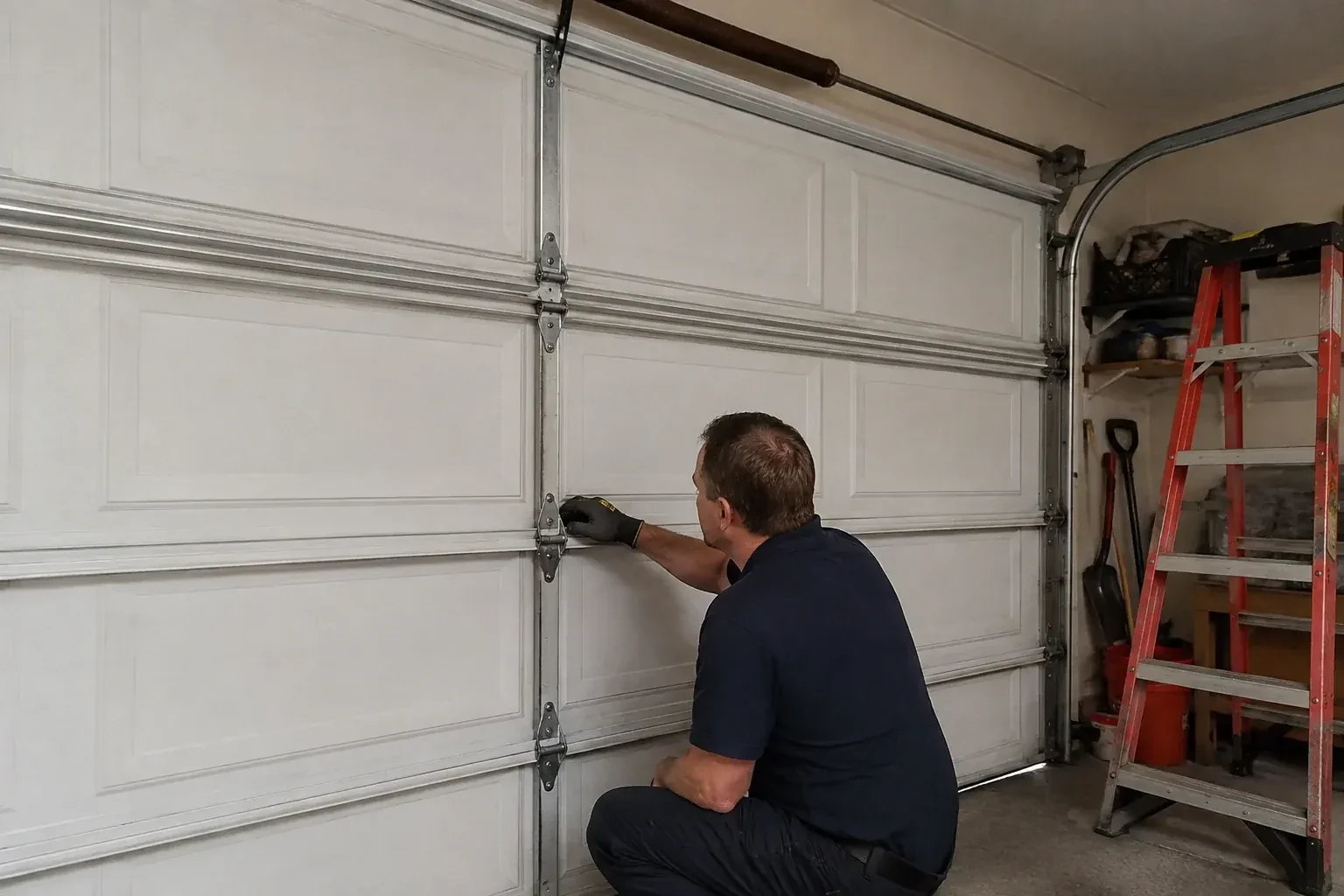
- Garage Door Hinge ReplacementOn the old wood door, one hinge has pulled away from the panel, dragging a screw and a chunk of soft timber with it.
- Garage Door Track Repair or ReplacementBacking out this morning, the mirror caught the track beside the door.
- Torsion Spring ReplacementYou heard a sharp bang from the garage, and now the opener hums for a second and gives up.