Springs · Don Mills
Garage Door Cable Replacement in Don Mills
Someone left the snow shovel leaning in the opening and the door came down on it.
In plain words
Cables are replaced as a pair, and there is a practical reason. Both went on the door together, have made the same number of trips and have sat in the same slush, so when one fails the other is close behind. A new cable beside a stretched one also pulls the door slightly out of level. Fitting two matched cables of the same length and construction lets the technician set the door dead level, tension both sides equally and leave a counterbalance that shares the work evenly for years. It also means one visit rather than two.
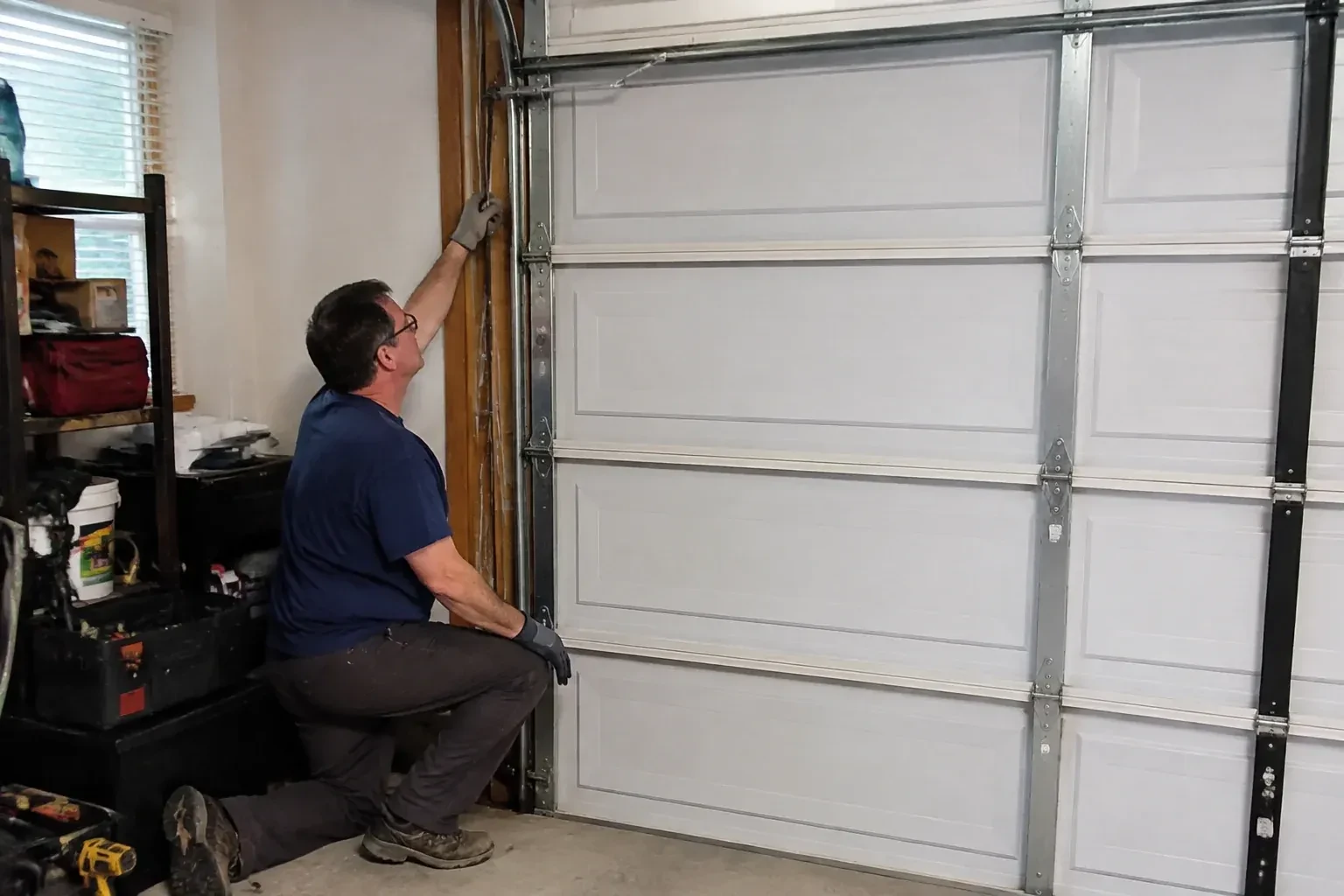
How the visit goesThe cable has wrapped itself around the shaft above the door instead of sitting on its drum. When the opener runs, the door lurches, one side rises before the other, and the top panel twists.
Garage Door Cable Replacement
How the visit goes
Torsion or extension, and which lift
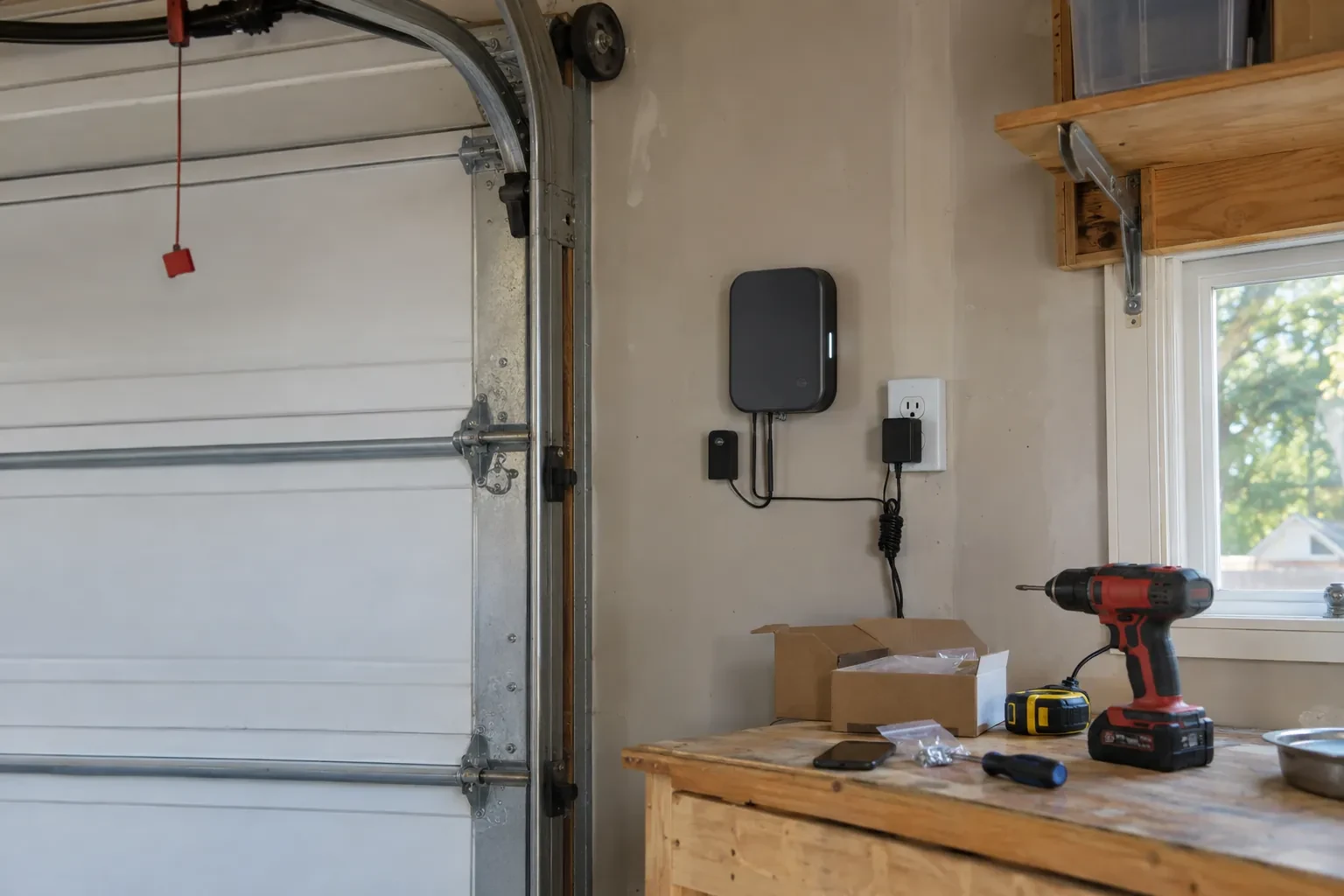
The technician identifies the counterbalance before choosing parts. A shaft with drums above the header means a torsion system; springs stretched beside the horizontal tracks with pulleys mean extension. Then the lift type: standard lift on most attached garages, low headroom hardware where the ceiling is tight, and high lift where the door climbs well above the opening before turning. Each uses a different drum profile and a different cable length, and a double door of the same height may need a heavier cable than a single. Reading these details correctly is what makes the replacement cable wind evenly on the drum instead of overlapping.
Balance, travel and the opener
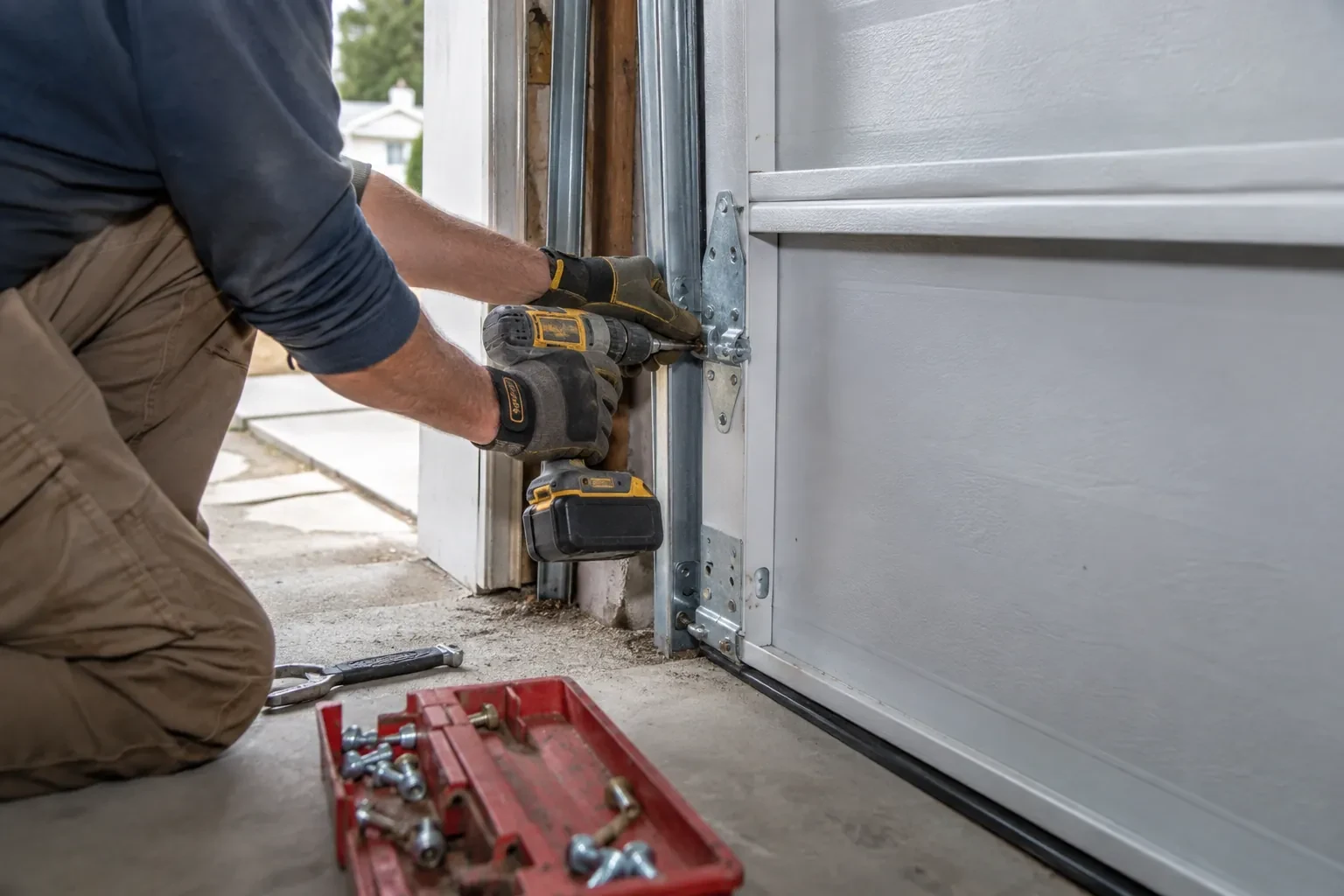
With the springs wound and the clamps off, the technician lifts the door by hand. It should rise with light effort, hold still at roughly waist height, and settle to the floor without slamming; that is the balance test, and the spring turns are adjusted until it passes. The door is run through several full cycles by hand while the cables are watched on the drums. Then the opener is reconnected, its travel limits and force settings are checked against the newly balanced door, and the reversing test with a block under the door and the photo-eye test are carried out. You see each of these done.
Cables and springs on the same clock
Cables and springs age together, and your new cables now have a head start on the springs that remain. If the springs were assessed and left in place, you have a rough idea of the cycles they have left, and the sensible plan is to have them changed as a pair before they break, at which point the cables are checked again and simply re-tensioned. A door that starts to feel heavy, a spring that has gone quiet and then begins to creak, or a gap appearing in the coil are the signs to act on. Handled this way, the counterbalance is renewed in planned visits rather than on a difficult morning.
Garage Door Cable Replacement
In the van
Drum set screws
Track clamps or locking pliers
Torsion springs and winding cones
Winding bars
Extension-spring pulleys and sheave forks
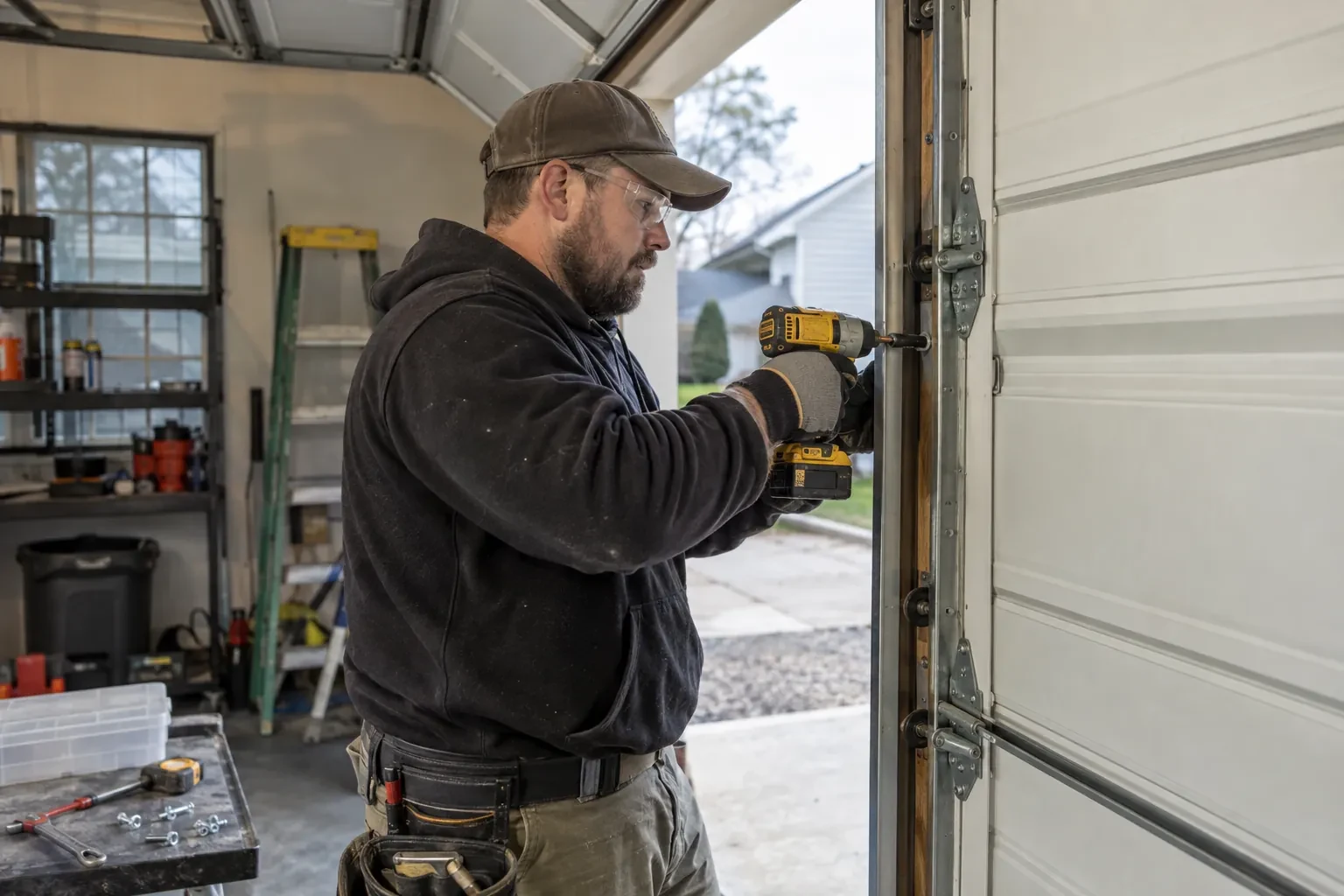
Garage Door Cable Replacement
What affects the quote
Extension-spring pulleys and containment cables
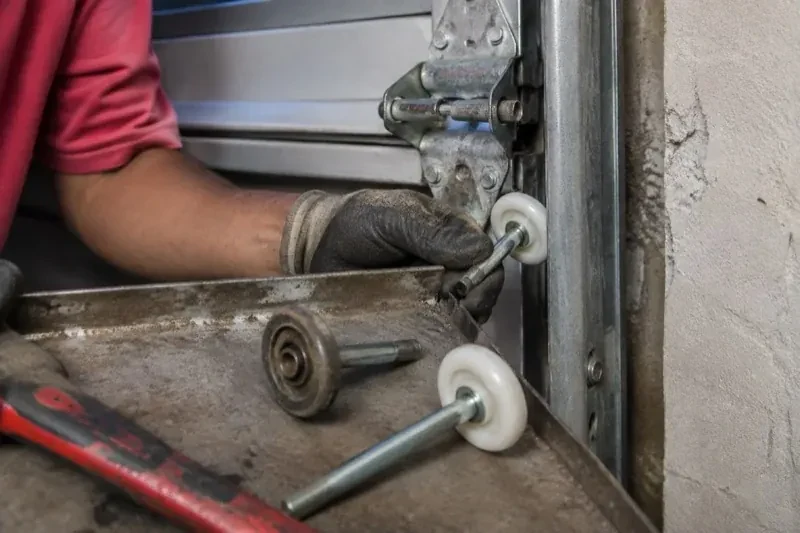
On an extension door, pulleys with grooved wheels or seized bearings are replaced with the cable, and a containment cable is added where one is missing. Each is a small parts line.
Door weight and width
A heavy insulated double door needs a heavier cable and sometimes different drums than a light single, and the springs behind it take longer to wind down and back up.
How the door is sitting
A door resting closed is simpler than one wedged crooked in the opening or off its track, which has to be supported and straightened before the cables can be handled.
What to have ready
- Is anything stored close to the door or under the spring shaft?
- When were the springs last replaced, if you know?
- Is the door closed, fully open, or stuck partway?
Garage Door Cable Replacement: questions
QuestionsCan a cable be too long or too short for the door?
Yes, and both cause trouble. A cable that is too long runs out of drum groove and starts a second layer over the first, which wears it and throws the balance off near the top of travel. A cable that is too short leaves the door hanging out of level or the drum without a secure wrap. The correct length comes from the door height, the drum and the lift type, so the technician measures rather than guesses.
How do I tell a cable problem from a spring problem?
Look above the door with it closed. A torsion spring that has broken shows a clear gap in the coil, and both cables usually go slack together because nothing is turning the shaft. A cable problem tends to show on one side only: a frayed length, a coil of loose cable, or one corner sitting higher. Either way the technician inspects both, since a weak spring is a common reason a cable fails.
What is the cable drum, and when does it need replacing too?
The drum is the grooved wheel on each end of the torsion shaft that the cable winds onto as the door opens. Its grooves guide the cable in a single layer and its shape sets how the door is balanced through its travel. A drum is replaced when the grooves are worn or cracked, the cable slot is damaged, or it has spun on the shaft and scored it. Drums are changed in pairs.
Related services
- Garage Door Hinge ReplacementOn the old wood door, one hinge has pulled away from the panel, dragging a screw and a chunk of soft timber with it.
- Garage Door Track Repair or ReplacementBacking out this morning, the mirror caught the track beside the door.
- Torsion Spring ReplacementYou heard a sharp bang from the garage, and now the opener hums for a second and gives up.